

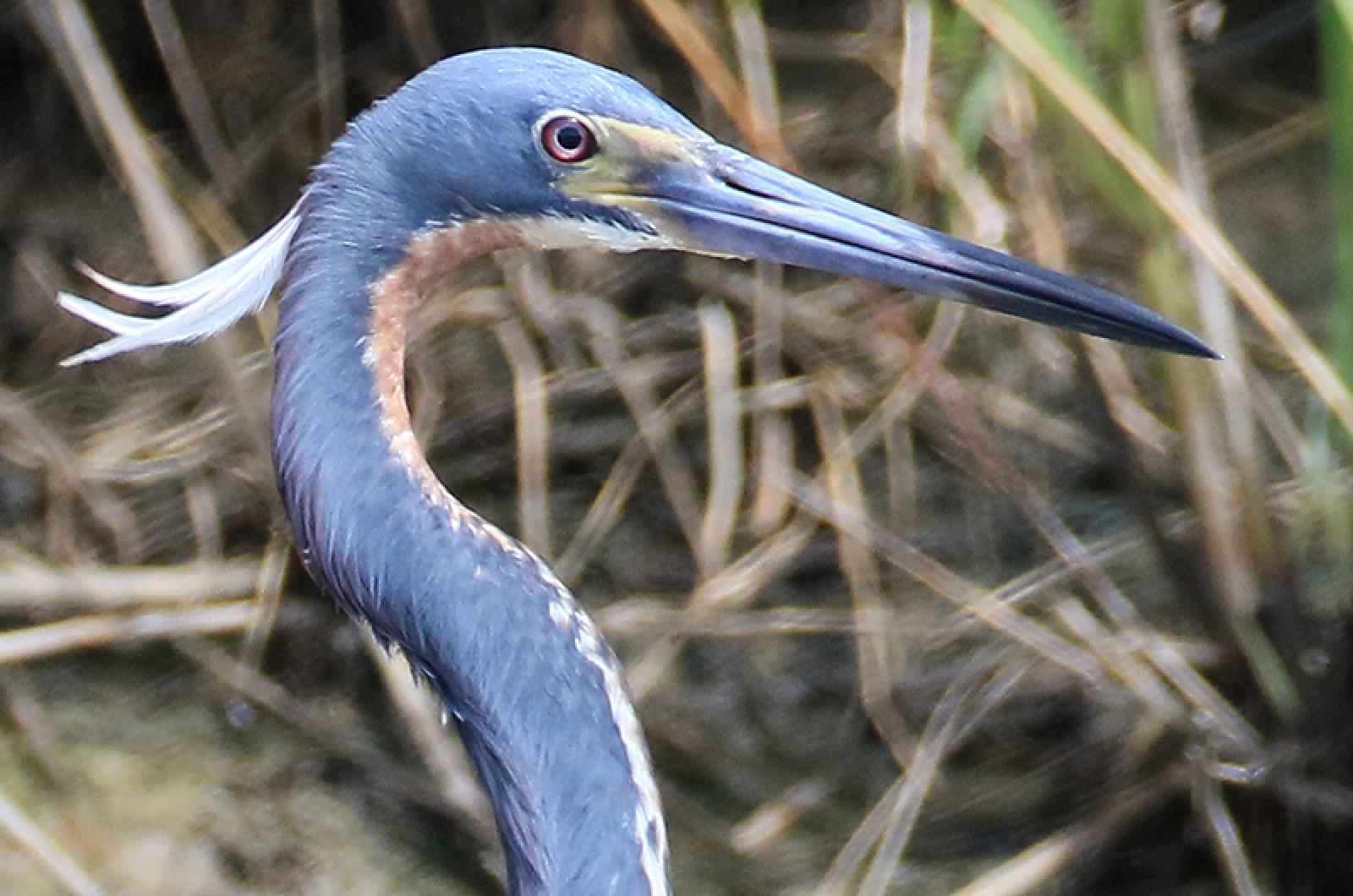
Bird News
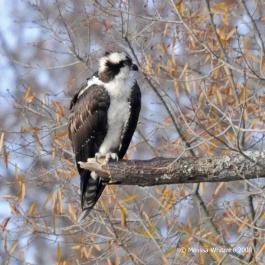
Soo Whiting, on her annual southbound migration, asked me to fill in for this week’s Bird News column. While Soo and Flip Harrington are navigating their way to Florida, it seems a perfect time to wrap up the story of this year’s osprey migration.

Bonaparte’s gulls are some of my favorite birds. These birds, unlike their larger cousins, are a delicate small gull, found in the harbors and close to shore in Vineyard and Nantucket sounds and off South Beach. The best place to see the Boneys, as these gulls are called, is along the sea wall in Vineyard Haven harbor. Look for a small grey gull with a very white band on the leading edge of its wings. Sporting a very petite black bill and a black dot behind his eye, the bird is hard to miss.

There has been a fallout of snowy owls on the Vineyard. It all started on Nov. 7 when one was spotted in the Squibnocket area. Now there have been sightings of this large and powerful white owl in Chilmark, West Tisbury, Edgartown and Chappaquiddick. Gus Ben David and I figure there have to be at least two different snowy owls on the Vineyard and possibly three.
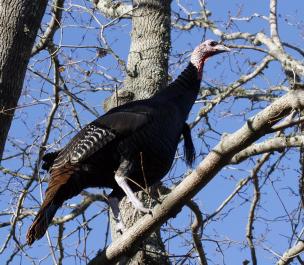
Turkeys were in the news quite a bit this summer, and they have been in many stomachs recently.

The Intracoastal Waterway (ICW), inland waterway, or the Ditch, as it is also known, is an incredible piece of water. It offers the boater, whether by sail, paddle, oars or motor, a fascinating peek into the history and natural history of the Eastern Seaboard. The ICW doesn’t officially start (mile marker number one) until Norfolk, Va., and ends in Key West, Fla. (mile marker 1241). However, many seamen believe it starts at Cape Ann and goes to Brownsville, Tex.
November is the season for a suite of visitors I call the open-country birds. This is a diverse group of species connected not by taxonomy or point of origin, but rather by migratory habits, a tendency to flock in winter, and a preference for austere habitats like beaches, grassland, and large pastures. While some of these species are easy to find and identify, others are wary and hence typically seen at a distance; to recognize them, a birder needs sharp eyes and ears and the ability to note subtle field marks at a long range.