

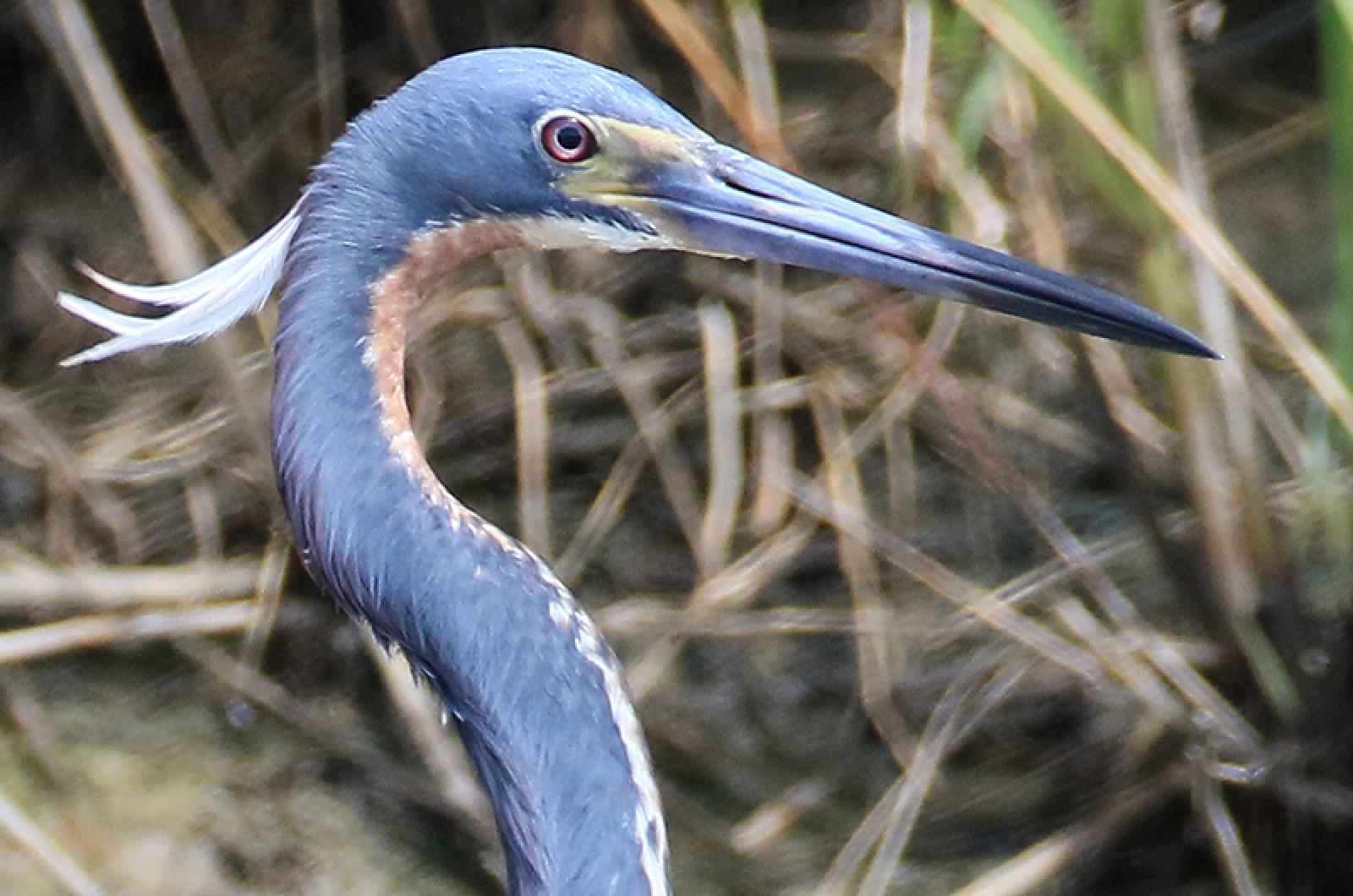
Bird News

The sighting of short-eared owls at both Wasque and Katama in the last two weeks is exciting. This owl used to breed on the Vineyard in the 1980s but verification of its breeding on Island has not been possible since 1986. One wonders why. Is it lack of food, climate change, habitat loss, predation or disease? I don’t have the answer but would wager it is not due to lack of food. Short-eared owls love voles, mice, small birds and rabbits. If mice can find their way into our barns, sheds and houses, there probably is a sufficient supply to feed an owl or two. If the owls can’t find the mice we have plenty of rabbits too!
Wow, how time flies! Once again it is time to start planning for the 50th annual Christmas Bird Count, which will be held on Sunday, Jan. 3, 2010.
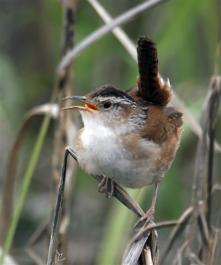
There is an idiom we are all familiar with: eating crow. I was curious as to the derivation of such an unusual phrase. Wikipedia suggests the exact origin is unknown. The Wikipedia entry goes on, however, to suggest a couple of possible explanations. First, the phrase was originally “to eat boiled crow.” The bit that followed was my favorite, however: Wikipedia figured it might be similar to “eating humble pie,” an English phrase that was something of a pun — “umbles” were intestines or less valued meats of the deer. People of lower classes than the kings, lords or governors were served pies made of these “umbles” (humble pie). These lower class folks were also served rook (a crow’s cousin) pie.
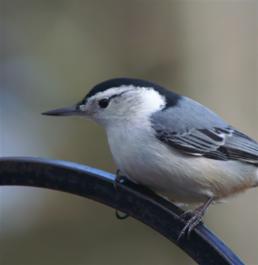
Wow, I can’t remember such a colorful fall. The bright birds may have gone south, but the vegetation is filling in for the missing hues. The riot of color is incredible: golden yellow of sassafras, duller yellow tinged with brown of the horsechestnuts, purpley-red of sumacs, reds of swamp maples and Virginia creeper and mottled browns, greens and yellows of our oaks. Throw into the mix the greens of pitch and white pine and cedars (really junipers) and we have a spectacular array of colors.
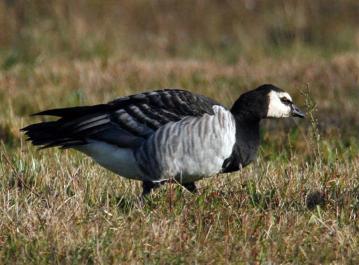
Fall storms can raise havoc in harbors as well as on land. The winds of these tempests can bring back birds that have tried to migrate south. This is a treat for birders, but for the birds, not so great. Imagine flying hard to get as far as the Carolinas or Florida just to be blown back from whence you came.
It is the changing of the guard so to speak. The double-crested cormorants are joining up in long skeins and moving south. The greater cormorants are arriving from the north. When the two species of cormorants are sitting on the same rock, it is obvious which is which. The greater is greater — weighing almost twice as much as the double-crested and having a wing span of 11 inches more than its cousin. Standing upright, the greater cormorant is three inches taller than the double-crested and has a heavier bill.