

Bird News
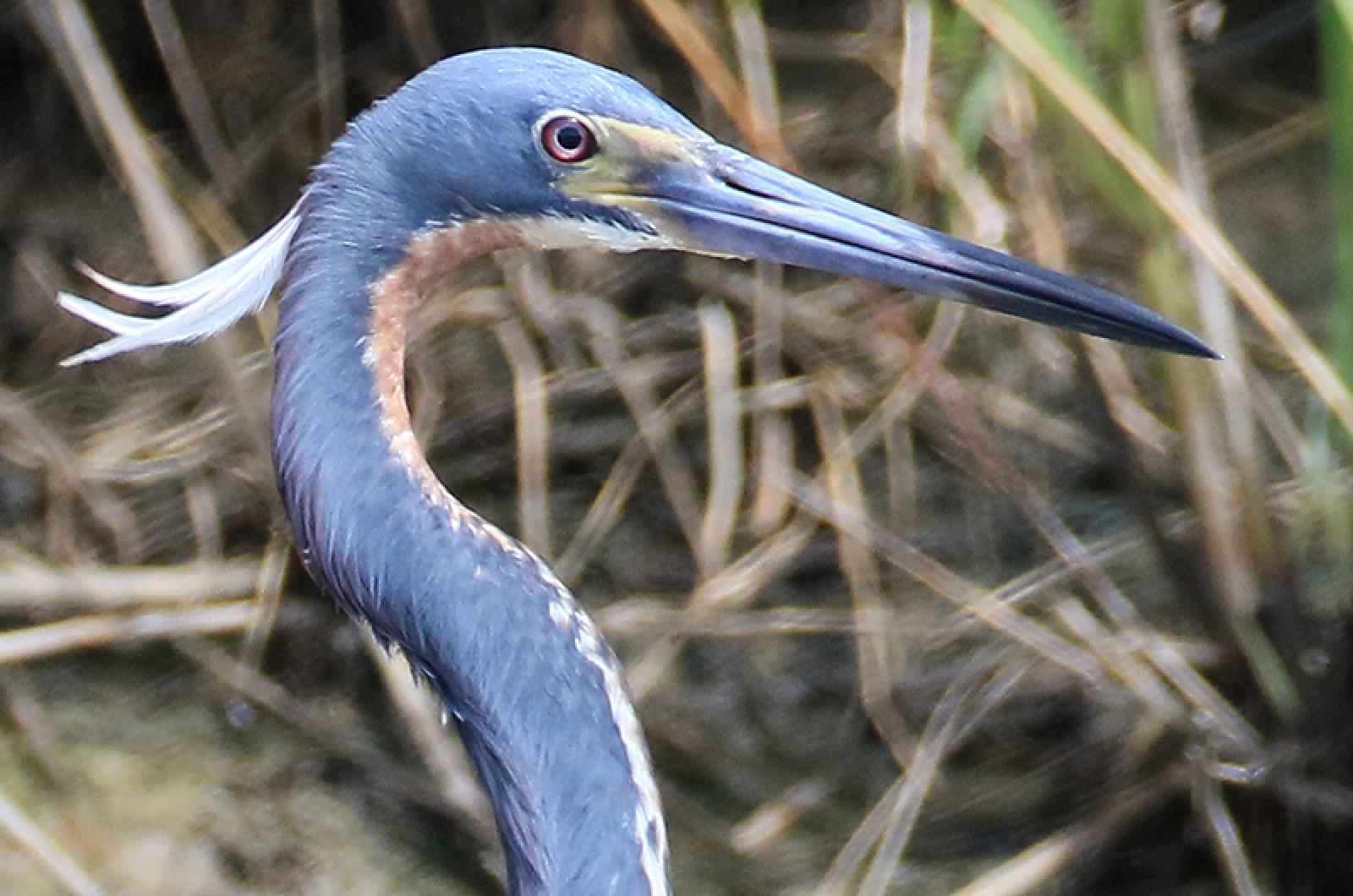
Lanny McDowell, famed artist and photographer, whose photographs of birds have graced the pages of the Vineyard Gazette, and in particular the Bird News, is in the hospital in Tucson, Ariz. Lan suffered an abdominal aneurism, from which few survive, while birding in the mountains of Arizona with birding friend Porter Turnbull. Lanny is a survivor. His experience is similar to that of the Vineyard’s ospreys. Close to extinction, the ospreys rebounded thanks to the efforts of a team of Vineyarders who erected osprey poles and scientists who helped ban the use of DDT.
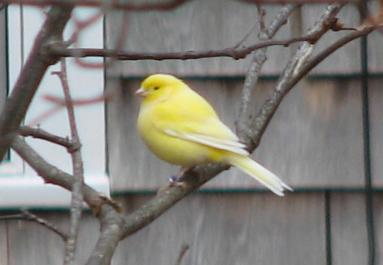
Yellow seems to be the color of the week, with two reports of unusual yellow birds.
On Monday I got an e-mail from Sue Hruby, reporting a yellowish bird bigger than a tufted titmouse that showed up at her West Tisbury feeder early on April 26. She correctly identified the bird as a western tanager, noting that the red was clearly visible, but not bright. She also took some photos of the bird, so it was easy to confirm the identification.
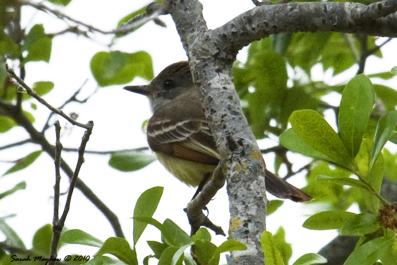
The last field trip of the season for Martin County Audubon, how could we miss it? It would be kind of tough when they asked us to present a program introducing it. So I put together a presentation of Warblers on the Move for the Audubon Society of Stuart, Fla. I never could have done it without the use of Lanny McDowell’s fabulous photographs! I added a few of my own and a few of Nancy Price’s — a Stuart naturalist.
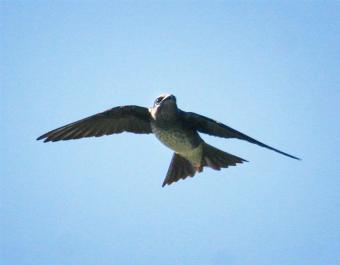
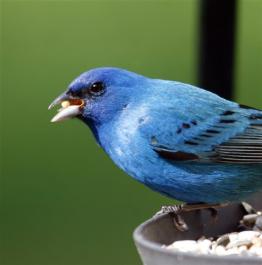
The bird of the week is a purple martin. The largest of North America’s swallows, this glossy blue black martin is a casual visitor to the Vineyard, and then only in very small numbers. The Vineyard has not been able to lure the purple martins into staying and breeding on the Vineyard for the past 24 years. This seems strange to folks further south as practically all you have to do is put up a gourd or two and the martin will nest right next to your house or busy street.

What is going on? This week I’ve received reports of spring migrants arriving on the Island well ahead of schedule. It is amazing after a relatively harsh winter. I hate to mention global warming, but it seems the movement of birds, flowering of plants, hatching of insects and frog choruses are starting earlier.
Ospreys or fish hawks used to be very common along the shores of the mainland. Matter of fact, I recently heard that Buzzard’s Bay was so named due to the large number of ospreys found there. It appears that the less ornithologically inclined colonialists called ospreys buzzards in the 1600s. Probably several thousand ospreys summered along the south coast of Massachusetts when the first settlers arrived. The Birds of Massachusetts (Veit and Petersen) states that there were one thousand pair counted along the shore from Connecticut and Long Island to the Cape and Islands in 1940.