


In Vineyard Skies

Three planets are in the southeastern sky before sunrise, although only for a short time. The planets are Venus, Saturn and Mercury.
Mercury is the errant planet and will only be visible for the next week, possibly a little longer, before it drops back into the glare of the sun.
Most people can pick out Venus high in the east. It is the brightest planet in our sky and has been readily visible for months. Venus is in the southeastern sky before sunrise. The second brightest celestial object nearby is the ringed planet Saturn.
Tonight, look for a thin crescent moon in the southwestern sky soon after sunset. The moon is above the red planet Mars.
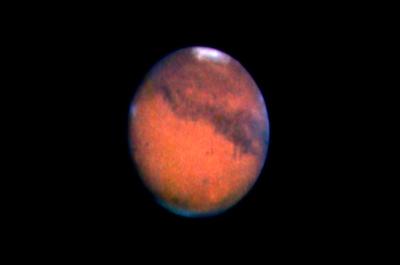
Remember last spring, when Mars was a brilliant red ruby in the sky? It has since lost its luster and is barely noticeable. But with the crescent moon an observer gets some help finding this faded red planet. Mars is under and slightly west of the moon.
The moon is slightly higher and farther south tomorrow night. Both Mars and the Moon are in the zodiacal constellation Sagittarius, one of the southernmost zodiac constellations.
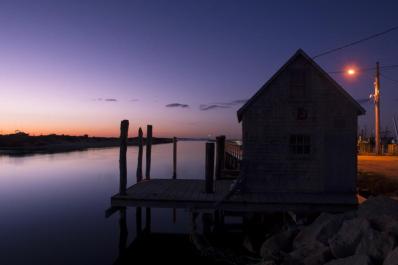
The best autumn starry nights are ahead; especially in the coming week when the moon is mostly out of the picture.
This is the time of year to get outside and gaze skyward, when we have the clarity of a winter sky and the comfort of autumn. It is not too cold yet. The Island has yet to experience tiger frost, the bitter cold night when nearly all the deciduous trees and many seasonal plants take a frosty hit.
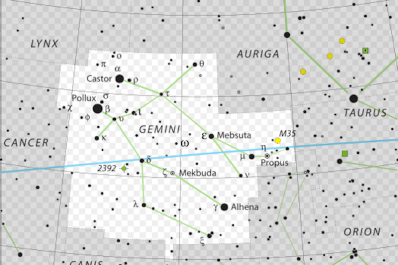
On Sunday night the moon rises late in the evening. It is in the zodiacal constellation Gemini, a constellation we most often associate with the cold nights of winter. The moon is gibbous and for the week ahead moves through other constellations of winter: Cancer and Leo.
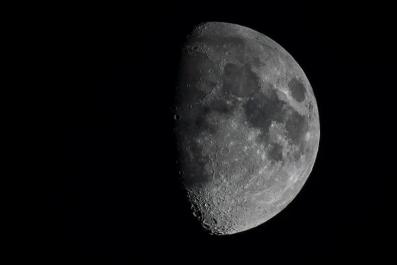
On Wednesday night everyone will be thinking of tricks and treats. On that night a one-day-old full Pumpkin Moon will grace the skies. This moon will be bright enough to cast shadows and contribute to the mystery and magic of the evening.
The moon will be in the zodiacal constellation Taurus, which means it is well placed in the zodiac to rise almost overhead late at night. Look for the moon rising in the east an hour or more after sunset. Look for a pumpkin orange color as it gets above the distant horizon.

A brilliant moon will dominate our evening skies in the week ahead. The month ends with a full moon. For the next week the gibbous moon moves through the zodiacal constellations Capricornus, where it is tonight. It moves onto Pisces, Aries and then finishes the month full in Taurus.
As the night sky shifts from summer to autumn and later winter, it is a good time to take note of the constellations overhead.