

Nature & Science
The Island fishing season arrives in June. There are enthusiasts who will go out in April or May and catch some nice fish, but they are only preparing for what happens in June.
The fields are blushing.
It is for good reason that the meadows are red-faced. Blame it on embarrassment, but more likely it is sorrel that is the cause. Red sorrel has created that crimson glow.
Red sorrel, also known as dock, sheep sorrel, cuckoo bread, sour weed and field sorrel, might be compared to a blushing bride. Its red stems and flowers color our late spring world.
But its presence indicates more than just a bit of self-consciousness.

As the story goes, the history of farming at Katama began in the first World War when Edgartown families planted army and navy beans deep in the rich soil there. Yet maps of the Island which date from 1862 show fences bordering the land, indicating that agricultural use of the land can be traced to an even earlier date.
They’re back, we hope. Within a week or two, the nymphs may emerge from the ground where they have hibernated for 17 years, occasionally sipping on water and other nutrients from the roots of trees and shrubs which they pierce with their beaks. The nymphs emerge from the ground, hatch into adults and start their mating cycle. “They” are periodical cicadas, the ones that make that high-pitched harsh squealing sound that can get on your nerves on warm early summer days.
By LYNNE IRONS
Since I write this column a week ahead, I am always a week behind. Now there is a statement describing my life. Nevertheless, I have a few offerings concerning Memorial Day. I guess memory might be the key word.
Friday, May 23: Partly sunny morning. Edgartown School students march to the sea in the afternoon under bright sunshine. Warm and breezy. Lilacs are in full bloom. Children toss flowers into the harbor as part of annual observance of Memorial Day weekend. Clouds increase. Light rain in the afternoon. Clearing late.
Almanac
A comprehensive guide to weather and tides on the Island.

Vineyard Gardener
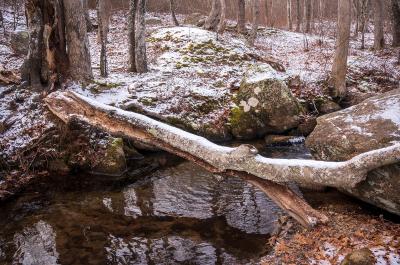
I guess this past week weather-wise is called a January thaw. We did not really experience it the last several years as December was unseasonably warm.
Farm & Field
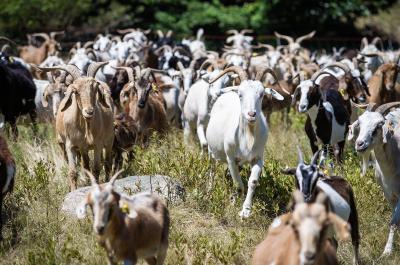
Beige and brown and tan and black, with horns spiraled or semicircular or in undulating waves, a legion of goats marched up the hill toward us, bleating in anticipation of fresh grass and leaves.