

Farm & Garden
By LYNNE IRONS
Two years ago this month, one of my young women workers got a reaction to a plant which sent her to the emergency room. She was told it was the worst chemical burn they had seen and was sent home with prescription burn cream and her arms wrapped from shoulder to wrist in bandages.
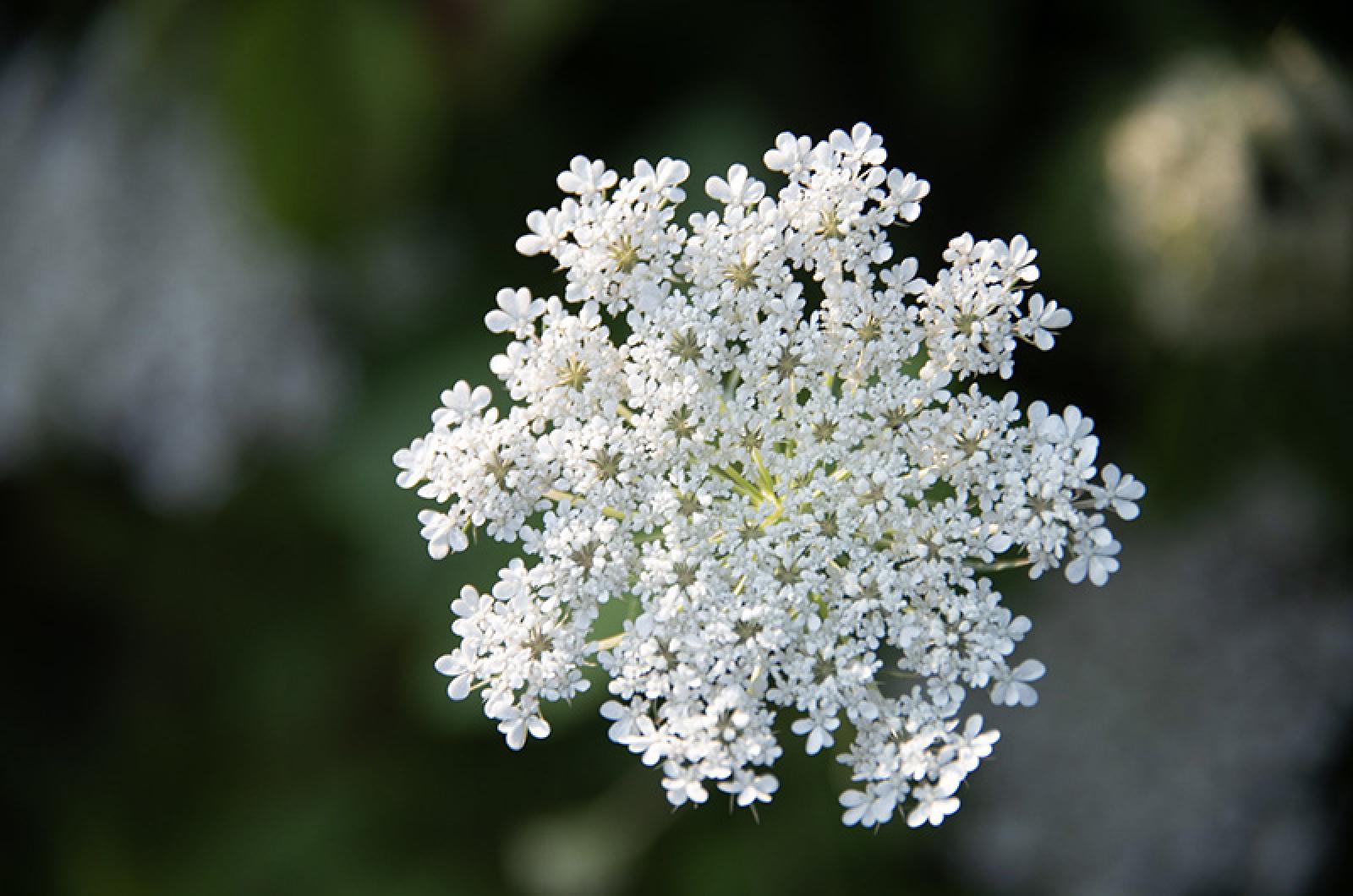
We got on the Google-machine and found that certain plants, called apiaceous, contain toxic chemicals. These furanocoumarins are absorbed by the skin when exposed to ultraviolet light and cause painful blistering or photo-dermatitis.

As entries pour in for the 148th annual Martha’s Vineyard Agricultural Society Livestock Show and Fair, poster competition winner Morgan Lucero is readying her autograph hand.
Ms. Lucero’s winning entry for the highly competitive contest is of a team of strapping oxen attached to a cart in the foreground of the agricultural hall.
“I was very excited, it felt like I’d won the lottery,” said Ms. Lucero yesterday, “It’s the little things in life, you know.”
By LYNNE IRONS
Is it the end of the world? Aside from the unusual weather, I had three experiences recently which have given me pause. I thought wild animals were supposed to be afraid of humans!
I keep pigs in an open area — so open, in fact, I needed to provide shade for them in the form of an enormous beach umbrella. In the last week or so, when I feed them, an inordinate number of seagulls show up and basically dive-bomb the pen. It is positively Hitchcockian.
By LYNNE IRONS

Late blight: the first part of the name given to the vicious plant disease that affects tomatoes and potatoes is somewhat misleading, at least this year.
Evidence of the fungus has never arrived so early in the season, nor has it ever been so widespread in the United States as it is now, according to the University of Massachusetts at Amherst vegetable program.
And Vineyard farmers, especially organic farmers, are on high alert.
By LYNNE IRONS