


Mark Alan Lovewell
Creating sanctuaries and aggressively managing the protection of juveniles are two of the low-cost ways towns can jump-start their bay scallop fishery, according to the results of a five-year study into how to promote the growth of bay scallops in local coastal ponds.
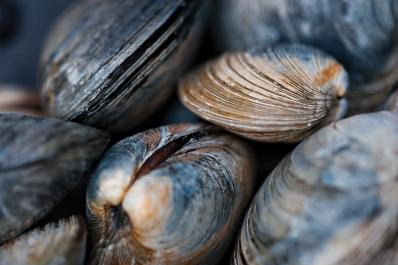
Summer shellfishermen will have access to Sengekontacket Pond for the first time in several years, so long as there isn’t a big rainstorm.
The State Division of Marine Fisheries has lifted the pond from a routine seasonal closure.
Sengekontacket Pond is overseen by the Edgartown and Oak Bluffs shellfish departments under the watchful eye of the state.
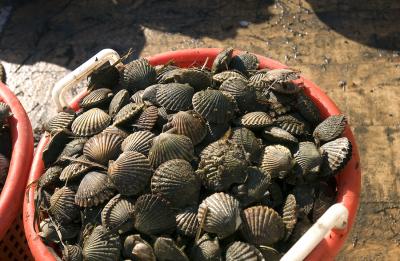
Though most towns in Massachusetts officially close the bay scallop season at the end of next week, Edgartown shellfishermen can keep going in what has been a banner season for them. With an abundance of bay scallops still out there, on Monday the Edgartown selectmen voted to add another month to the season.
“This season is the best in a while,” said Paul Bagnall, Edgartown shellfish constable. “It hasn’t been this good since the 1990s.
“The down side,” he added, “is the price paid to the fishermen.”

This year, the Farm Institute will lose two of its key leaders: brothers Rob and Matthew Goldfarb. Rob, development director, leaves today. Matthew, executive director, will depart at the end of this summer, after being at the reins for five years.
This week, the two sat down to talk about the Katama-based farm, its past and its future. For them, the Farm Institute is a classic community success story, with a beginning, a hardworking present and a future they feel will remain strong, well after their departure.
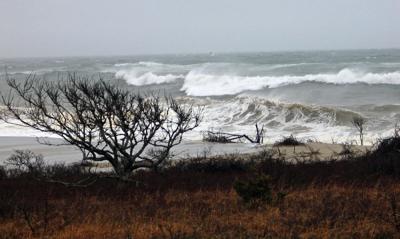
Three days of stormy weather last weekend took a toll on the Island’s vulnerable beaches. Gale force winds from the north and northeast kicked up seas all around the Island.
Wave action along the Joseph Sylvia State Beach filled the channel at the Little Bridge. Sea spray often showered on Seaview avenue in Oak Bluffs.
High tides and large seas rode into the sand dunes and cliffs at Squibnocket and Lucy Vincent Beaches, to surfers’ delight.
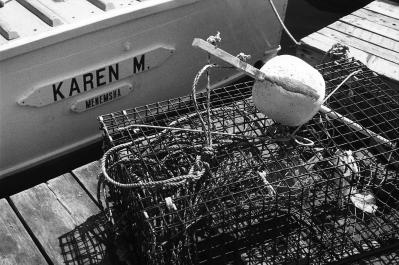
Martha’s Vineyard lobsters are scarce. More lobsters are landed by the Steamship Authority ferry Island Home from afar than by local lobstermen, and the prognosis is not good for the future for the whole region. From Chatham to as far south as North Carolina, the lobster fishery is in trouble.
The seafood consumer doesn’t have to worry. Lobsters are alive and well in local fish markets, because they come from up north.