Six weeks ago, as the oil giant BP sought to rehabilitate its reputation after the Gulf of Mexico oil spill, the company announced it would put $50
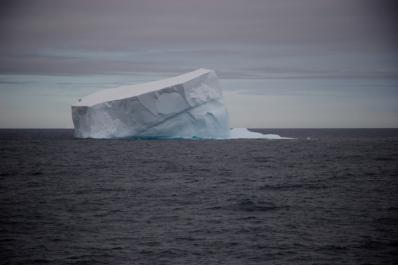
Think Antarctica and you think snow. A vast and unending, featureless panorama of it.
Andrew McDonnell, a PhD student at the Woods Hole Oceanographic Institution and MIT, traveled to the Palmer U.S. Research Station in Antarctica to see snow, but not on land. Instead Mr. McDonnell was interested in the timeless undersea blizzard of particulate matter known as marine snow, the ghostly detritus of animals that descends the water column, sometimes taking months to reach the bottom.
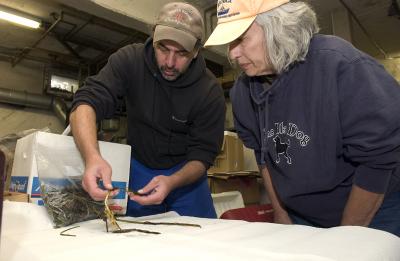
It sounds like a bad science fiction movie: a slime from outer space has reached the earth. It spreads underwater across the harbors and bays of a small Island community and eventually throughout the East Coast. The world’s top scientists gather to study and discuss the problem..
What it sounds like is nearly true in the waters along the eastern seaboard, only in this case the slime is believed to come from the Sea of Japan.
Understanding the relationships between the ocean and air is essential if weather forecasting in the future is to be more precise.
Construction crews are almost done erecting a large research tower nearly two miles south of the Vineyard.
For weeks, a well-lighted barge and tugboat have been involved in a large-scale project due south of Edgartown Great Pond. They've been assembling what will be an all-season steel tower loaded with instruments that will collect weather and ocean data. The tower will rise 68 feet above sea level when it is finished at the end of this week.