

Nature & Science
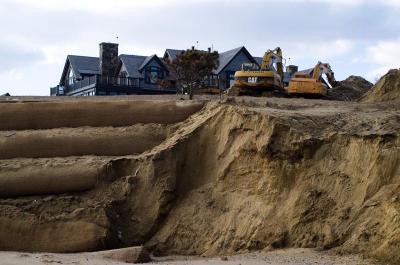
Wasque Point is a remote place; this is the far southeastern corner of Chappaquiddick, an island off an island. The name comes from the Algonquin word Wannasque, which means “the ending.” Where the land ends, there is nothing but Atlantic Ocean, dotted with flocks of scoters bobbing where the waves break, and then it’s ocean as far as the eye can see.
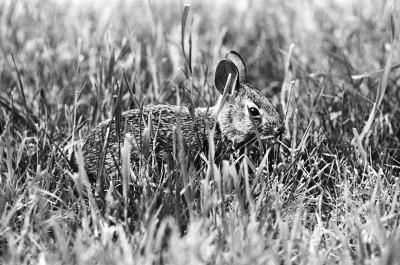
Somehow I missed it. How did it happen that this naturalist was unaware of the rabbit-repeating tradition?
This convention is completely new to me. A friend recently shared that her husband says “rabbit, rabbit” on the first day of each month as soon as he wakes up. When uttered on the first it is believed to bring a month of good luck. Even better is using this phrase on your birth month, as even more good fortune will be yours, they say!
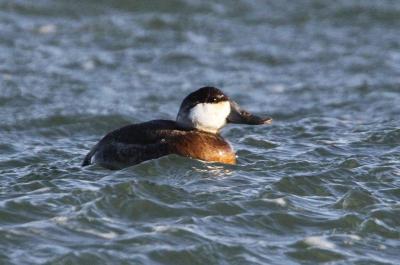
The Christmas Bird Count is behind us and there have been many interesting birds seen since. So let’s catch up with several of the attention-grabbing sightings. Dovekies have again caught people’s attention whether they are birders or not. In the recent easterly gales a number of these little alcids, which are about half the size of a football and weigh practically nothing, were blown onto the Island. Peter Huntington spotted a dovekie flying over Crab Creek at Quansoo on Jan.
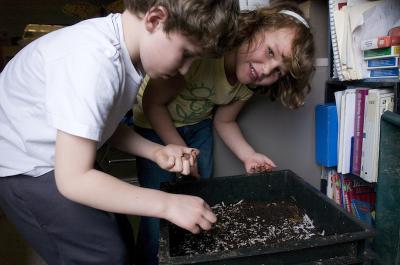
Felix Neck Wildlife Sanctuary is once again offering Fern & Feather Natural History Day Camp scholarships and discounts to year-round Vineyard residents.

Bitterly cold temperatures in January kept the bay scallop fleet grounded for many days, but frozen ponds may provide future benefits to some shellfish, including scallops and oysters, Island marine biologists say.
Rick Karney, director of the Martha’s Vineyard Shellfish Group, said last week that a drop in water temperature in saltwater ponds helps to inhibit the shellfish disease dermo, which is a threat to wild oysters.

In an attempt to quantify the Vineyard deer population, a Mount Holyoke College professor flew across the Island last Friday afternoon taking thousands of aerial infrared photographs for a tick-borne illness study. While a snowy, 20 degree day on Martha’s Vineyard may not be most visitors’ optimal conditions for a flight around the Island, professor of geography Thomas Millette deemed Friday’s weather ideal. A frozen ground, calm winds and an overcast sky all optimize the efficiency of the thermal imaging system developed by Mr. Millette.
Almanac
A comprehensive guide to weather and tides on the Island.

Vineyard Gardener
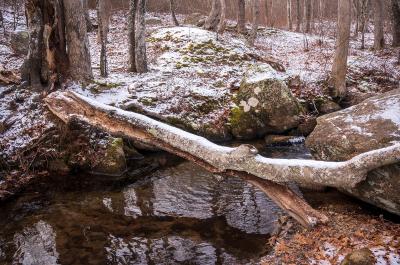
I guess this past week weather-wise is called a January thaw. We did not really experience it the last several years as December was unseasonably warm.
Farm & Field
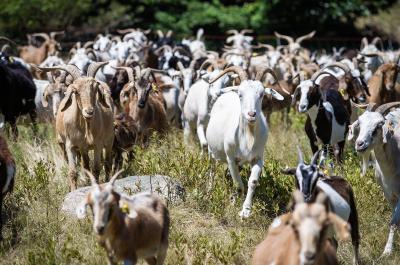
Beige and brown and tan and black, with horns spiraled or semicircular or in undulating waves, a legion of goats marched up the hill toward us, bleating in anticipation of fresh grass and leaves.