

Nature & Science
Phil Swift is waiting for the forsythia to bloom. The yellow harbingers of spring mark when the first loads of fertilizer can go down, when the final pruning should be attended to and when home gardeners re-emerge from the winter thaw.
“My forsythia have been trying to bloom all winter, especially on the nice days,” he said on a cool March morning at Jardin Mahoney in Edgartown “I always refer to the forsythia.

The brilliant gibbous moon will not be alone tonight when it rises more than an hour after sunset. It appears near the bright planet Saturn. The two celestial objects are in the zodiacal constellation Libra. The moon is two days past full moon and will look brilliant rising in the eastern sky.
At first glance, it seems unlikely that there is a connection between the abundance of white-tailed deer and the long-term documented decline of many songbirds. But let’s take a closer look.
Amazingly enough, deer used to be scarce, with low populations nationwide prior to 1900. Their populations rebounded once restrictions on hunting were put in place and now they are incredibly abundant, making this perhaps one of the most successful wildlife conservation efforts ever.
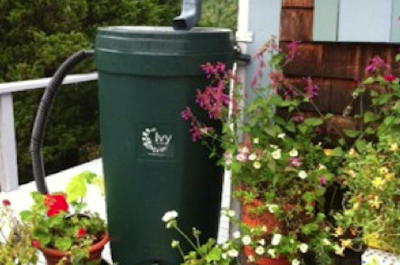
While nitrogen-rich water can be a boon to plants, it has led to declining water quality and pond health and the disappearance of eelgrass beds. One way to combat the problem, the Lagoon Pond Association says, is to save and reuse nutrient-rich rainwater, thereby preventing it from draining into our ponds.
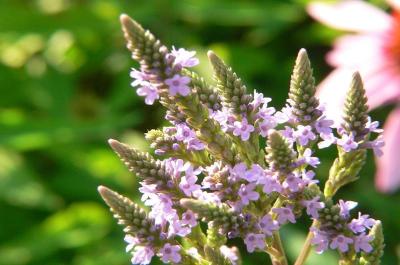
Interested in a way to celebrate spring while helping conserve the Vineyard’s native plants? Consider volunteering on Saturday, April 6, from 10 a.m. to noon at The Nature Conservancy’s (TNC’s) Native Plant Nursery.
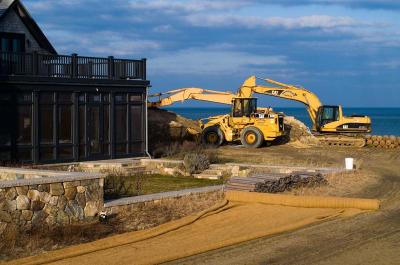
Construction equipment will be arriving on Chappaquiddick Friday for the first phase of a complex house move on Wasque Point, where erosion threate
Almanac
A comprehensive guide to weather and tides on the Island.

Vineyard Gardener
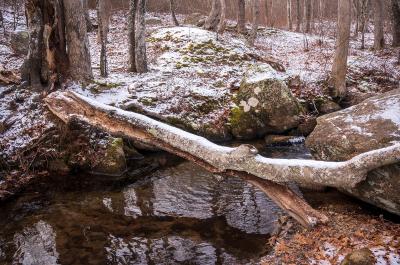
I guess this past week weather-wise is called a January thaw. We did not really experience it the last several years as December was unseasonably warm.
Farm & Field
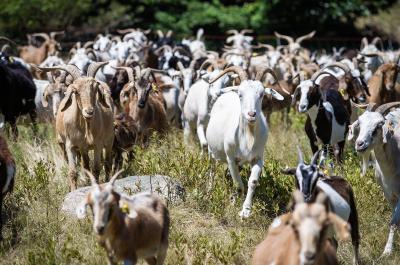
Beige and brown and tan and black, with horns spiraled or semicircular or in undulating waves, a legion of goats marched up the hill toward us, bleating in anticipation of fresh grass and leaves.