

Farm & Field
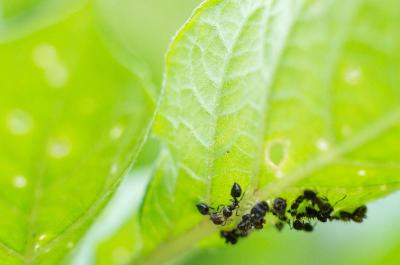
At Stannard Farms in West Tisbury, Lisa Fisher is using good bugs to combat the bad ones. Peering into her green beans, she pulled aside heart-shaped leaves. She was looking for a mahogany-colored beetle a little larger than a ladybug, called the bean beetle.
As temperatures peaked at 90 degrees on the Vineyard last week, Blackwater Farm owner Debbie Farber worried about her chickens.
“Have you ever seen a chicken pant?” she said. “Chickens are not happy in this weather. I’m just trying to keep them cool and give them plenty of water. That’s all you can do.”
Farm Institute campers Juliette Colas and Evan Troost gave tours.
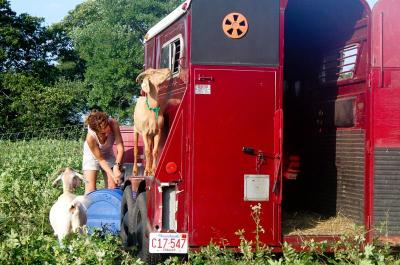
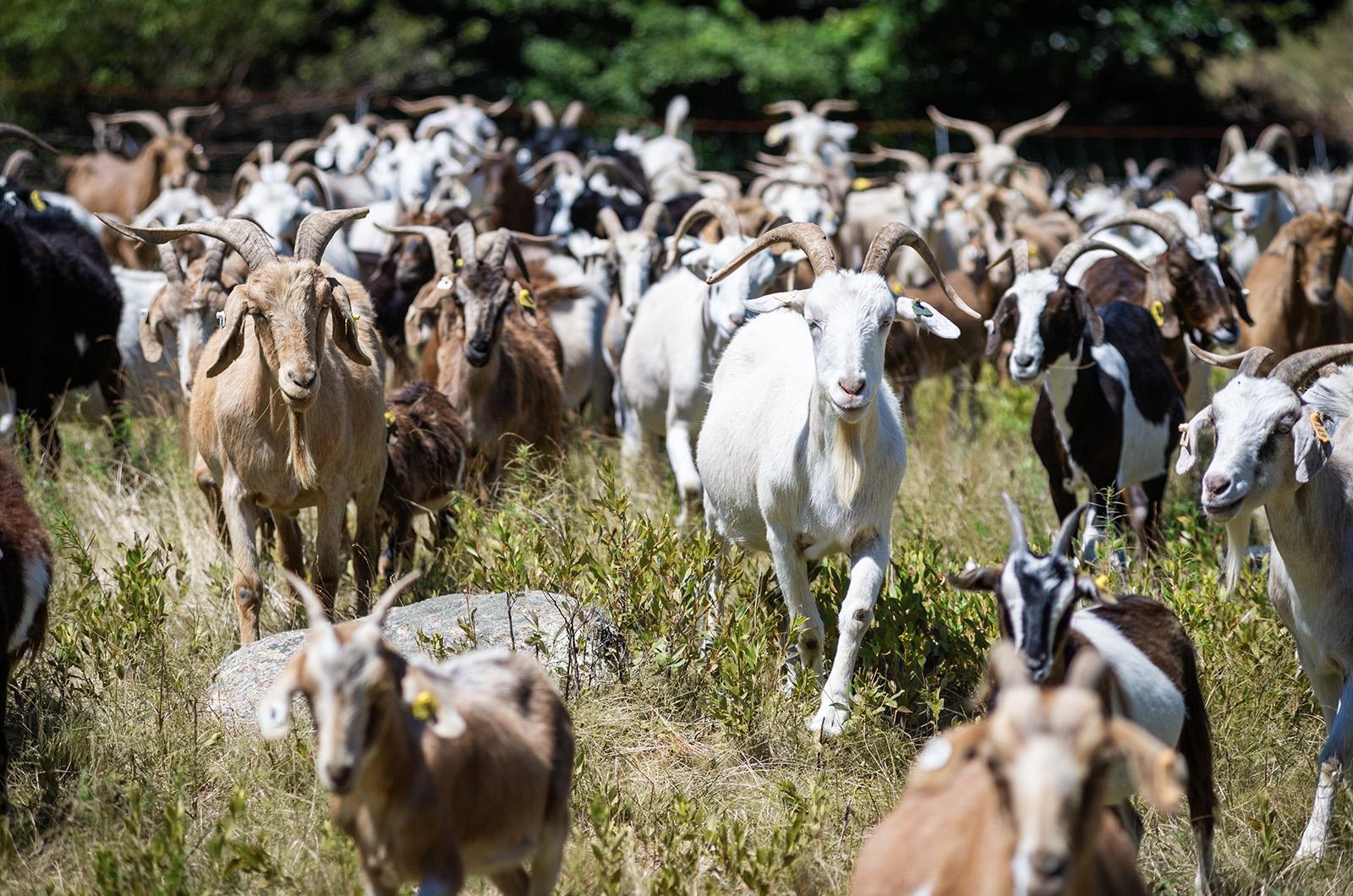
Imagine sheep grazing at Wasque Point on Chappaquiddick, or goats and cattle browsing the greenery at Long Point Wildlife Refuge.
It’s not a long shot if farmers and conservation groups can manage land together, says David R. Foster, an ecologist and director of the Harvard Forest.
“This is a fabulous time for agriculture and there’s a wonderful opportunity for agriculture, land owners and conservationists to come together in a way that they haven’t previously,” Mr. Foster said in an interview at his home this week.
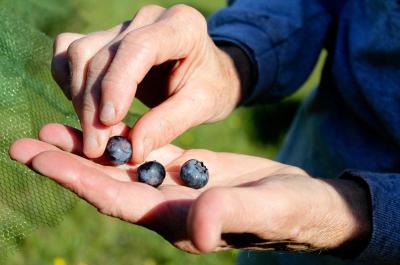
The secret to growing sweet blueberries on the Vineyard is patience and sun.
“I say this every single chance I get,” blueberry farmer Susan Murphy said while standing next to one of her bushes this week. “High bush blueberries turn blue 10 days before they’re ready to pick. What makes them sweet is the action of the sun on the fruit — it increases the sugar content.”
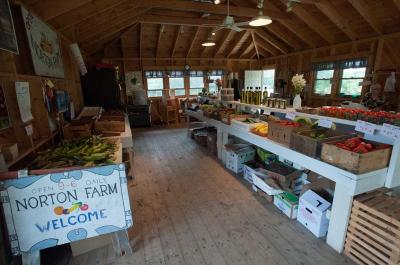
Jamie Norton is looking forward to having his house back next winter. For years now his roommates — starter trays of peppers, eggplants, melons, cucumbers, gilo and other vegetables — have taken over his home each winter and spring, covering nearly all available space.