

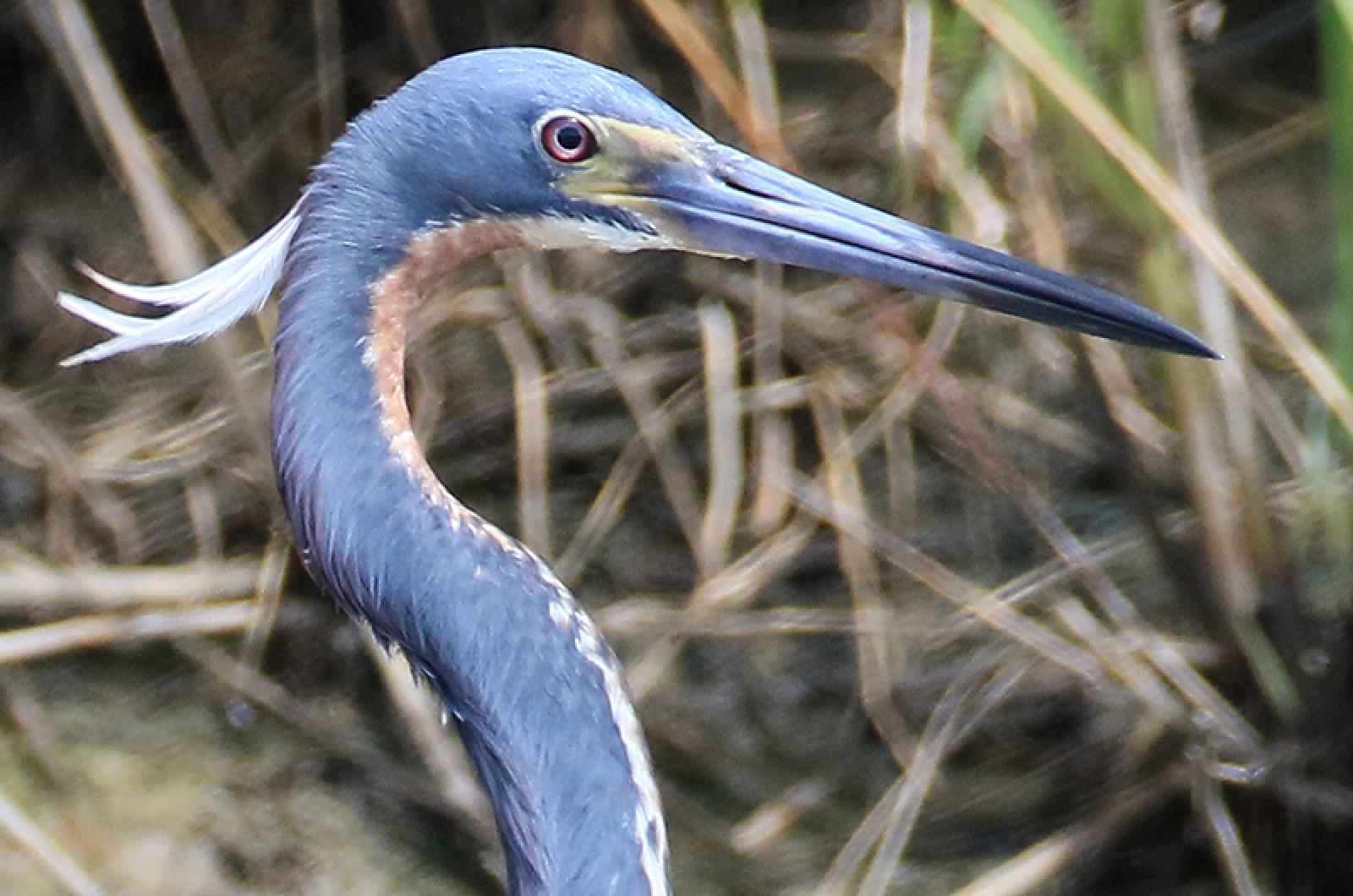
Bird News

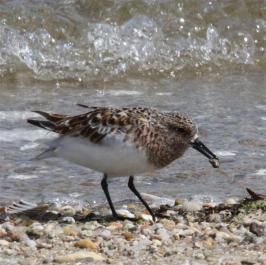
Red knots are a not something you tie, but a type of shorebird that is causing quite a stir in the birding world. A bit of history: the red knot’s Latin name is Calidris canutus, a moniker which was given this sandpiper by Linnaeus to honor the Danish king, Canute or Knut. King Knut was well-known for trying to hold back the tides. This makes perfect sense; if I were a sandpiper depending on horseshoe crab eggs or clams, I would want the tide to stay low so I could feed.
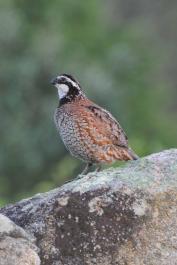
Once upon a time northern bobwhites were a common bird on Martha’s Vineyard.
Gus Ben David, of the World of Reptiles and Birds, and I have received a few calls or e-mails about ailing sea birds and shorebirds. Deb Hancock called and described a very lethargic ruddy turnstone she spotted on Lobsterville Beach. The bird could be picked up and showed no sign of concern when she approached. Deb also noticed a common loon that was up on the beach and showed very little fear when approached, except to snap its bill. This is unusual because loons are not designed to go on land; it typically indicates that a bird is weak or ill.
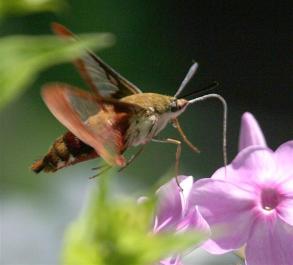
I must deviate from bird news to speak of other winged creatures, the snowberry clearwing and the hummingbird clearwing. These two belong to a group known as the sphinx moths and they mimic hummingbirds in shape, size and behavior. They have been everywhere this summer. The hummingbird moths are about an inch to an inch and a quarter long and their swept-back wings are about two inches long. Snowberry and hummingbird sphinx moths’ wings are mostly transparent, boasting black or reddish orange borders and veins. Both these hummingbird moths feed with a long hollow, straw-like proboscis, which they keep curled under the head until they are on-site ready to sip nectar from a flower.
The sky turned steel gray and then black. The thunder thudded to the northeast. The black clouds rolled in, bringing the booms and cracks closer.

The four pairs of black skimmers on Norton Point are causing great excitement. Two families have four chicks, one family has three chicks and a fourth is on eggs. That brings the total to 11 black skimmer chicks. This is dynamite as the Vineyard has never produced a single black skimmer in the past! Questions about skimmer nesting behavior have been pouring in, so here goes.