

Bird News
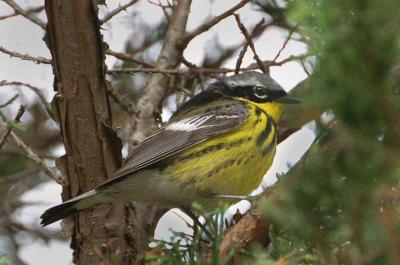
The monitoring of Vineyard fish hawks, or ospreys, is an ongoing project. Although osprey comings and goings have been recorded since 1913 on-Island, the study of the osprey population did not start until the 1970s by Gus Ben David. Osprey nests had been documented in Lambert’s Cove, Chappaquiddick and on the Takemmy Trail (the road between West Tisbury and Edgartown) in the 1950s. Then came the 1960s and the uncontrolled use of the pesticide DDT. The Vineyard’s osprey population dropped to two or three pair.

It was early May and the migrating birds, Felix Neck Bird-a-thon and our garden were calling us home to the Vineyard. We thought we were headed home from Big Bend, Texas, however the bird buggy (and we) had a different idea. How could we not bird the famous Bentsen-Rio Grande State Park, the Santa Ana National Wildlife Refuge, Laguna Atascosa National Wildlife Refuge or South Padre Island while we were in West Texas?
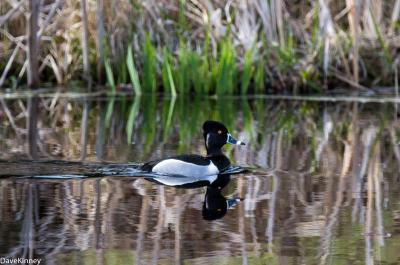
We had left Arizona and were in a campsite at a campground near the Rio Grande River in Big Bend National Park, Tex. In preparation for our trek the following day, we played the recording of the colima warbler over and over again while preparing dinner. We knew we would only find this rare warbler if we heard it first.
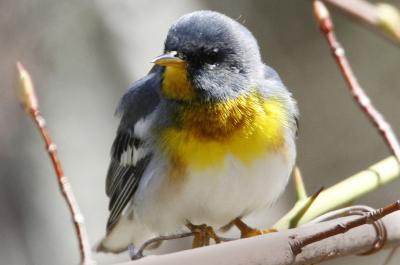
It was still daylight on Thursday evening, April 25, about an hour before the full moon was to rise in the eastern sky. The parking lot at the frisbee golf course in the state forest had about 10 cars in it, but the golfers were finishing up for the day. My guided birding tour was there for a different reason.

Managing our expectations has a lot to do with birding. For birders at the bottom of the expertise hierarchy to those at the top, our expectations can help us see a greater variety of birds, or they can hobble our judgment with misleading information. Finding the right border between caution and optimism is one of the intriguing balancing acts of birding, especially when there is some competition in the air, which, let’s face it, can be part of the fun.
It is that time of the year again! Any visitor to a wide variety of beaches can find roping that marks off the places where piping plovers, American oystercatchers and least terns nest. The first two species are back and the first oystercatcher nests are now present — the first one was reported on April 13. Plover nests will not be far behind. And the least terns will return to their nesting colonies in early May.