

Robert A. Culbert
It was still daylight on Thursday evening, April 25, about an hour before the full moon was to rise in the eastern sky. The parking lot at the frisbee golf course in the state forest had about 10 cars in it, but the golfers were finishing up for the day. My guided birding tour was there for a different reason.
It is that time of the year again! Any visitor to a wide variety of beaches can find roping that marks off the places where piping plovers, American oystercatchers and least terns nest. The first two species are back and the first oystercatcher nests are now present — the first one was reported on April 13. Plover nests will not be far behind. And the least terns will return to their nesting colonies in early May.
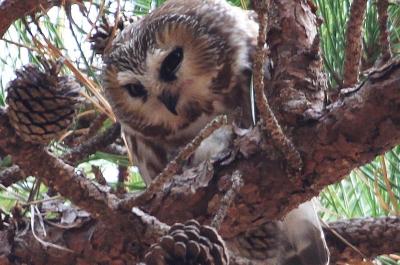
Spring seems finally to be here, and we have even had some nice spring weather. The thoughts of birds are turning toward their nesting season, as is evidenced by the increasing volume of birdsong. Owls are no exception, as they call more frequently at this time of the year as well. Some may already be on their nests while others are selecting their nesting sites.
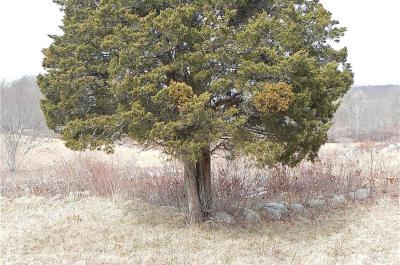
At first glance, it seems unlikely that there is a connection between the abundance of white-tailed deer and the long-term documented decline of many songbirds. But let’s take a closer look.
Amazingly enough, deer used to be scarce, with low populations nationwide prior to 1900. Their populations rebounded once restrictions on hunting were put in place and now they are incredibly abundant, making this perhaps one of the most successful wildlife conservation efforts ever.
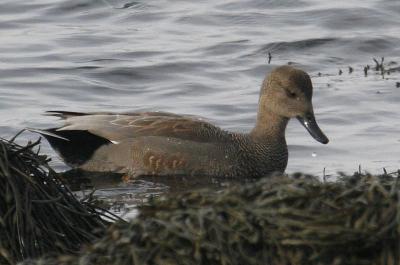
We have had a spate of dead seabirds along our shores. Most recently, Lanny McDowell found five dead razorbills and one dead common murre along a half-mile stretch of Cow Bay on Feb. 23. This is in addition to the several other similar reports from Lucy Vincent, Menemsha and Nantucket. What is going on?
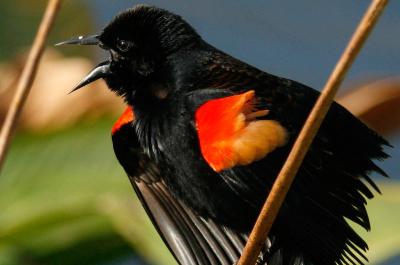
Fortunately, we do not often get a chance to talk about how birds are affected by a major snowstorm. But 15 inches of heavy wet snow has provided that opportunity.
Birds can detect the air pressure changes that accompany an approaching storm, giving them time to prepare for adversity.