

Robert Culbert
There is a time during migration when we begin to transfer from summer residents to winter residents. That change is starting with the arrival of white-throated sparrows, dark-eyed juncos and yellow-rumped warblers.
Birds that do not stay through the winter sometimes linger longer into the fall. Why not? We are in the midst of a nice and generally warm September.
Woodlands birds are starting to form multi-species foraging flocks that rove around woodlands in search of food.
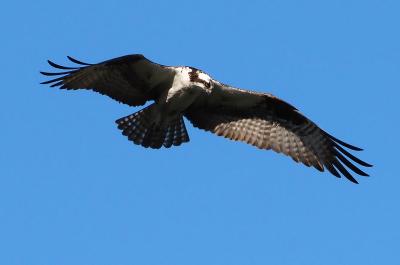
A lot of ospreys were seen on Sept. 1, as there were 17 osprey sightings that day. Most notably, Pete Gray reports “a spectacular showdown between a nesting osprey and a marauding bald eagle over the Aunt Rhoda’s Pond extension of Lake Tashmoo.
A month ago I asked where three shorebirds were that had not been seen for a few years: buff-breasted, Baird’s and upland sandpipers. This week the buff-breasteds (a shorebird that prefers upland short grass areas) showed up.
Fortunately, Hurricane Erin stayed out to sea. The power of that storm — even when it is far away — is amazing, especially since it combined with a northeaster storm that arrived from the west and brought us some much-needed rain.