


Elaine Weintraub

I traveled from the Vineyard to Ireland on March 1, to my village of Crossmolina in County Mayo.
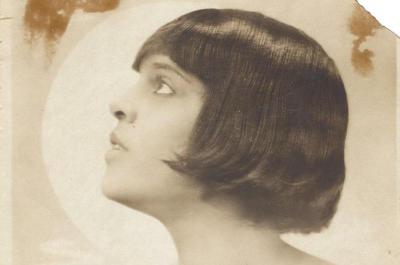
The African American Heritage Trail of Martha’s Vineyard began as part of a promise to a little boy, and in 1998 the Shearer Cottage was dedicated as the first site on the Trail. The ambition was to reach a total of eight sites. That there were many stories was obvious, but the depth and range of the experiences that make up the tapestry of the African American experience on Martha’s Vineyard was amazing. From fugitive preachers to nationally known politicians, all the struggles and triumphs of people of color were part of the story of this Island.
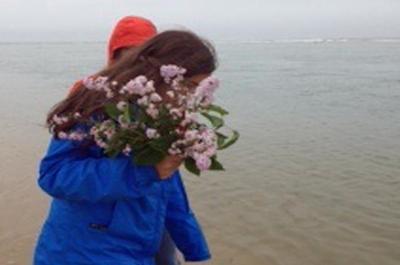
In January 1851, according to the diary of Jeremiah Pease, a British boat “castaway” off Muskeget with 256 Irish on board. Four froze to death. Who were those nameless people? From the date it is clear they were fleeing from a country that had become a graveyard to seek opportunity and salvation in America. Turning their backs forever on families and communities decimated by famine and oppression, these uninvited and undocumented immigrants hoped to find work and food.

I began my high school teaching career in 1992 following a stint in the Oak Bluffs School and an alternative school so I guess this year I come of age. I have 21 years of growing, struggling always to do better, of working and living with this community. It is time to reflect. There is so much to be thankful for in this richly diverse culture where I have found support from so many whose love for our children is indeed boundless.
In 2012 women were discovered and many experts stepped forward to discuss them. Electoral candidate Todd Akin was able to enlighten us all when he decided that a woman could not become pregnant if she was “legitimately” raped. There was another expert on the same topic, candidate Richard Mourdock, who also seemed to be incredibly well informed about women and rape. There was a summer-long discussion about how women will vote, and what matters to them. Women were everywhere we looked, except that no woman seemed to have spoken on the topic.
Three years ago in my sophomore history class, a young woman sat in the corner, deliberately placing herself outside the circle of activity in the room. I recall we were busy fund-raising for money to send books to a school in Mississippi, and later in the year for disaster relief in Haiti.