


Charlayne Hunter-gault

Between 400 and 500 revelers boogied big time on Friday during a farewell to legendary Lola’s restaurant.
Sometimes I have to abandon my journalistic training and resort to cliches — such as what goes around, comes around.
As headline after headline tells of a nation torn by race, I am taken to the rare thing few in the media talk about, but which I have been exploring for the past year — solutions.
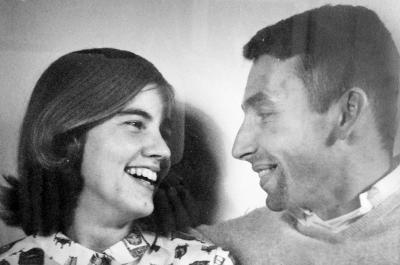
When Lucy Durr was a high school junior in Montgomery, Ala., her older first cousin, John, invited her to a party. There John introduced Lucy to his good friend Sheldon Hackney, a college junior.
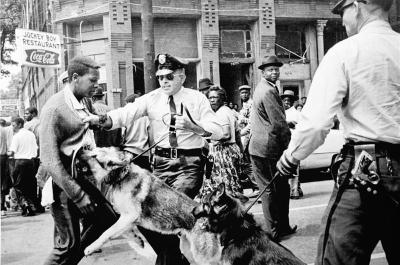
April was a cruel month for black people in Birmingham, Ala., in 1963. So was May, and the months that followed, culminating in the explosion of a bomb in a church that September that killed four girls. Fifty years ago last week, on May 2, 1963, teenagers and children, some as young as six, marched in Birmingham to protest segregation. Many were arrested for parading without a permit, but the marchers came back the next day. They were viciously knocked down in the streets by torrents of water from fire hoses wielded by white policemen, were hit with batons or set upon by police dogs.

Throughout my high school years in Atlanta, Ga., in the 1950s, Oak Bluffs on Martha’s Vineyard was a region in my mind. I can still remember the image I had of the Island back then — an enchanted place with beautiful green grapevines gracefully covering a landscape with children roaming freely in and around them. One of those children was my classmate, Bobby Jackson, whose father was a prominent doctor in the city. Every summer Dr.