



Two Vineyard institutions, the Vineyard Gazette and The Nature Conservancy (TNC), have announced a new partnership to advance an innovative approach to the Island’s environmental challenges. A new section on the Gazette website (mvgazette.com/nature-conservancy) will introduce Gazette readers to the principles and techniques of TNC’s Vineyard Habitat Network, which pairs TNC know-how with the energy and resources of conservation-minded Islanders.
Launched in 2011, the Habitat Network is free to participants and involves no obligations.
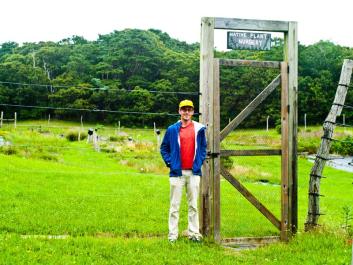
Residential developments, historically perceived as a threat to wildlife habitats, are taking on a positive role through a new Nature Conservancy program called the Vineyard Habitat Network.
Residences that can actually foster healthy habitats? It’s not only possible, it’s being done already, habitat officials say.
Japanese stiltgrass has recently been discovered in the Longview neighborhood of West Tisbury, and the Nature Conservancy needs Islanders’ help in keeping this invasive species under control.
The harmful grass, which was introduced to the U.S. from Asia as a natural packaging material at the beginning of the 19th century, can crowd out native wildflowers, grasses and tree seedlings.
State foresters and Nature Conservancy fire ecology experts will draft a fire management plan for Manuel Correllus State Forest on Martha’s Vineyard, to guide ongoing fire work, thanks to recent funding from the U.S. Forest Service.
The $374,000 also will cover the partnership to restore 925 acres in Massachusetts with prescribed fire over the next year, to manage ecosystems and improve public safety.
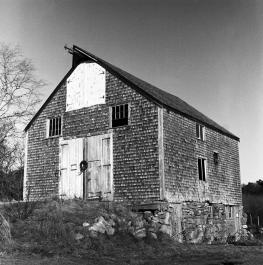
For more than a hundred years, the barn at Hoft Farm has born witness to the hard work and heartbreak of Vineyard rural life. The large barn, rising three stories high from its substantial fieldstone foundation, marked the ambition and optimism of the Hoft family, who settled on the Island after ocean journey and shipwreck. John Hoft, born in Hamburg, Germany, planted an orchard of apples, pears, peaches and plums.
Ever since cultivation began on the Vineyard, farmers have tried to enrich the nutrient-poor soils of the Island's sandplain grassland.