

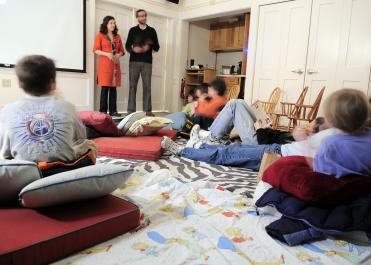
Call them critics-in-training. Children go behind the camera, videotaping kids' reactions to films.

It took the Martha’s Vineyard Film Festival about three years to get into the casual character it has enjoyed for the past seven. In the first year, a black and white printout distributed the day before the Grange Hall screenings announced a one-day program consisting of a collection of shorts, a few features and some ethnic food. The next year, a move to the Katharine Cornell Theatre in Vineyard Haven eliminated the food; eating wasn’t allowed at the site, so the festival moved again.
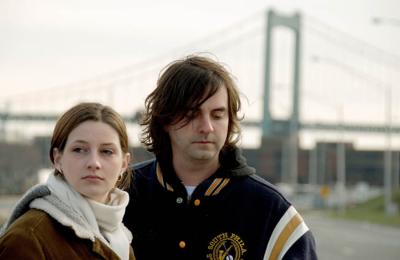
Island Cineastes Start New Season
Richard Paradise was named 2009’s best regional film festival director at last month’s International Film Festival Summit in Las Vegas. In an Oscar-speech moment with the Gazette, he shared his glory with Island filmgoers: “The success of the festival, the regional coverage, the volunteership, and the exploration of other cultures ... the Vineyard audience contributes.”

In the disturbing yet vital film Taxi to the Dark Side, Army Specialist Damien Corsetti, one of six interrogators who confessed to torturing and killing an innocent taxi driver at the Bagram Air Force Base in Afghanistan in 2002, stoically peers into the camera and tries to justify his actions.
“When you look at people as less than human, you find yourself doing unthinkable things,” Mr. Corsetti says of his role in the death of Dilawar, the young Afghani wrongly accused of being the trigger man in a rocket attack.
Amid the stacks of DVDs and under the piles of papers, press photos and programs, the sixth annual Martha's Vineyard Independent Film Festival is coming together.
Slowly.
"This is the crunch time, for sure," festival founder and director Thomas Bena says one afternoon last week from the festival headquarters in North Tisbury. "We still have a lot to do."
Cells and Celluloid

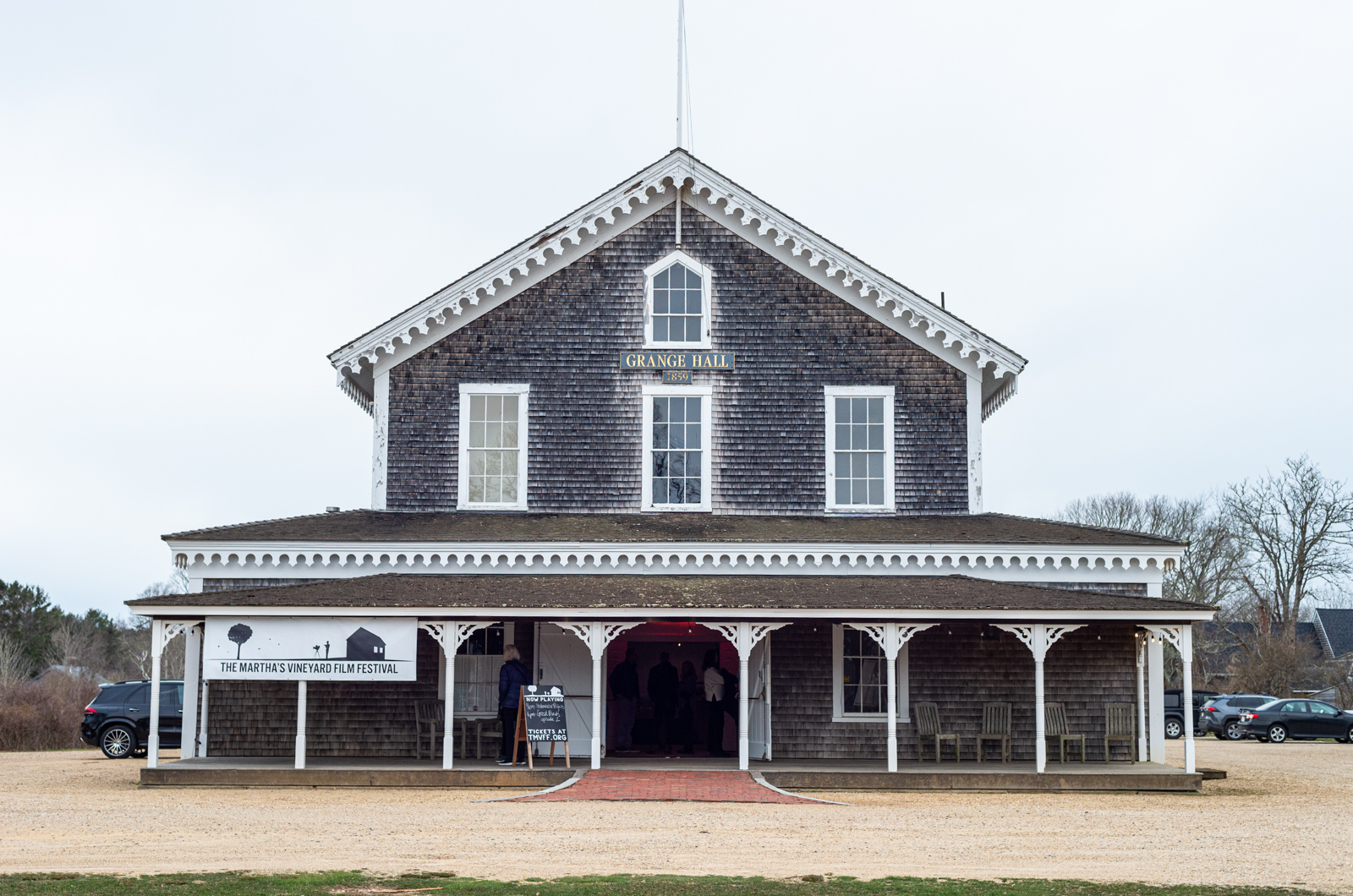
The 24th annual Martha's Vineyard Film Festival is held at the Grange Hall in West Tisbury.

The 24th annual Martha's Vineyard Film Festival is held at the Grange Hall in West Tisbury.

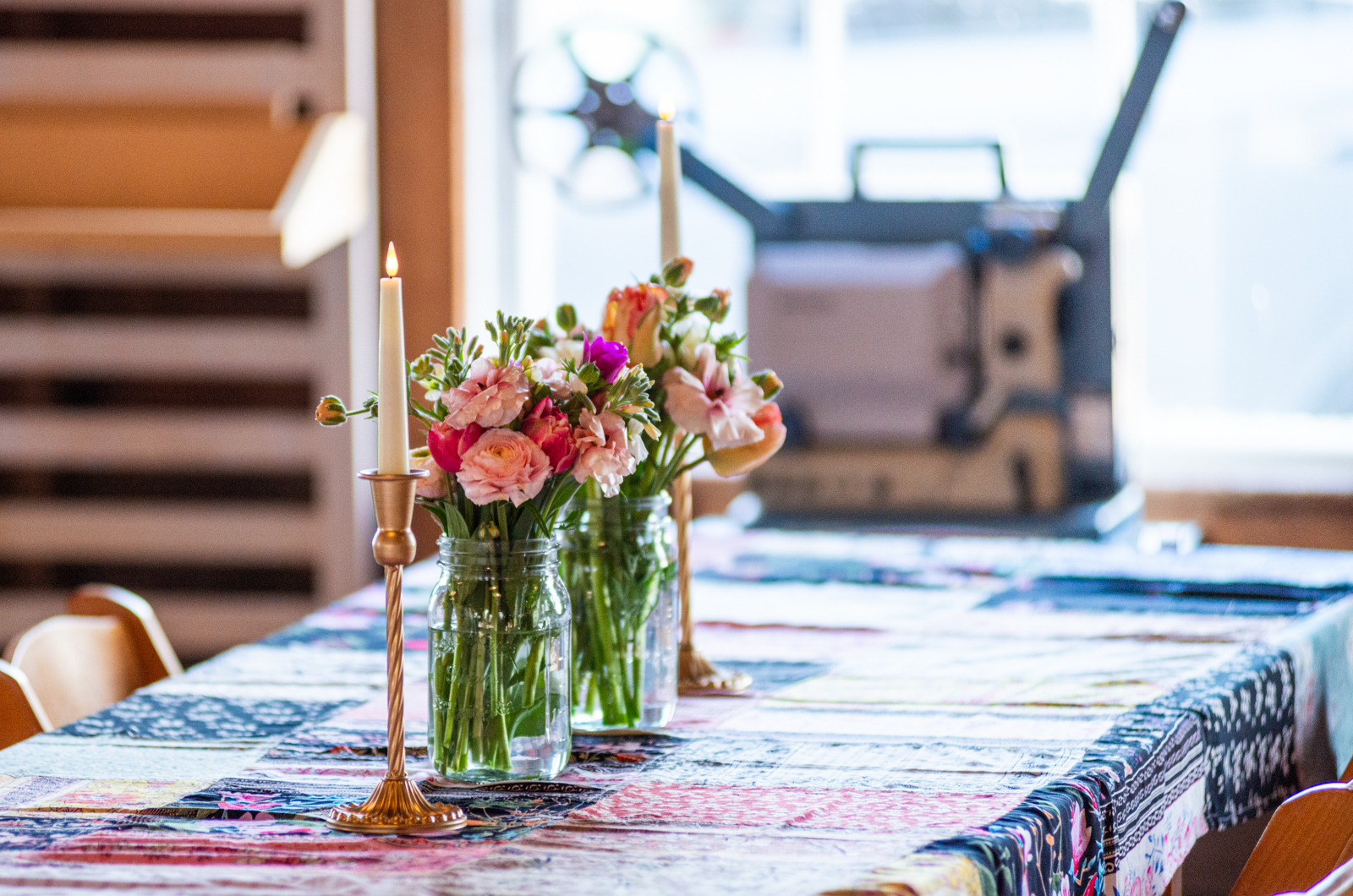

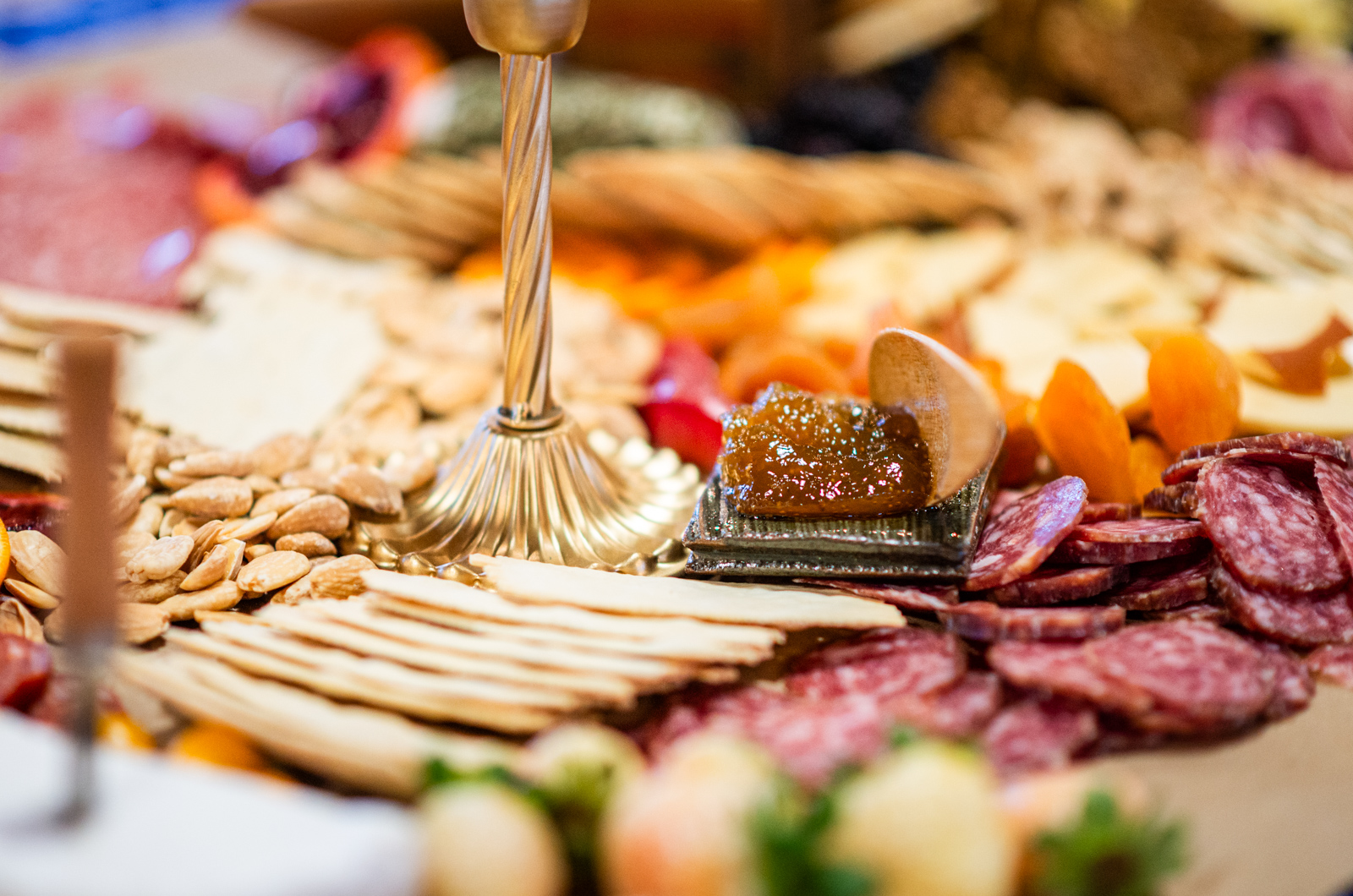
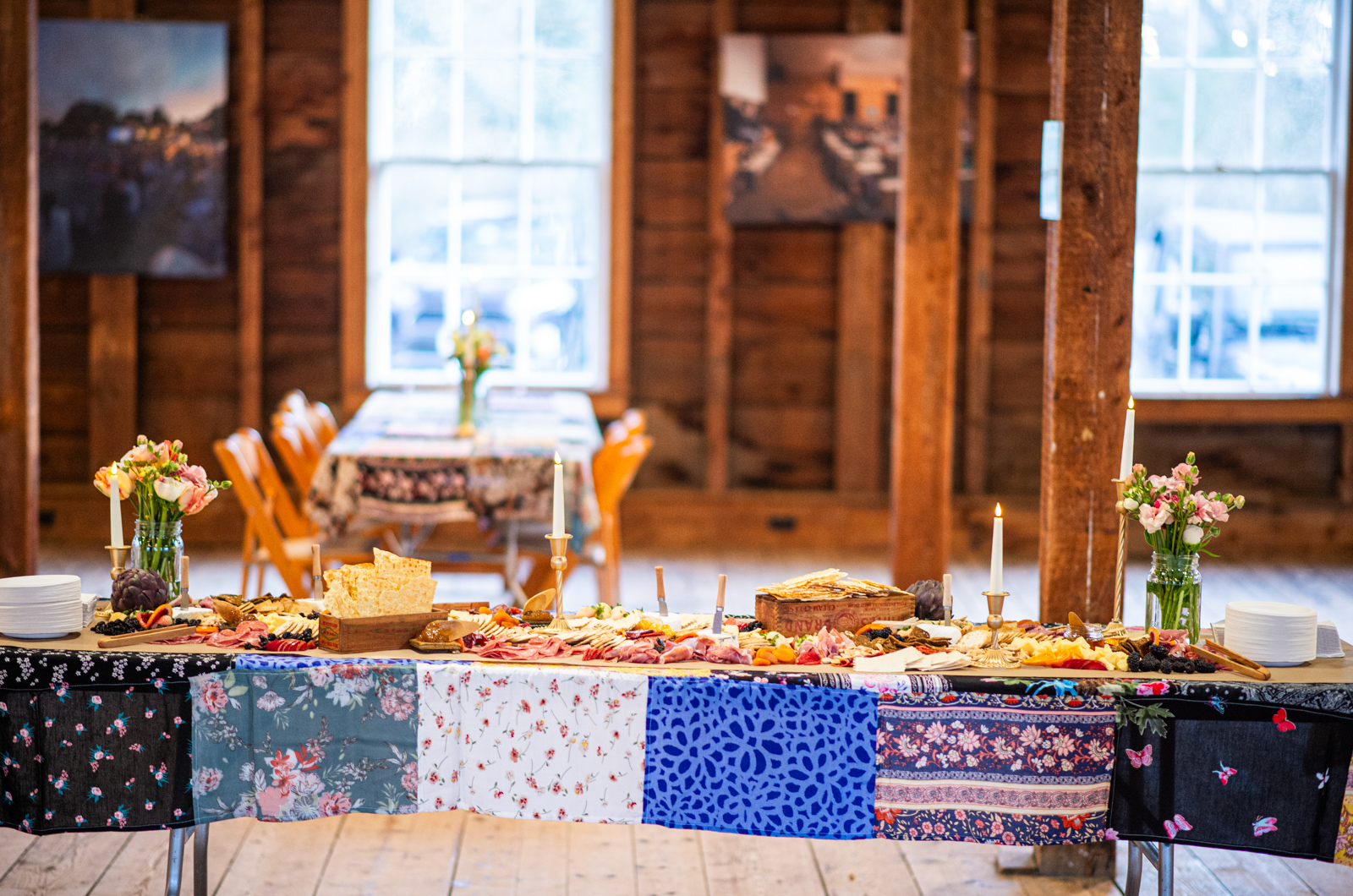
Nina Levin of Stoney Hill Pizza prepares Charcuterie board.

Nina Levin of Stoney Hill Pizza prepares Charcuterie board.

First floor of the Grange Hall is transformed into a dining space.

First floor of the Grange Hall is transformed into a dining space.

Popcorn is a must for the movies.

Popcorn is a must for the movies.

Brian Ditchfield (left) helps a guest with the festival schedule.

Brian Ditchfield (left) helps a guest with the festival schedule.

Minah Oh and Brian Ditchfield introduce Underwater Projects.

Minah Oh and Brian Ditchfield introduce Underwater Projects.

Brian Ditchfield is executive director of the festival.

Brian Ditchfield is executive director of the festival.

Rev. Lennox Yearwood Jr. and dream hampton introducing Underwater Projects.

Rev. Lennox Yearwood Jr. and dream hampton introducing Underwater Projects.

Audience for Underwater Projects.

Audience for Underwater Projects.

Rev. Lennox Yearwood Jr. and dream hampton discuss Underwater Projects.

Rev. Lennox Yearwood Jr. and dream hampton discuss Underwater Projects.

dream hampton.

dream hampton.

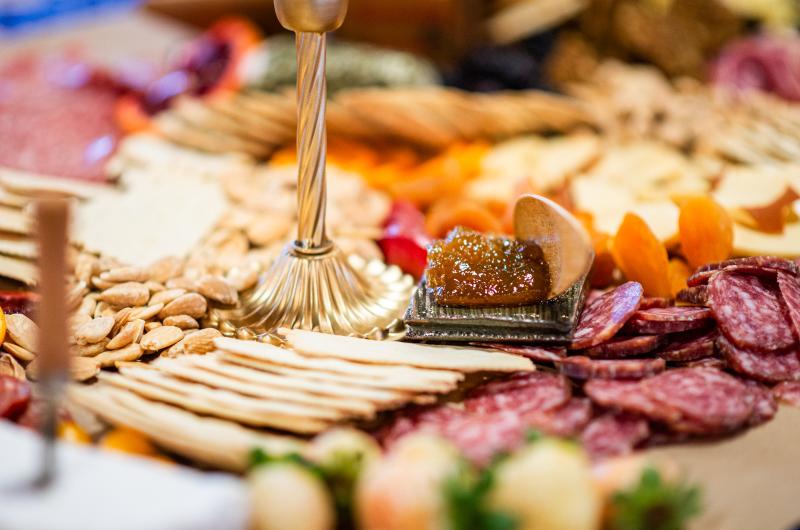
Charcuterie board by Stoney Hill Pizza.

Charcuterie board by Stoney Hill Pizza.

Stoney Hill will be providing food all festival long.

Stoney Hill will be providing food all festival long.


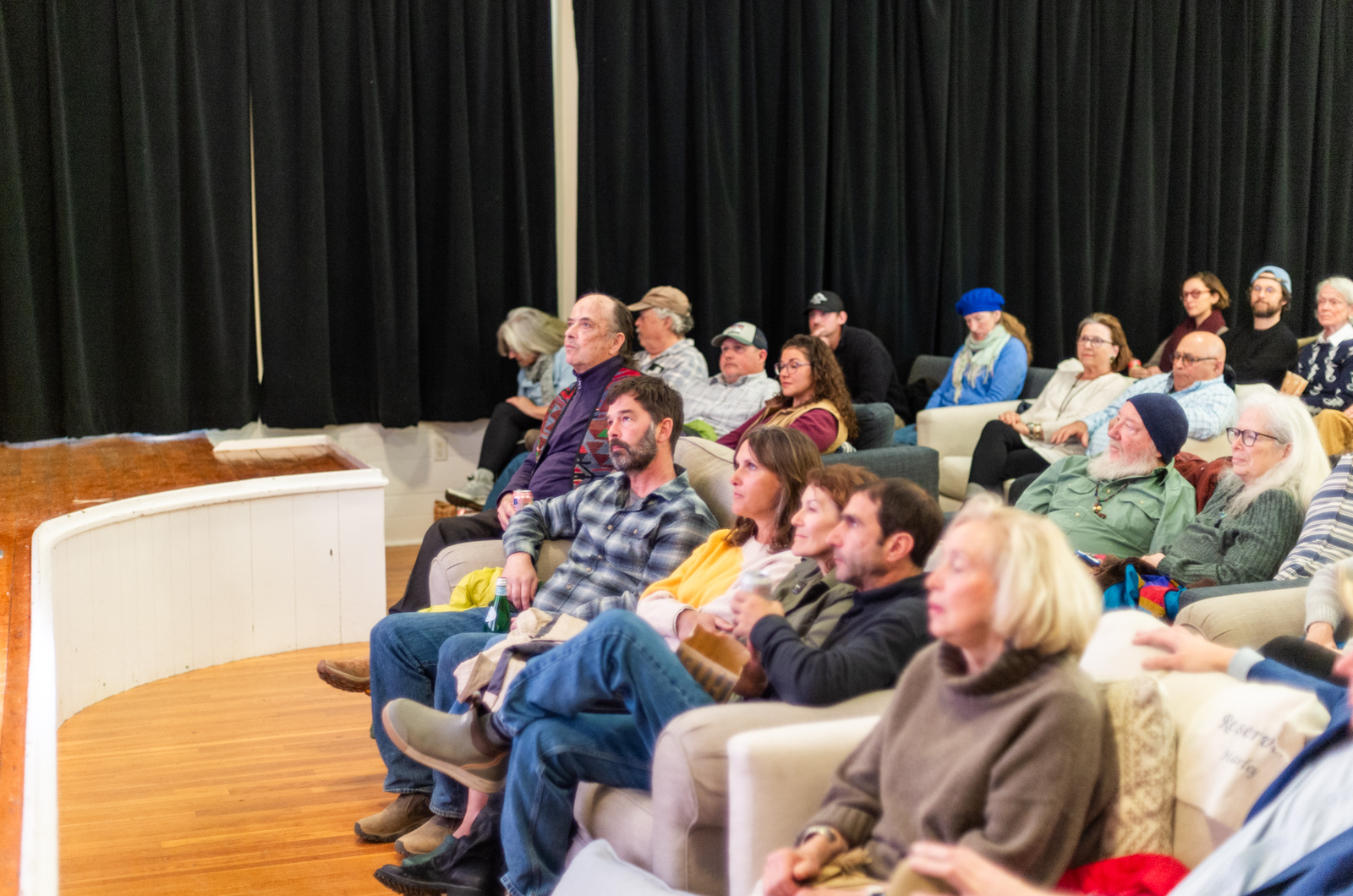
Audience for Great Ponds, Episode 2.

Audience for Great Ponds, Episode 2.

Applause for Great Ponds, Episode 2.

Applause for Great Ponds, Episode 2.

Ollie Becker directed Great Ponds, Episode 2.

Ollie Becker directed Great Ponds, Episode 2.


Emily Reddington (Great Pond Foundation) discussing the film.

Emily Reddington (Great Pond Foundation) discussing the film.

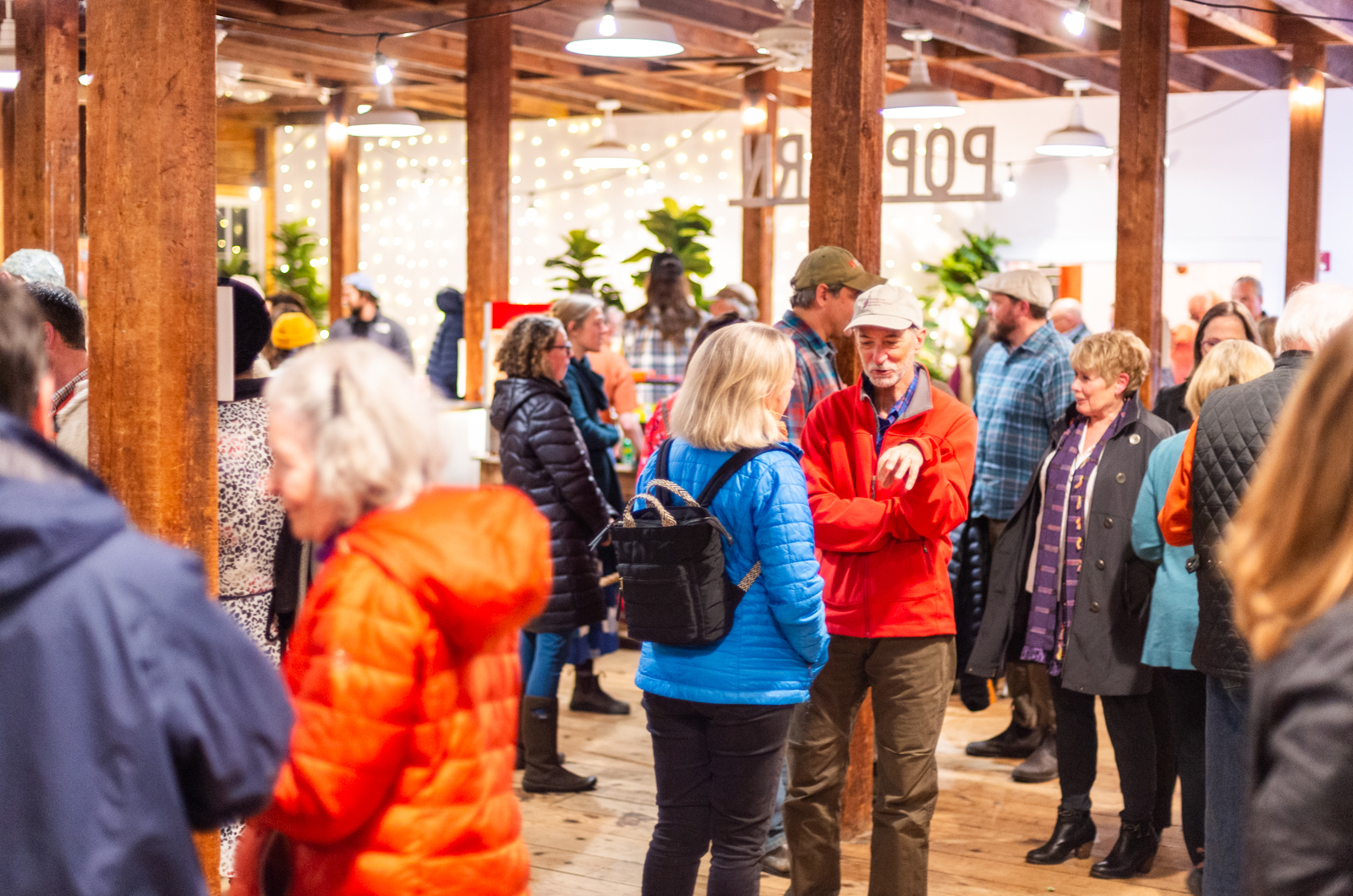
Guests enjoyed food and drink after the screening.

Guests enjoyed food and drink after the screening.

Emily Reddington (center) discussing the film with guests.

Emily Reddington (center) discussing the film with guests.



Pastries for sale in the "Ophelia" pastry trailer.

Pastries for sale in the "Ophelia" pastry trailer.



Collection of projectors and film-making gear.

Collection of projectors and film-making gear.

Dante johnson, Gabriel Francis Paz Goodenough, Erricka Bridgeford discuss The Body Politic.

Dante johnson, Gabriel Francis Paz Goodenough, Erricka Bridgeford discuss The Body Politic.

Textile goods produced by Archil Designs for the festival.

Textile goods produced by Archil Designs for the festival.

A faux neon sign was made for the festival in India.

A faux neon sign was made for the festival in India.

Danielle Mulcahy demonstrating splicing 16mm film.

Danielle Mulcahy demonstrating splicing 16mm film.

Danielle Mulcahy demonstrating splicing 16mm film.

Danielle Mulcahy demonstrating splicing 16mm film.


Martha's Vineyard Film Festival highlighted environmental issues on its opening night Wednesday.