


It should be bonito season. The water is warm, well into the 70s. There are plenty of sand eels swimming near the shoreline and there are plenty of terns overhead feeding. The bonito should be here. But they mostly aren’t.
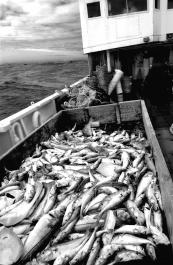
In 1978 all the fish I cared about died. They were the biggest largemouth bass I had ever seen, and they lived in a pond ten minutes’ walk from my house on a large estate in the backwoods of Greenwich, Connecticut, perhaps the most famously wealthy town in America. We did not own the house, the estate, the pond, or the largemouth bass, but I still thought of the fish as my fish. I had found them, and the pond was my rightful hunting ground.
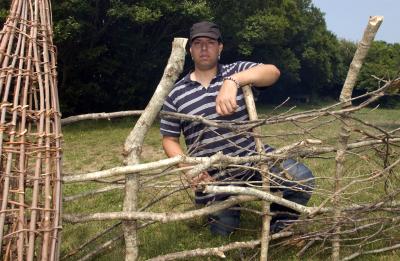
The Vineyard has no fish weirs these days. The trapping technique, catching fish by way of corralling them against walls of branches, timber and spiles strewn with nets, is no longer used here.
On Wednesday afternoon, however, Jonathan James-Perry, 33, a storyteller and historian with the Aquinnah Cultural Center, gave a talk about the use of fish weirs by the Wampanoag Indians of this region. In a time when the ocean was bubbling with a lot more fish than are there now, a fish weir was an effective way to catch fish.
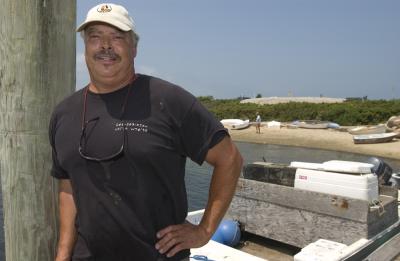
Brian (Chip) Vanderhoop, 49, saved the livelihoods of a lot of fishermen as the U.S. Coast Guard boathouse burned. The Aquinnah harbor master and shellfish constable would prefer little notice; it is just out of character for him to talk much about himself or to pose for a photograph. Of his five Vanderhoop siblings, he is the quiet one.

The first blue mussels on the experimental offshore mussel farm in Vineyard waters will be harvested in the coming weeks. The mussels are large enough to go to market, according to Scott Lindell, an aquaculture specialist with the Woods Hole Marine Biological Laboratory.
There are two small farms. One is north of Chilmark; the second is west of Noman’s Land. Two Island fishermen, Alec Gale of West Tisbury and Tim Broderick of Chilmark, are tending the farms with a 55-foot workboat, the Jane Lee, out of Menemsha.
Worried Vineyard lobstermen are breathing a little easier this week following a meeting held last week with fisheries regulators in Rhode Island, where a proposed five-year moratorium on lobster fishing was placed on the shelf — at least for now.