

Nature & Science
By LYNNE IRONS
I spent some time last weekend following the near-nonstop coverage of the fifth-year anniversary of Hurricane Katrina. Then, in watching the Weather Channel Tropical Update I kept my eye on the movements of Earl. I did make a few “in-case” preparations. I searched out a mechanic to repair the generator. I can live pretty well for a while with no power. I have a gas range, plenty of lanterns and always something to do. However, this business of no water because of an electric-run water pump in the well is a big drag.
There is a peek of autumn this week, if you go outside after 10 p.m. Without the moon showing its brilliant personality, the stars will be bright and vivid.
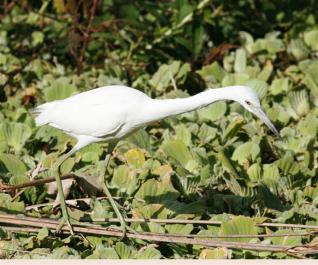
The Vineyard birding community would like to thank the town of Aquinnah/Gay Head, the Vineyard Conservation Society and all the others involved in protecting the fragile lands along Moshup Trail. This area is one of the premier birding spots during the fall and we are glad it will stay forever wild. Thanks!
As the last week of August and first week of September are upon us, there is no getting around the crisp smell of soil in the air, the slight crunch under your feet as leaves begin to drop
By PETER BRANNEN
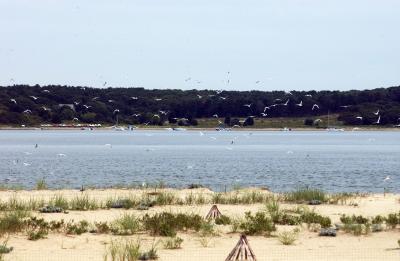
The life of the plucky tern is one beset on all sides by danger. They face a staggering array of threats from above and below as they eke out an existence hurling their angular, streamlined bodies toward the sea in search of sand eels and lance. For The Trustees of Reservations, protecting the diminutive shorebirds is a constant effort, one that begins in the spring before the terns arrive and ends long after the last bird has left.
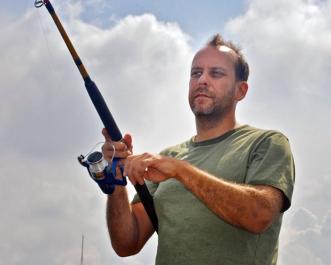
One evening when author Paul Greenberg was 10 years old his father dropped him off at Menemsha. That night he would pull six glistening iridescent squeteague from the waters around the jetty.
“I thought I was going to be rich beyond my wildest dreams,” Mr. Greenberg said in an interview at the same spot on Wednesday.
Everett Poole of Poole’s Fish Market sat Mr. Greenberg down and told him he would take the fish off his hands for 65 cents a pound. It was the first fish he ever sold.
Almanac
A comprehensive guide to weather and tides on the Island.

Vineyard Gardener
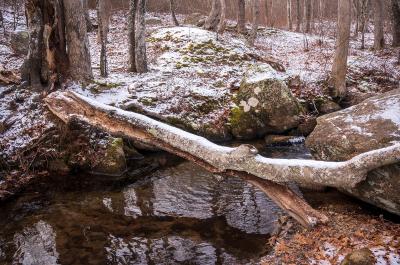
I guess this past week weather-wise is called a January thaw. We did not really experience it the last several years as December was unseasonably warm.
Farm & Field
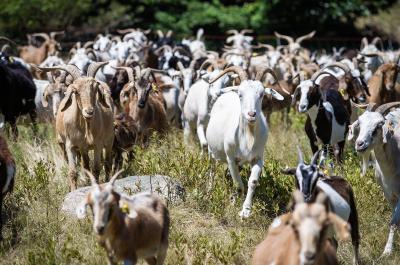
Beige and brown and tan and black, with horns spiraled or semicircular or in undulating waves, a legion of goats marched up the hill toward us, bleating in anticipation of fresh grass and leaves.