

Nature & Science
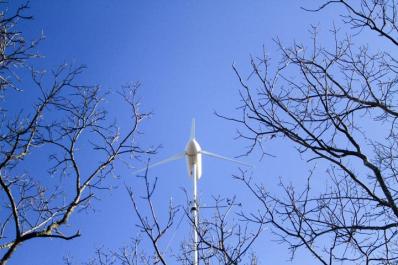
With wind energy proposals focused on the Vineyard and surrounding waters and the high concentration of wind resources, the Martha’s Vineyard Commi

Cape Wind, which began more than a decade ago as the nation’s first offshore wind farm and has since been enmeshed in legal battles, political wrangling and untold miles of red tape, is inching closer to the day when 130 wind turbines will be in operation on Horseshoe Shoal in Vineyard Sound. The project’s progress is tangible: out on the water, two barges have been in operation, performing geological tests on the ocean bed in preparation for the turbines.

The West Tisbury selectmen said this week they will move ahead with a comprehensive watershed study for the Mill Pond, putting the question of whether to dredge the historic pond on hold — at least for now.
The fate of the pond and whether to dredge it has been the subject of heated discussion in town for the past year.

The Vineyard had a bumper crop of hatchery-raised shellfish this year. The Martha’s Vineyard Shellfish Group, which provides shellfish to all Island towns, produced nearly double the number of quahaugs and oysters. The bay scallop crop was also good, although not as good as last year.
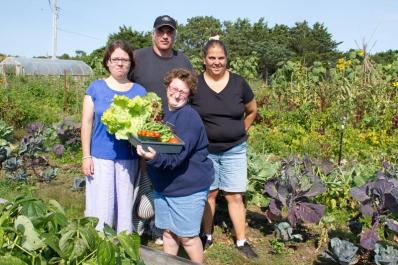
In May, Richard (RJ) Cage and his two sons built a handicap accessible vegetable garden at the Farm Institute. They used old barn wood to create the raised bed, making sure it was tall enough for wheelchair users to be able to lean over and pick crops easily. Over the summer more than 10 participants from the Seven Hills Foundation, a year-round day program for adults with developmental disabilities, worked in the garden two to three times a week.

While searching the depths of the sea floor for marine life, Jesse Ausubel realized something else. Out of the sea floor sediments leaked methane, a natural gas, which mussels, tube worms and other creatures thrived on.
“These animals were living off what we call methane seeps,” said Mr. Ausubel. “That was one clue that methane is more abundant under the sea floor than we had believed.”
Almanac
A comprehensive guide to weather and tides on the Island.

Vineyard Gardener
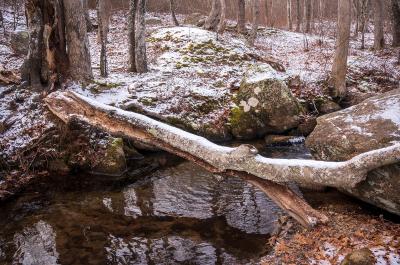
I guess this past week weather-wise is called a January thaw. We did not really experience it the last several years as December was unseasonably warm.
Farm & Field
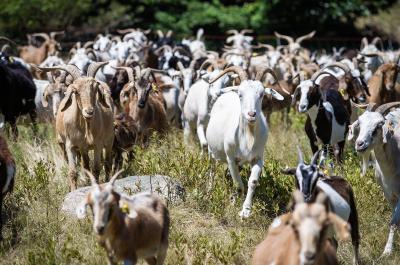
Beige and brown and tan and black, with horns spiraled or semicircular or in undulating waves, a legion of goats marched up the hill toward us, bleating in anticipation of fresh grass and leaves.