

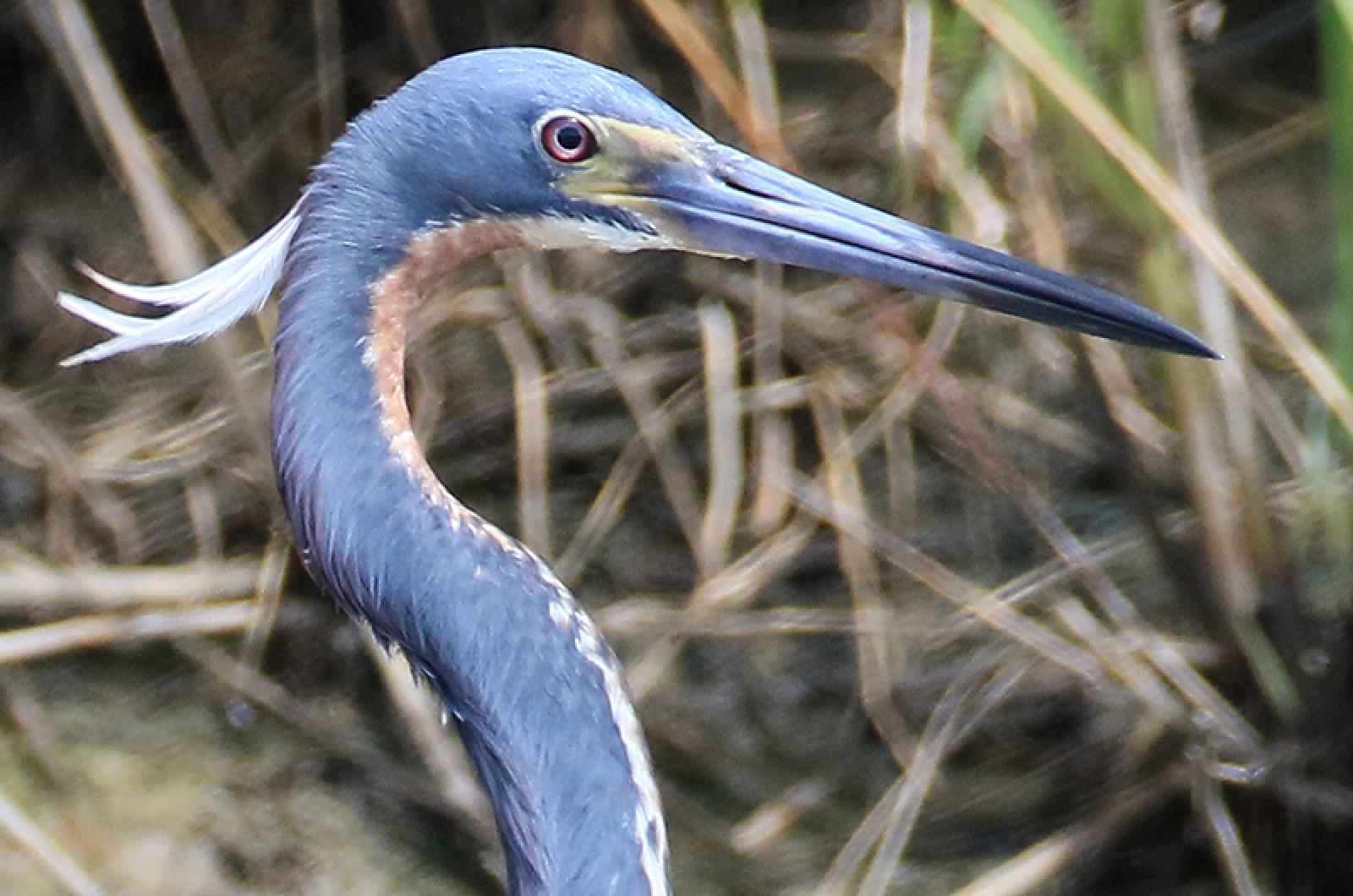
Nature & Science
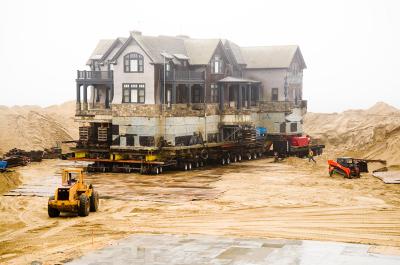

While many people out on the Fourth of July will be waiting for the first rocket and loud boom that makes up the fireworks display, it might also b

At 6:45 a.m. on a Saturday
morning near the Poucha Pond salt marsh at Chappaquiddick, a few fishermen lined the shores and a handful of binocular-bearing biologists and birders walked through the dunes. Otherwise, the land was bare of human activity.
But in the sky a bird with deep black and bright white striped wings swooped nearby. The binoculars went up.
“That’s a willet,” said Luanne Johnson, director of the nonprofit BiodiversityWorks dedicated to wildlife research, monitoring and mentoring.
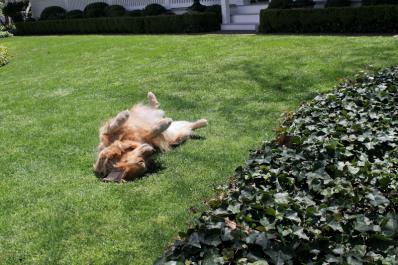
Friday, June 21: Sunny and clear. There is no question, the first day of summer feels like summer. Temperature rises to the mid-70s. A couple of beach umbrellas line Joseph Sylvia State Beach in the afternoon. Summers’ first swimmers take to the water in the afternoon. Pretty late afternoon. Colorful sunset.
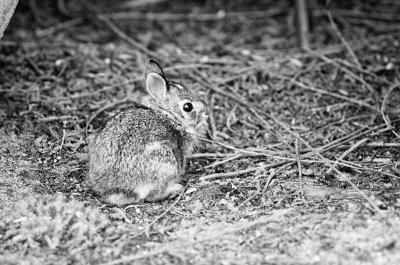
Even if he wasn’t thinking specifically about tularemia, Hans Zinsser knew well the danger that surrounds us. He cynically observed that “however secure and well-regulated civilized life may become, bacteria, Protozoa, viruses, infected fleas, lice, ticks, mosquitoes and bedbugs will always lurk in the shadows ready to pounce when neglect, poverty, famine or war lets down the defenses.”
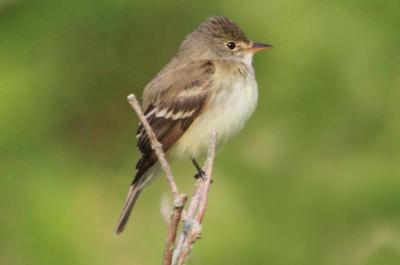
I broke two Cardinal rules of birding and blew it for my two birding companions, Lanny McDowell and Warren Woessner. We were birding around Crackatuxet Cove by the old Pearl Factory where we understood that there was a willow flycatcher nesting. Willow flycatchers are not a common nesting species on the Vineyard, so we wanted to see it. We were in the car driving out slowly toward the Katama Airport when all three of us spotted the flycatcher at the same time. Warren stopped and without thinking I quickly jumped out of the car.
Almanac
A comprehensive guide to weather and tides on the Island.

Vineyard Gardener
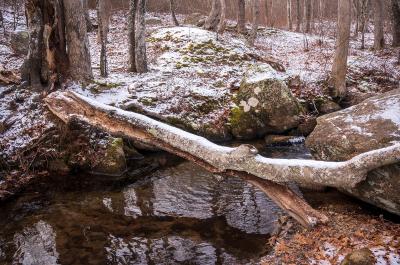
I guess this past week weather-wise is called a January thaw. We did not really experience it the last several years as December was unseasonably warm.
Farm & Field
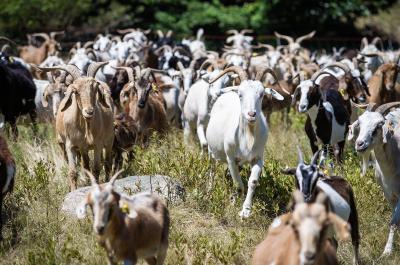
Beige and brown and tan and black, with horns spiraled or semicircular or in undulating waves, a legion of goats marched up the hill toward us, bleating in anticipation of fresh grass and leaves.