

Nature & Science
For the second time in less than a month, Sengekontacket Pond has been closed to shellfishing, and will remain closed indefinitely while fisheries experts consider what to do about bacterial contamination.
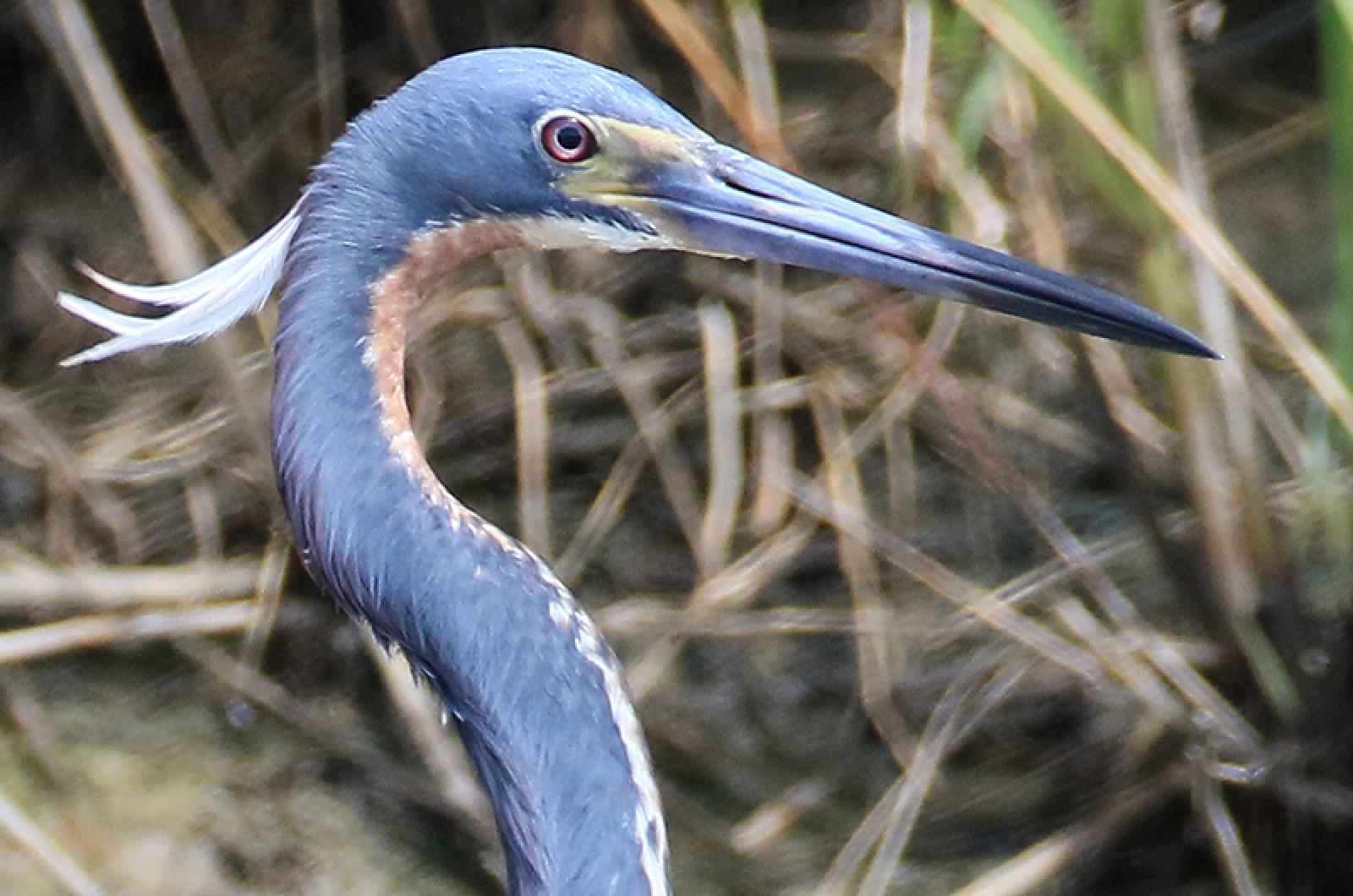
The loss of habitat which has caused bird numbers to plummet across America in recent decades has had an impact on the Vineyard, but not nearly as heavily as in other places, according to local experts.
The entire Oak Bluffs side of Lagoon Pond was opened to shellfishing this week, in response to the forced closure of Sengekontacket Pond late last week due to high levels of bacteria.
Shellfish constable Dave Grunden said he had adjusted the management regime for Lagoon Pond to open early one area which had been closed until August, as well as another area which had been closed for reseeding.
Sengekontacket Pond has been closed to shellfishing due to high levels of dangerous bacteria found in tests last week.
Water quality testing showed fecal coliform bacteria at levels well above the safe level for shellfish consumption at eight of nine testing stations on the pond. The contamination level at the ninth testing station was right on the upper limit of safety.
Comfortable shoes selected. Sunblock and bug spray applied. Water packed and muscles stretched.
This was the checklist for the 40 walkers gathered on Jetty Beach in Oak Bluffs early Saturday morning. Ahead was the Cross-Island Walk, a hike sponsored by the Martha's Vineyard Land Bank, led every year to celebrate National Trails Day and to expose people to the Island's conservation lands and the paths and back roads that connect them.
The forces which punched a hole in Norton Point and opened Edgartown harbor to the Atlantic Ocean might present a headache for town officials, but from an ecological viewpoint, they have all the benefits of a big natural spring cleaning.
Almanac
A comprehensive guide to weather and tides on the Island.

Vineyard Gardener
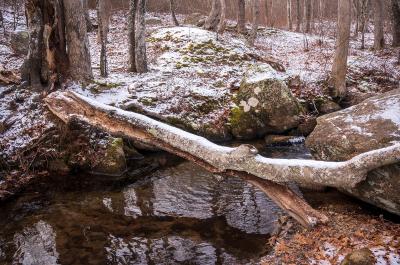
I guess this past week weather-wise is called a January thaw. We did not really experience it the last several years as December was unseasonably warm.
Farm & Field
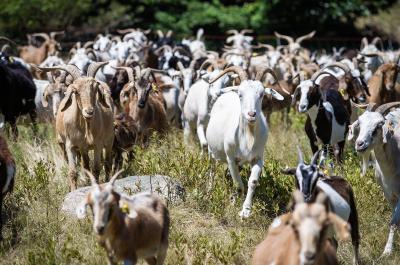
Beige and brown and tan and black, with horns spiraled or semicircular or in undulating waves, a legion of goats marched up the hill toward us, bleating in anticipation of fresh grass and leaves.