

Farm & Garden
I gave it my best shot all last week — trying to develop some acceptance of the weather. As an outside worker, I would prefer rain, wind, and/or snow to the heat and humidity. Now, granted, I am grateful to not live in the southwest or a big city but honestly, who would like it? Oh I know — weeds, mosquitoes and garden insect pests.
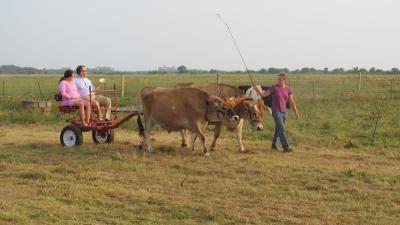
Farm Institute campers Juliette Colas and Evan Troost gave tours.
Since I’ve written nearly 400 of these columns, I feel justified in plagiarizing myself.
I went back several years to July 10, 2008 and found several paragraphs that could be written any year at this time.
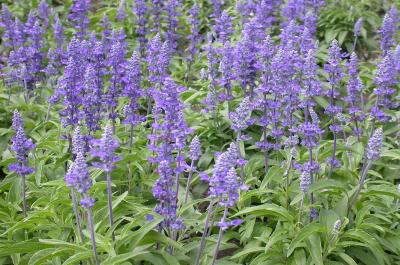
I suggested that dead-heading is the order of the day. Blue queen salvia will continue to bloom all summer if the flower stock is cut almost weekly It is obvious on the plant to go down to the nearest v-joint where the next flower wants to start.
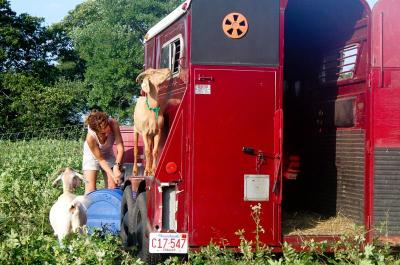
Imagine sheep grazing at Wasque Point on Chappaquiddick, or goats and cattle browsing the greenery at Long Point Wildlife Refuge.
It’s not a long shot if farmers and conservation groups can manage land together, says David R. Foster, an ecologist and director of the Harvard Forest.
“This is a fabulous time for agriculture and there’s a wonderful opportunity for agriculture, land owners and conservationists to come together in a way that they haven’t previously,” Mr. Foster said in an interview at his home this week.
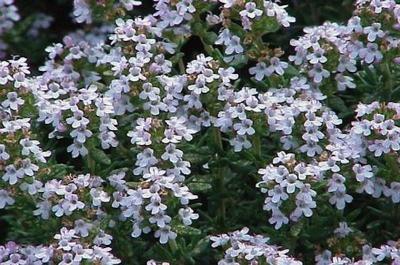
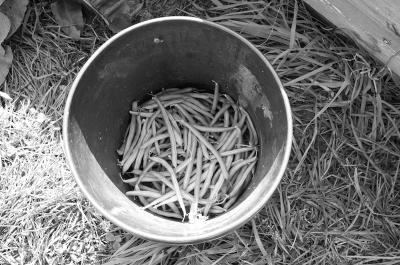
Bean Thyme
By LYNNE IRONS
I pretty much make it up as I go along. I planted an enormous amount of English thyme from seed a couple of years in a row. Never being able to waste a single life, I tediously transplanted every seedling. Now, many of the vegetables beds are edged with thyme plants. I would never live long enough to use all that thyme so I decided to cut each plant down to tidy little six-inch globes of cuttings. I spread the bushels all over my hay mulch around the potato plants in hopes of deterring both voles and Colorado potato beetles.
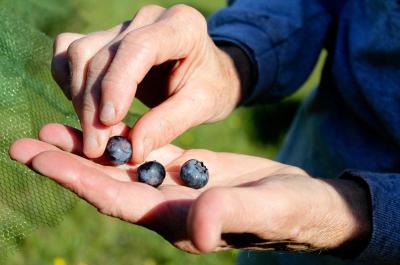
The secret to growing sweet blueberries on the Vineyard is patience and sun.
“I say this every single chance I get,” blueberry farmer Susan Murphy said while standing next to one of her bushes this week. “High bush blueberries turn blue 10 days before they’re ready to pick. What makes them sweet is the action of the sun on the fruit — it increases the sugar content.”