
When I reached the top of Slide Mountain many winters ago, I found a small plaque to Catskills nature writer John Burroughs declaring that, from here, “the works of man dwindle.”
When I reached the top of Slide Mountain many winters ago, I found a small plaque to Catskills nature writer John Burroughs declaring that, from here, “the works of man dwindle.”
I knew the awesome emotional power of the mountains, but Burroughs’s words helped me see better, helped me see that, from high atop Slide Mountain, “civilization seemed to have done little more than to have scratched this rough, shaggy surface of the earth here and there.…You discover with a feeling of surprise that the great thing is the earth itself.”
Good writing doesn’t just mimic the experience of nature’s power, it attunes our senses to notice details, refines our understanding and gives name to our enchantment.
But, more urgently, good writing can reveal the true value of nature. “Once a landscape goes undescribed and therefore unregarded,” writes Robert MacFarlane in his book Landmarks, “it becomes more vulnerable to unwise use or improper action.”
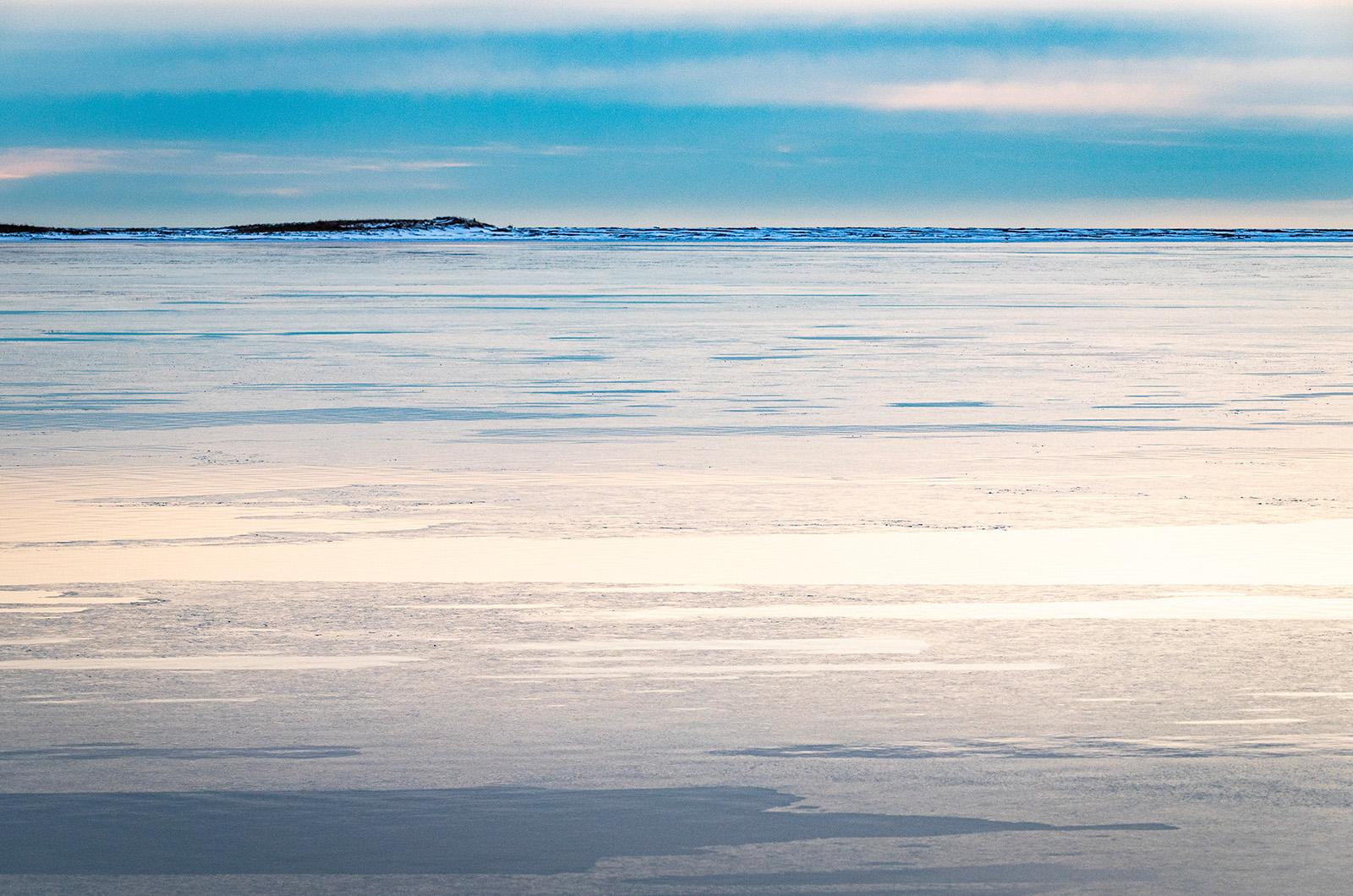
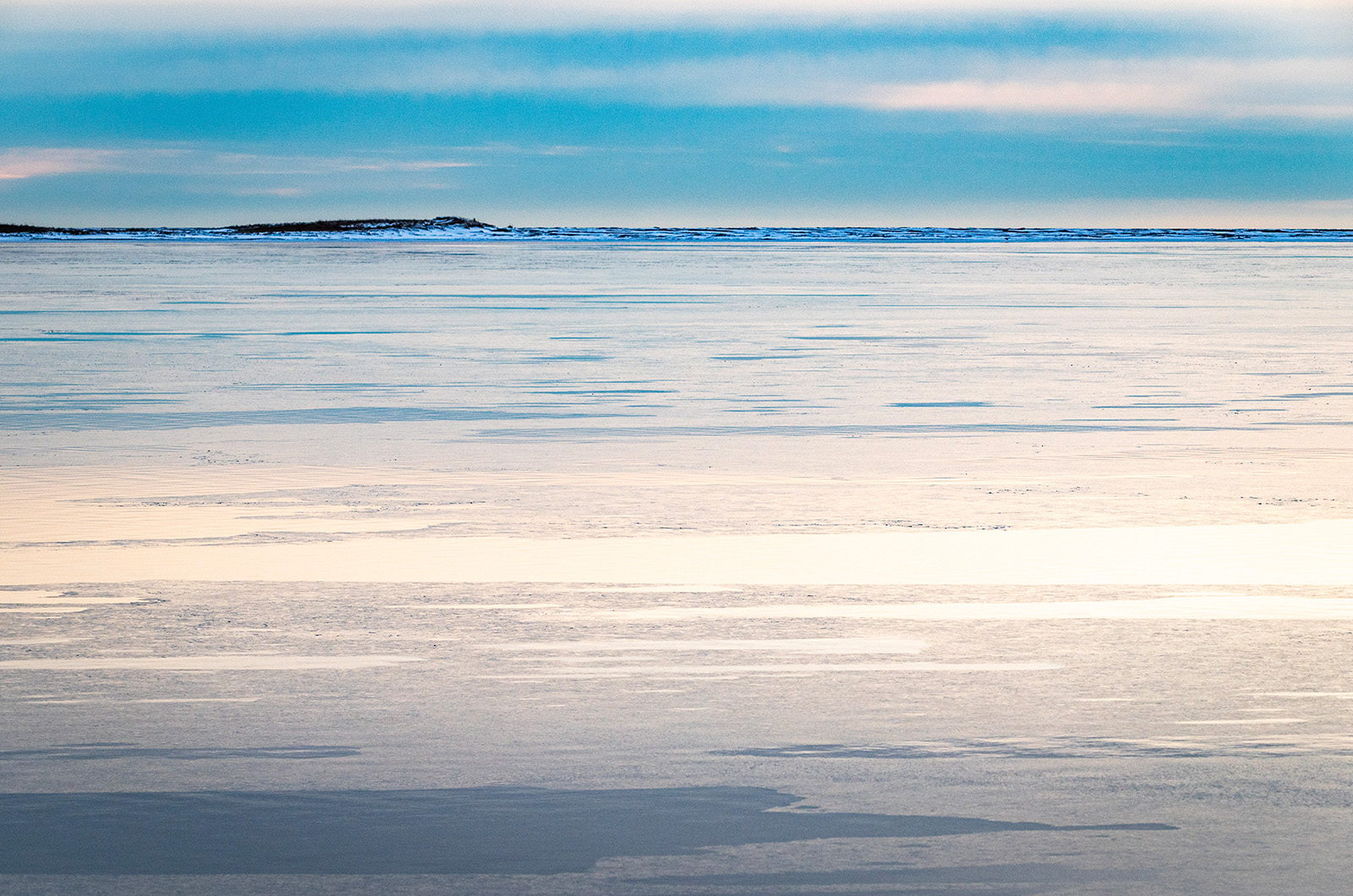
On our Island, the vast ocean and raw coast are places where the works of humans dwindle. For precious moments, they compel our attention away from the transactional parts of our ephemeral lives. We can be “raised for the moment above all willing, above all desires and cares; we are, so to speak, rid of ourselves,” wrote the 19th-century philosopher Arthur Schopenhauer.
It is strange but true that we can experience a sense of calm, a sense of profound relief, when we feel the earth’s indifference to our individual worries and desires.
But that power is at risk. The “big shore places” F. Scott Fitzgerald wrote about in The Great Gatsby, for example, or the giant ocean wind farms constructed off the south and west shores can have the opposite effect. They proclaim: I am powerful; my human works and cares are the central thing. They declare the authority of their human creators to blot out or transform nature.
I do not here advocate for or against mansions or wind farms, although I do recognize that wind farms may play an urgent role in solving grave environmental problems, and that houses come in many forms. But what I do advocate for are the words that help us comprehend the value of our natural surroundings, that help us grasp more completely what we lose by destroying them.
We can endlessly debate what to build, but we miss something when we measure value, compare costs and benefits, by using only sales prices, bedrooms, jobs, megawatts, pollution, endangered moths, groundwater quality, wetlands. A thoughtful debate must also include the less calculable aesthetic power of the land and the costs of its development — costs literature is uniquely able to describe. Books and poems and essays can render the felt value of nature more intelligible, define the costs of trading it away, and — I hope — help us make better choices.
Zeb Landsman lives in Aquinnah.
Comments
Well writen and inspiring.
Yoni edgartownWell writen and inspiring. Thank you Zeb.
I'm going to print and keep
Steve Ewing EdgartownI'm going to print and keep in my pocket. Thanks Zeb
Thank You! Your words
Enough Already OAK BLUFFSThank You! Your words enforce the the notion that humankind is but a pimple on the vast landscape of nature and though we may have an impact on our immediate location, the Earth as a whole is not in danger from such insignificance.
Add new comment