


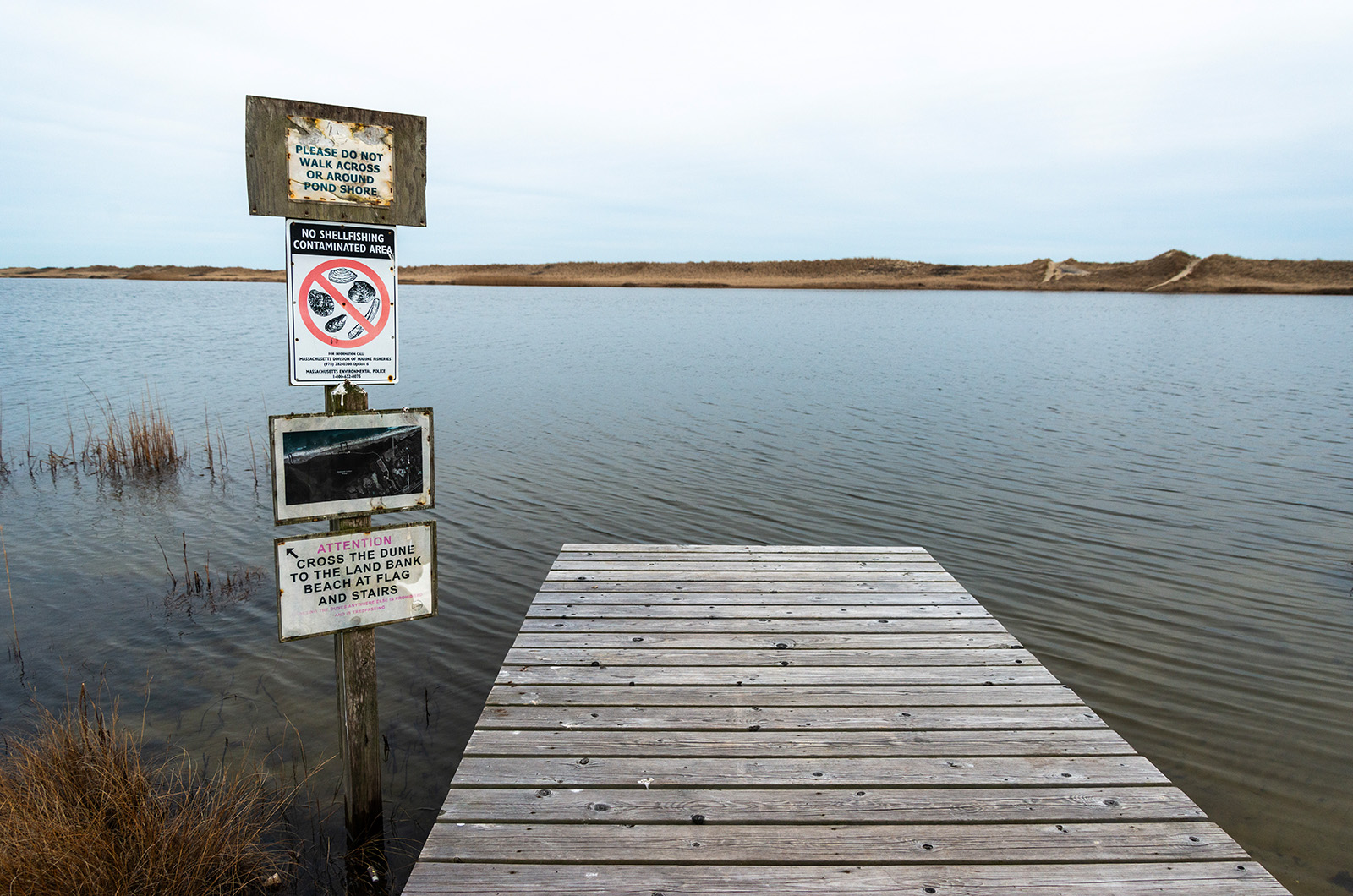
In the battle to prevent further pollution of the Vineyard’s ponds, Island officials are eying a new way of disposing human waste: cutting-edge toilets.
In the battle to prevent further pollution of the Vineyard’s ponds, Island officials are eying a new way of disposing human waste: cutting-edge toilets.
With a majority of the water contamination on the Island tied to septic systems, the Chilmark conservation commission is taking a look at eco-toilets, specifically urine-diverting toilets, as a way to cut down on nitrogen levels in Chilmark Pond.
“Eighty per cent of the nitrogen pollution that we experience is because of on-site wastewater systems, and the majority of the nutrients entering those on-site systems are entering in the form of urine,” said Brian Horsley, the project assistant at the Massachusetts Alternative Septic System Test Center, in an interview last week.

Urine-diverting toilets show promise, but have drawbacks.
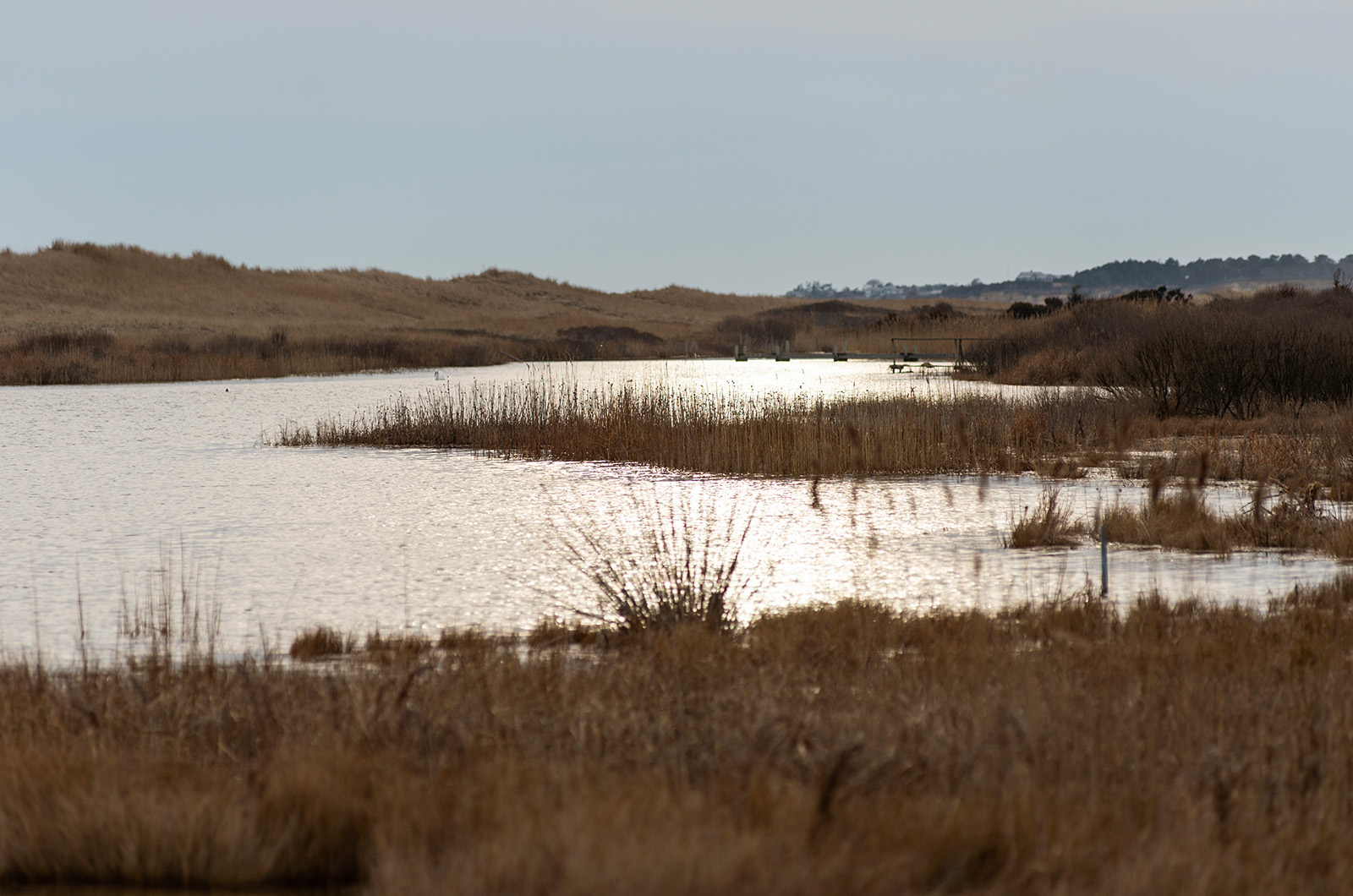
Urine-diverting toilets show promise, but have drawbacks.
The commission invited Mr. Horsley to the Vineyard last month for a forum in conjunction with the Abel’s Hill Association. There, Mr. Horsley highlighted efforts around installing eco-toilets in Falmouth which stop the nitrogen source from ever entering the pond, while also creating a potential new fertilizing source.
Eco-toilets come in various forms. Composting toilets don’t use water and treat human waste by composting it. Micro-flush toilets use less water, which leads to less water contamination further down the line. Urine-diverting toilets divide urine from solid waste in the toilet bowl, and the urine can then be processed separately to be used as a fertilizer product before it even goes into the septic system.
The Island’s interest in these types of toilets is growing, according to Chilmark conservation commission chair Sarah Khedouri, especially for those who live by Chilmark Pond, which has seen high levels of nitrogen for more than a decade.
“We’re starting to see these algae blooms appearing earlier and earlier in the summer and lasting longer and longer,” she said.
The toilets also are a cost-effective way to combat the problem, according to Mr. Horsley. While innovative/alternate (I/A) septic systems cost around $50,000 per parcel, one urine-diverting toilet costs around $10,000.
“We are advocates for those [septic] systems, but we’re also aware that they’re very expensive. That’s also going to drive up the cost of living,” he said. “It’s crazy to me that we aren’t more willing to look at alternatives, given the expense and the severity of water pollution that we’re experiencing.”
The Alternative Septic System Test Center is a research center through Barnstable County where scientists conduct studies, research and testing in wastewater. The center allows for research and development, product testing and outreach.
Mr. Horsley himself has been passionate about the potential of eco-toilets as one part of a multi-pronged approach to combat the high nitrogen levels. He has been working in Falmouth for almost three years to incorporate urine-diverting toilets into the town’s watershed plan. Right now, he is eyeing 25 toilet systems across four watersheds.
Urine-diverting toilets typically have a collection basin in the bowl that catches the urine and drains it to a storage tank. A service company can then collect the stored waste to dispose of it or convert it to fertilizer.
There is a hitch to the new idea, though. Right now, the state doesn’t have regulations that allow the new toilets to be installed. While composting toilets are in the state’s Title 5 code, which addresses septic systems, urine-diversion is nowhere to be found.
“The Department of Environmental Protection (DEP) is even struggling with just defining what it is in terms of their regulations. Is it wastewater? Is it septage? Is it biosolid?” Mr. Horsley said. “They’re trying to basically find a home for urine diversion systems to be approved within their existing regulations.”
To be truly effective at reducing nitrogen, the toilets also have to be used at scale, and the maintenance can be off-putting for some homeowners.

Chilmark Pond has had some of the worst water quality on the Vineyard.
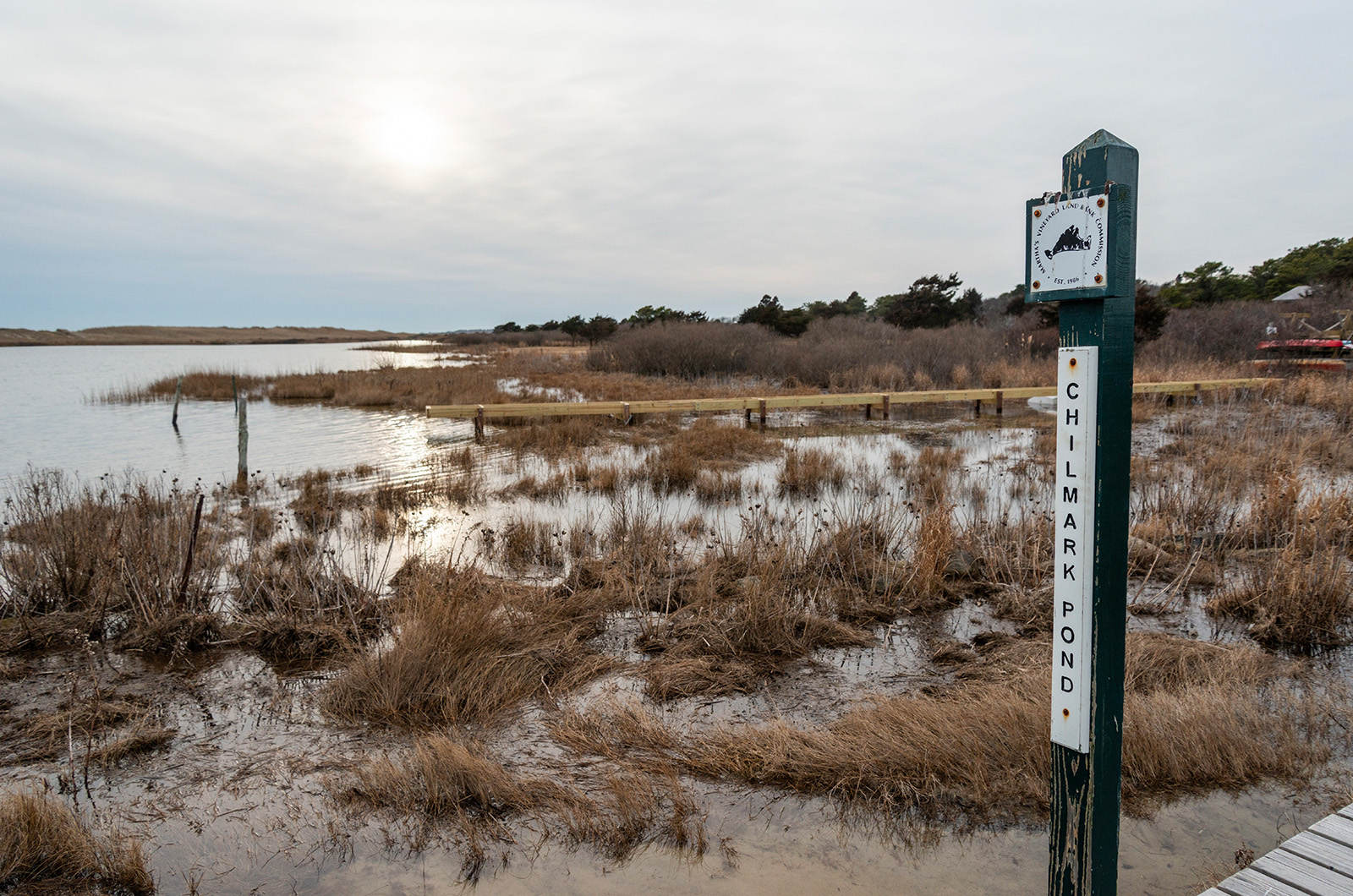
Chilmark Pond has had some of the worst water quality on the Vineyard.
Mr. Horsley has been working with the state to develop the necessary guidelines and permits needed. Ideally, he would be able to begin the project in Falmouth early 2026.
Cleaning up the Vineyard’s ponds have been a priority for years, but diverting the source has been hard, especially for the up-Island towns that are too spread out for sewers.
Earlier this year, the Chilmark Pond Foundation put a sonic wave-emitting buoy to prevent cyanobacteria blooms, the bright blue-green tell-tale signs of degradation, from forming.
In 2023, Tisbury changed the town's wastewater regulations to require properties in the Lagoon Pond and Lake Tashmoo watersheds to install I/A septic systems effective January 2024.
These measures were taken after the state DEP declared towns on Cape Cod must create and implement plans to reduce nitrogen pollution and improve water quality.
While those regulations didn’t include Martha’s Vineyard, Ms. Khedouri said they’re on the way.
“The scientific reports say our estuaries, our great ponds are in real trouble as far as environmental pollution,” she said. “There’s a certain awareness at the town level that there might be state regulations coming down, and there’s a desire to be ready and do something about it.”
Ms. Khedouri is optimistic about how these toilets could be used as another source of helping the health of the Island’s ponds and water systems.
“What’s fascinating about this approach is [that] we could just stop it all the source,” she said.
Comments
All these fancy gadgets are
Common Sense Chilmark Resident Near Chilmark PondAll these fancy gadgets are great and all but why are we not opening the pond to the ocean more? I understand the Chilmark Pond Association waits for optimal weather conditions etc to make the cut to the ocean but check their website: The pond has only been opened TWICE this year, the last being in April! Seems pretty obvious to me that a lot of algae will grow in a shallow water pond baking in the sun all summer with zero circulation, this should not be a surprise. I think in addition to these gadgets the island, or town, or association needs to dedicate some more cash to a gentleman with an excavator on a more frequent basis to open the pond to the ocean 5-10 times a year. Not to mention the benefit of opening the pond to drain to avoid the frequent flooding of neighbors basements due to high water levels.
No doubt better pond openings
Amy ChilmarkNo doubt better pond openings are an essential part of improving the pond's health. As President of the Chilmark Pond Association, I can relate that the Commissioners consider a number of factors including the pond's depth, the weather (no big storms on the horizon) and the tides (big tides are best) when deciding whether to open the cut. Without the right conditions, the pond may drain a bit, but will not get a healthy exchange of ocean and pond water, and could result in worse condition. The pond has become shallower both because of sand washing in during storms and plant matter decaying and adding to the nitrogen rich muck in the pond. Sand has collected especially around the cut area, impeding the exchange of ocean and pond water during a breach.
For this reason, the Chilmark Pond Foundation has spent the last five years getting the permits to dredge around the cut. The dredging has started and we all hope that the next pond opening will be a success.
Open the pond, skip the
Stop the insanityOpen the pond, skip the gadgets. I/A systems are expensive enough. Urine diverting toilets are expensive too. $10,000 a toilet so three in a 3 bedroom 2.5 bath house PLUS you still need to deal with solids. Enough already!
Urine diverting toilets are
Bryan Horsley Cape CodUrine diverting toilets are not $10,000 each. We received an estimate of $7500 to install one toilet which includes the cost of the toilet, the plumbing, and a storage tank with an alarm. To add additional toilets in a home with multiple bathrooms would not simply multiply that number. Cost will vary case by case but as far as we can tell this is among the least expensive approaches to manage residential wastewater. While pond inlet opening does help flush nutrients this reminds me of a common saying, "dilution is not the solution to pollution." We are each responsible to manage our individual impacts on our environment and controlling the amount of pollution we each emit is essential to protect and restore water quality.
Why can't they leave the
Charlie Callahan So Boston/EdgartownWhy can't they leave the opening to the pond open all the time,install knife gates for emergencies to close it off.Everything is made into a major project on this dysfunctional island.
I will say instead of wasting
Islander VineyardI will say instead of wasting all this money into urine separating toilets, instead funnel this money towards a different kind of solution. What about an underground large pipe or 2, 300 feet long to the ocean floor to keep a constant flow of sea water into the pond? I understand its difficult with the sand filling up the pipe or something but give the project idea to a Harvard class or something to figure out. These toilets are a joke long term.
Yes, the cost to add a
Peter Jones EdgartownYes, the cost to add a typical wood chip based nitrogen removal systems to an individual septic system is very high and the ongoing maintenance cost is substantial.
I're read about the Aquaback distillation technology. It looks promising since it just takes the liquid from the settling tank and distills out the nitrogen compounds along with other contaminants. I'm keeping it in mind if Edgartown ever requires individual treatment for homes with septic systems. It's a Massachusetts company that sell internationally, https://www.aquaback.com/coming-soon
Look at the system on
Albert GosnoldLook at the system on Penekese.
No wood chips.
Twice a year raking and some kitchen and garden waste.
No smell.
Add new comment