



On an Island where food insecurity is an ever-present issue due to the high cost of living, the dire impact of SNAP’s sudden suspension has Vineyarders scrambling to help those in need.
Last week, the Trump administration announced its intention to suspend the Supplemental Nutrition Assistance Program (SNAP) on Nov. 1 amid the ongoing government shutdown. Wendy Maseda, the public benefits caseworker for Dukes County, has spent the intervening days fielding panicked calls from Islanders who face losing their benefits.
Ms. Maseda manages a caseload of over 250 Island households reliant on SNAP — only a fraction of the total number of Vineyarders on food assistance, which was more than 1,000 and climbing in 2022. One of many calls that stuck with her this week was from an Island woman with cancer, whose expensive off-Island treatments have left her reliant on SNAP to afford food.
“She was crying on the phone, saying that she didn’t know what she was going to do,” Ms. Maseda said. “She was at a loss.”
This uncertainty is the reality for more than 1.1 million Massachusetts residents, and about one in eight Americans, who rely on SNAP to feed themselves and their families. Those who fall below a federal income threshold receive an average of $187 per month through the program, loaded onto an Electronic Benefits Transfer (EBT) card to purchase food essentials.

More than 1,000 Vineyard residents are on food assistance.
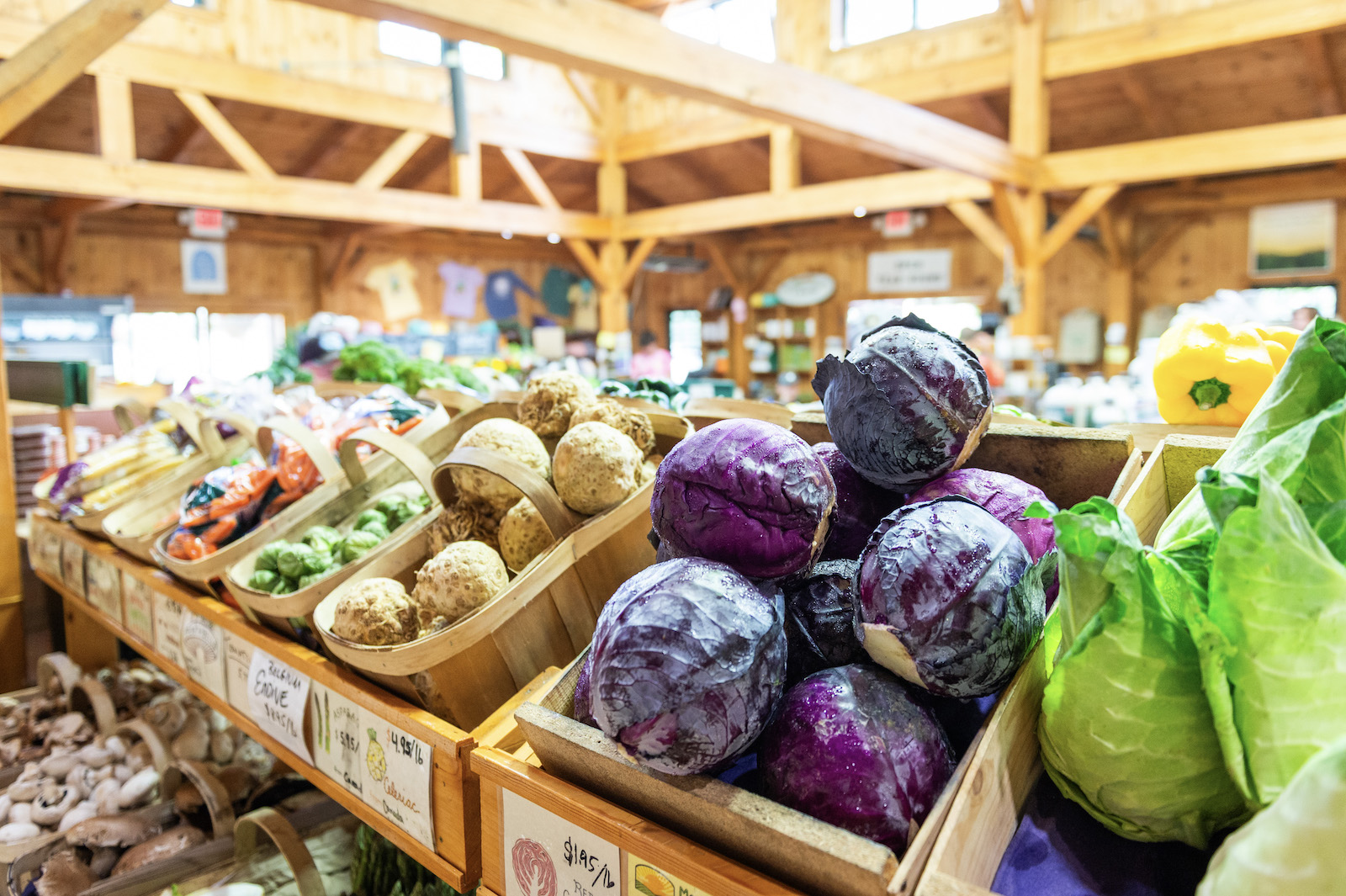
More than 1,000 Vineyard residents are on food assistance.
A large portion of SNAP recipients, both on the Vineyard and throughout the country, are seniors, children and people with disabilities.
President Donald Trump is the first president in history to halt SNAP during a government shutdown. The federal government has a financial reserve designed to protect food assistance in emergencies, which the Trump administration has chosen not to tap into.
“It’s unprecedented and unnecessary,” said Sarah Kuh, director of health and human service for Dukes County, who helps qualifying Islanders apply for SNAP benefits.
For many food-insecure Islanders, SNAP dollars make the difference between eating and going hungry. As the program’s indefinite termination looms, Vineyard food assistance programs are scrambling to brace for increased need.
Merrick Carreiro is the food equity director at Island Grown Initiative, an Island nonprofit that runs one of the Vineyard’s three food pantries.
One in five Islanders relies on Island Grown for food assistance. At the beginning of 2025, Island Grown reported serving 5,700 registered clients with an average of 400 people per week using pantry resources.
Island Grown also coordinates the Food Equity Network, an Islandwide collaborative of about 30 organizations that works to address food security and access on the Island. Members includes nonprofits, farms and health care centers, as well as the Island’s libraries, senior centers and schools.

Pantries are trying to bridge the gap.
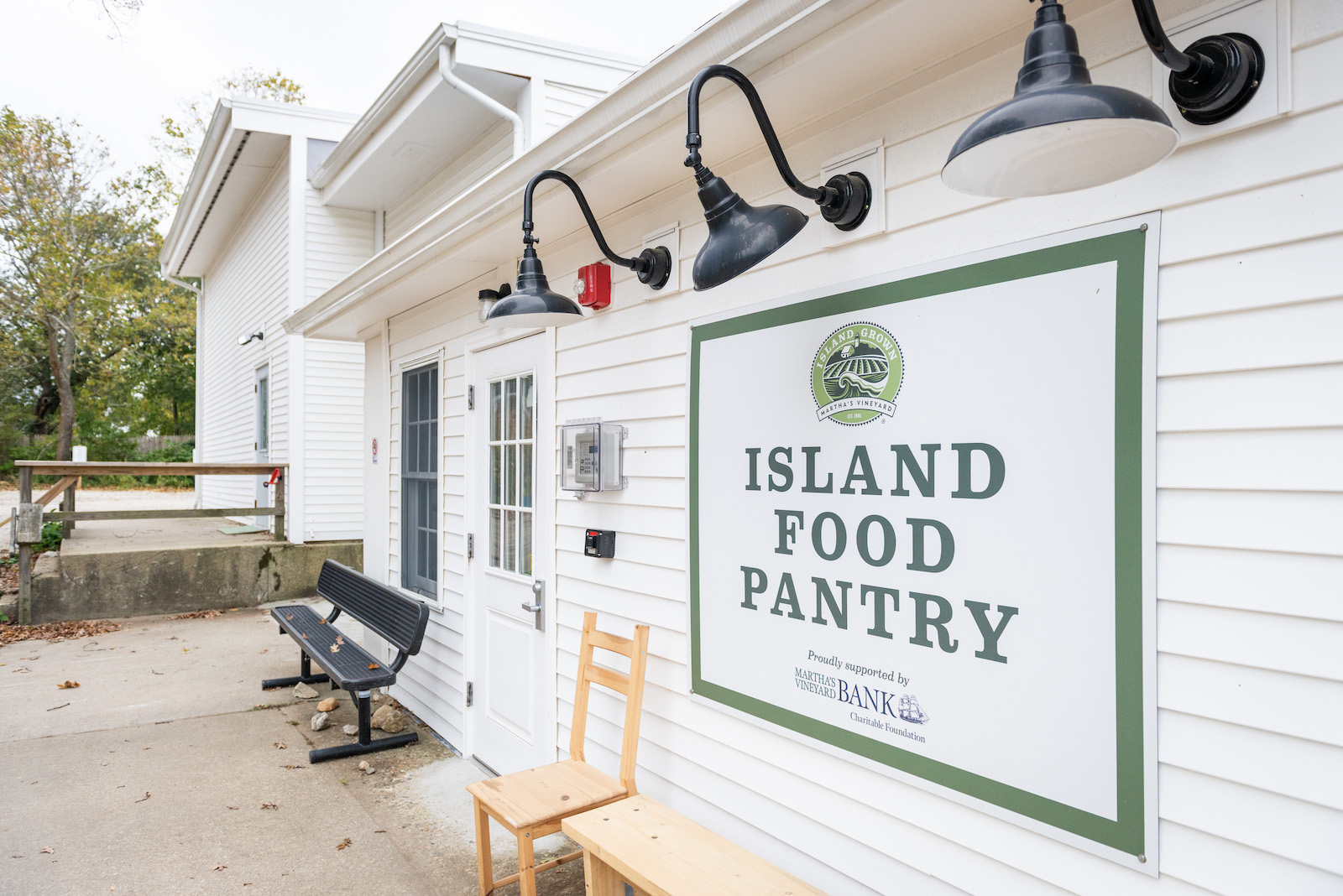
Pantries are trying to bridge the gap.
“Benefits have never been delayed due to a federal shutdown,” Ms. Carreiro said. “We are bracing for a significant increase in demand at the pantry.”
Food pantries and SNAP are both supplemental programs, meaning that neither is designed to meet 100 per cent of a community’s needs. When one piece of the food equity puzzle is missing, said Ms. Carreiro, it puts untenable strain on the programs that remain.
Many are already facing reduced incomes as the Island slides further into the off-season. With the holidays coming, Ms. Carreiro said it’s a particularly stressful moment for people facing food insecurity.
“You want to be able to celebrate with your friends and family, but when you’re worried about where your next meal comes from, celebrating feels like a luxury,” she said. “It’s really depressing, to be honest. It really is.”
Before the Trump administration announced its intent to halt SNAP, Massachusetts pantries were already preparing for tightened SNAP eligibility restrictions under the One Big Beautiful Bill Act (OBBBA), which is set to reduce or eliminate SNAP benefits for more than 150,000 Massachusetts residents.
“I think people were already bracing for that, but what nobody was bracing for was not having any money put back onto their cards,” Ms. Carreiro said.
One of the ways the OBBBA slashes SNAP eligibility is through a new minimum work requirement. According to Ms. Kuh, the Island’s federal designation as a seasonal economy previously loosened work requirements for Islanders seeking benefits. But in July, the federal government stripped the Island of its seasonal economy waiver, meaning new SNAP work requirements will hit the Island hard when work is scarce in the off-season.
“Adults age 18 to 65 without dependents will be required to work or volunteer 80 hours a month, which, in a seasonal economy, is challenging,” Ms. Kuh said.

Island businesses, including Morning Glory Farm, are stepping in to help.
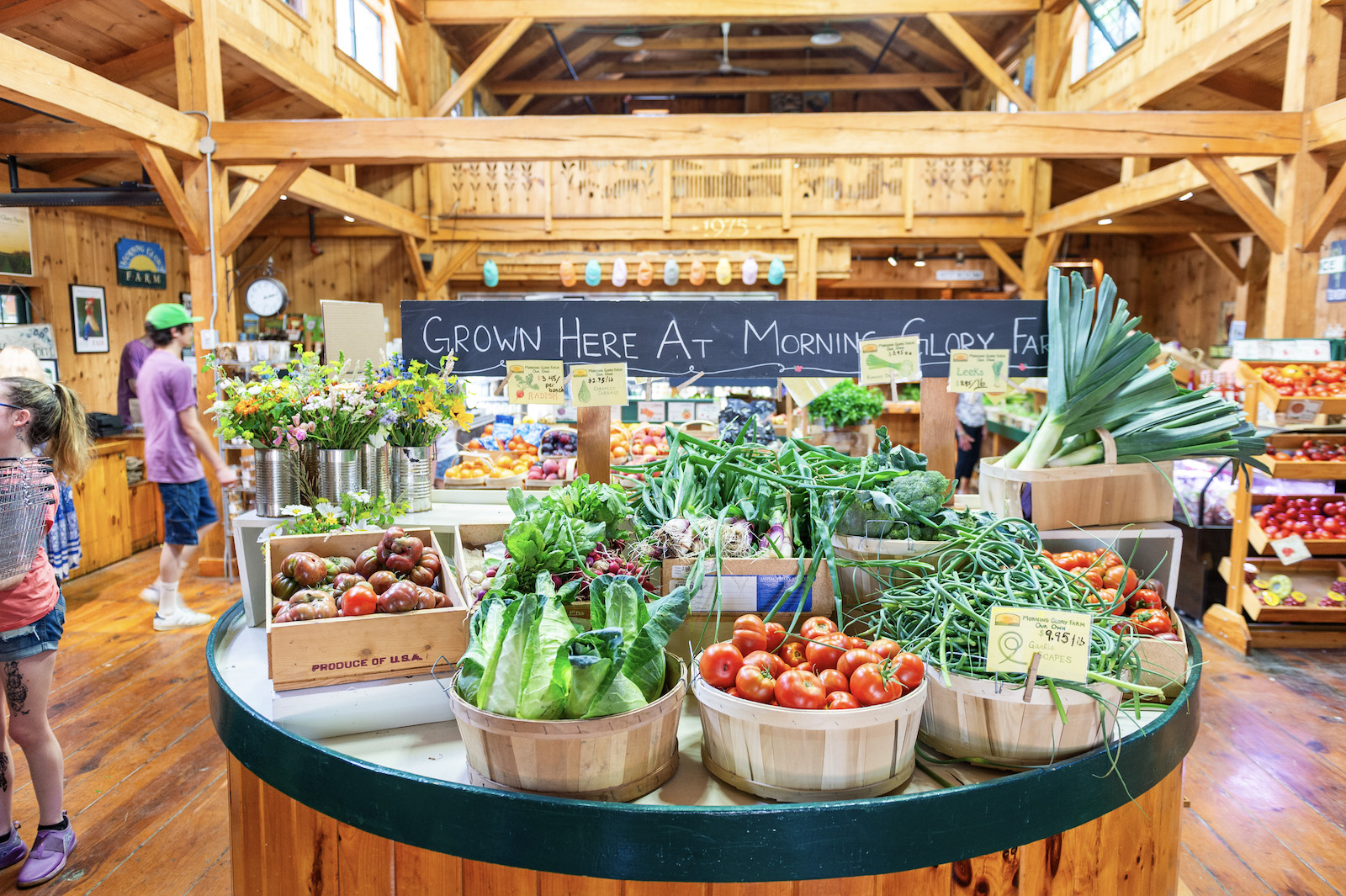
Island businesses, including Morning Glory Farm, are stepping in to help.
On an Island where food insecurity is an ever-present issue due to the high cost of living, the dire impact of SNAP’s sudden suspension and longer-term eligibility contraction is clear, acccording to Ms. Carreiro. But she noted that the loss will reverberate throughout the entire Island economy. According to the Food Research and Action Center, every dollar of SNAP cash spent generates up to $1.80 in revenue, meaning the market as a whole will take a hit.
“People need to remember this has a ripple effect,” Ms. Carreiro said. “That [SNAP] money is spent in local grocery stores.”
Morning Glory Farm in Edgartown is one of several Island grocers who accept SNAP dollars. Meg Athearn, operations manager at Morning Glory, said the store values its customers on food assistance.
“People use SNAP every single day that we’re open,” she said.
As a purveyor of Island-grown produce, Morning Glory also participates in the Healthy Incentive Program (HIP), a SNAP sister program that matches purchases of locally-grown produce by returning dollars spent on the goods to users’ EBT cards. The program gives users between $40 and $80 extra per month to spend on fresh food.
“The local produce becomes free because you spend the money, but then you get the money back on your card, and then you can spend that money how you want,” Ms. Carreiro said.
Ms. Athearn manages Morning Glory’s participation in HIP. According to her and Ms. Carreiro, HIP could be the ticket to some Islanders still accessing some of their benefits next month. While SNAP dollars will not be reloaded onto Islanders’ EBT cards in November, leftover SNAP dollars can still be spent and matched as part of HIP, even after Nov. 1. If a cardholder has a low EBT balance, HIP vendors can help them pay for items using multiple transactions, giving them the full benefit of HIP.

The loss of SNAP will strain other food programs, advocates said.
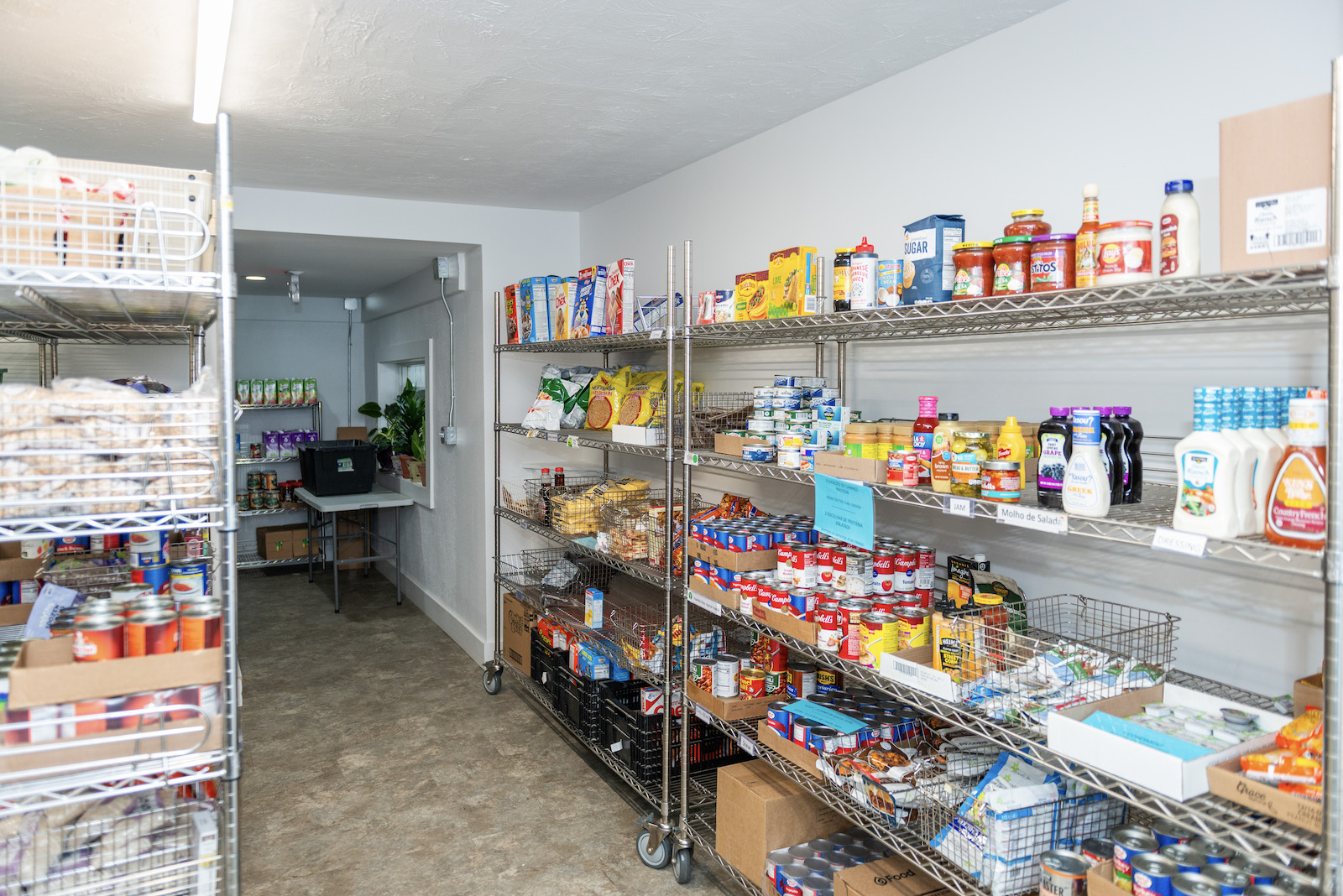
The loss of SNAP will strain other food programs, advocates said.
“If someone has $2 left in their SNAP and is buying $10 worth of produce, you can run the card 5 times, $2 at a time until you get to $10,” Ms. Carreiro explained.
Ms. Carreiro and Ms. Athearn are advising EBT card holders to keep as little as $1 on their balances so that HIP-participating businesses can help them still access their benefits.
Ms. Athearn said swiping an EBT card multiple times can be a lengthy process for vendors, but stressed that Morning Glory employees are happy to put in the work. She also urged customers who find themselves in line behind someone paying for their groceries with multiple transactions to have patience and compassion.
“Put yourself in someone else’s shoes,” she said.
Several Island businesses and organizations, including Morning Glory, are stepping in to bridge the gap SNAP will leave in November.
Morning Glory will soon start its community soup program, in which every pint of soup purchased will be matched with a quart sent to Island Grown. S&S Kitchenette in Vineyard Haven announced on Instagram that it will provide ready-to-eat meals and meal kits to SNAP users, free of charge, and other restaurants have also offered to help people in need.
Ms. Carreiro said the Food Equity Network has been strategizing to prepare for increased client volume at Island Grown and the Island’s other food pantries. The network is working on an updated map of places on the Island where people can get food assistance. Additional organizations offering food assistance include Good Shepherd Parish and the West Tisbury Library.
Ms. Carreiro stressed that while food assistance is readily available to Islanders through Island Grown and other organizations, no single local program can make up the difference alone. For people who want to help, she said monetary donations to programs like Island Grown will go a long way.
“We are very fortunate to have a strong food access network on the island,” Ms. Carreiro said. “We’re small enough that we can react quickly. I’m confident that through good communication [and] networking... we will rise to meet the need.”
Map courtesy of news partner MassLive.com.
Comments
This problem could be
Enough Already OAK BLUFFSThis problem could be prevented today if the Senate Democrats would stop voting against re-opening the government. Shame on them!
The GOP controls all 3
Tim Johnson TisburyThe GOP controls all 3 branches of the federal government and can pass a federal spending bill-
- but they need to take one up first. Details, Details.
BINGO.
America sea to shining sea.BINGO.
There are funds to support
HKim EdgartownThere are funds to support SNAP ready to go and the president is refusing to release them because of his own vituperative nature. Shame starts with him.
EA, do not want to spark a
Chris EdgartownEA, do not want to spark a political debate, but, respectfully, it is not that simple. Democrats want a bill that extends expiring tax credits so that health insurance is affordable for millions of low income Americans. Also to reverse cuts to Medicaid made earlier in the "beautiful" bill. The latter would help elderly, disabled and low-income folks. Republicans are not providing that in their versions.
This problem could be
left-of-center chilmarkThis problem could be prevented today if the Senate Republicans would stoo voting to eliminate hugely necessary healthcare subsidies.
Shame on them.
maybe this comment will
James Oak Bluffsmaybe this comment will finally get posted:
Can the gazette confirm this quote “One in five Islanders relies on Island Grown for food assistance.” I’ve lived here 60 yrs a know of exactly zero people needing island grown for food assistance. Seems like a crazy high percentage.
James - Not exactly sure who
John VHJames - Not exactly sure who you know? or who you hang out with. The Gazette’s information comes from Island Grown Initiative who operates the island’s largest food pantry. They serve over 5,000 clients annually. When measured against the island’s year-round population, it comes out to between one in every four and five people. Pretty simple math and documented facts. You appear to be fortunate enough to not be impacted.
documented facts.
United we stand, divided we
jb2 OBUnited we stand, divided we fall. America is in trouble.
Add new comment