
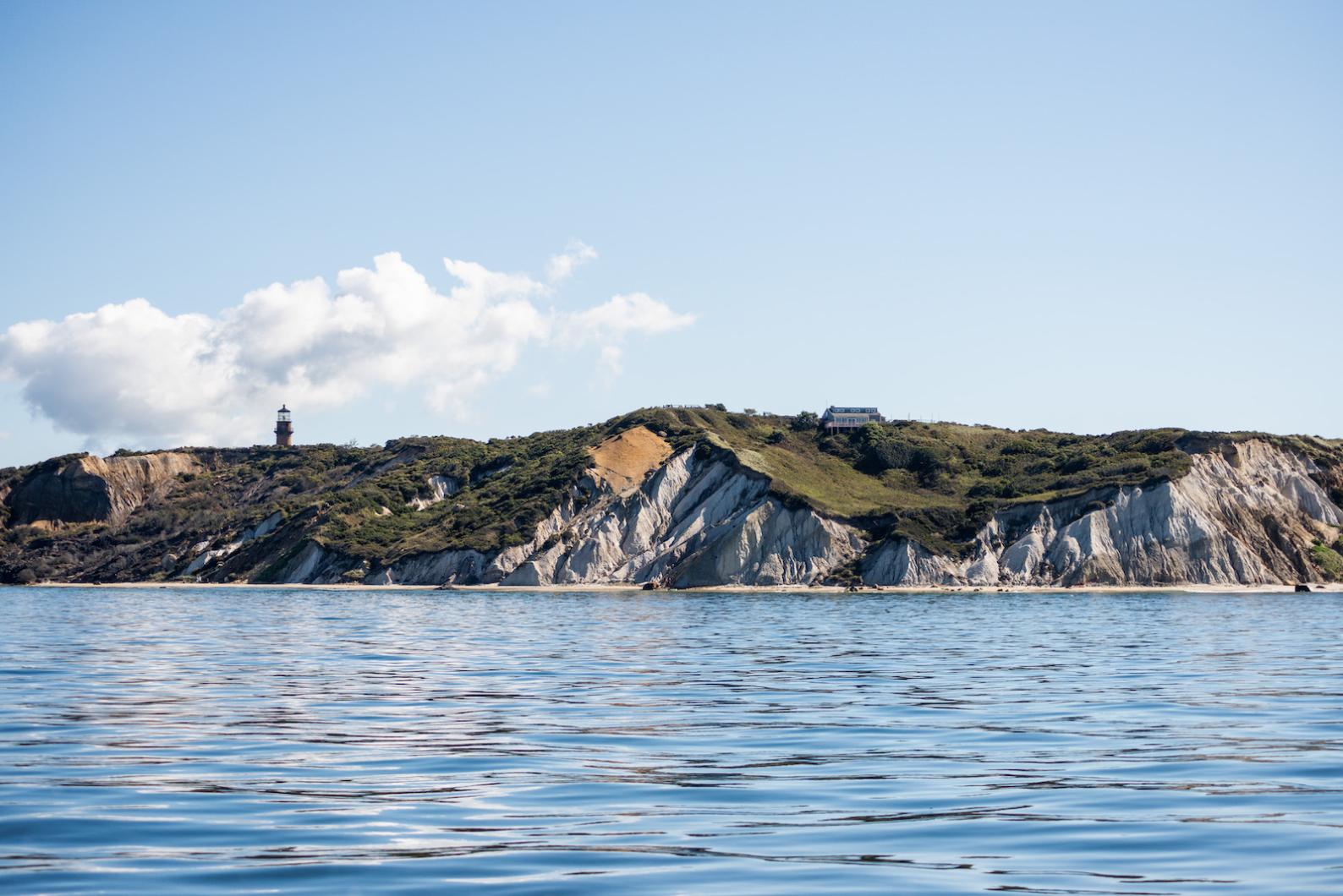
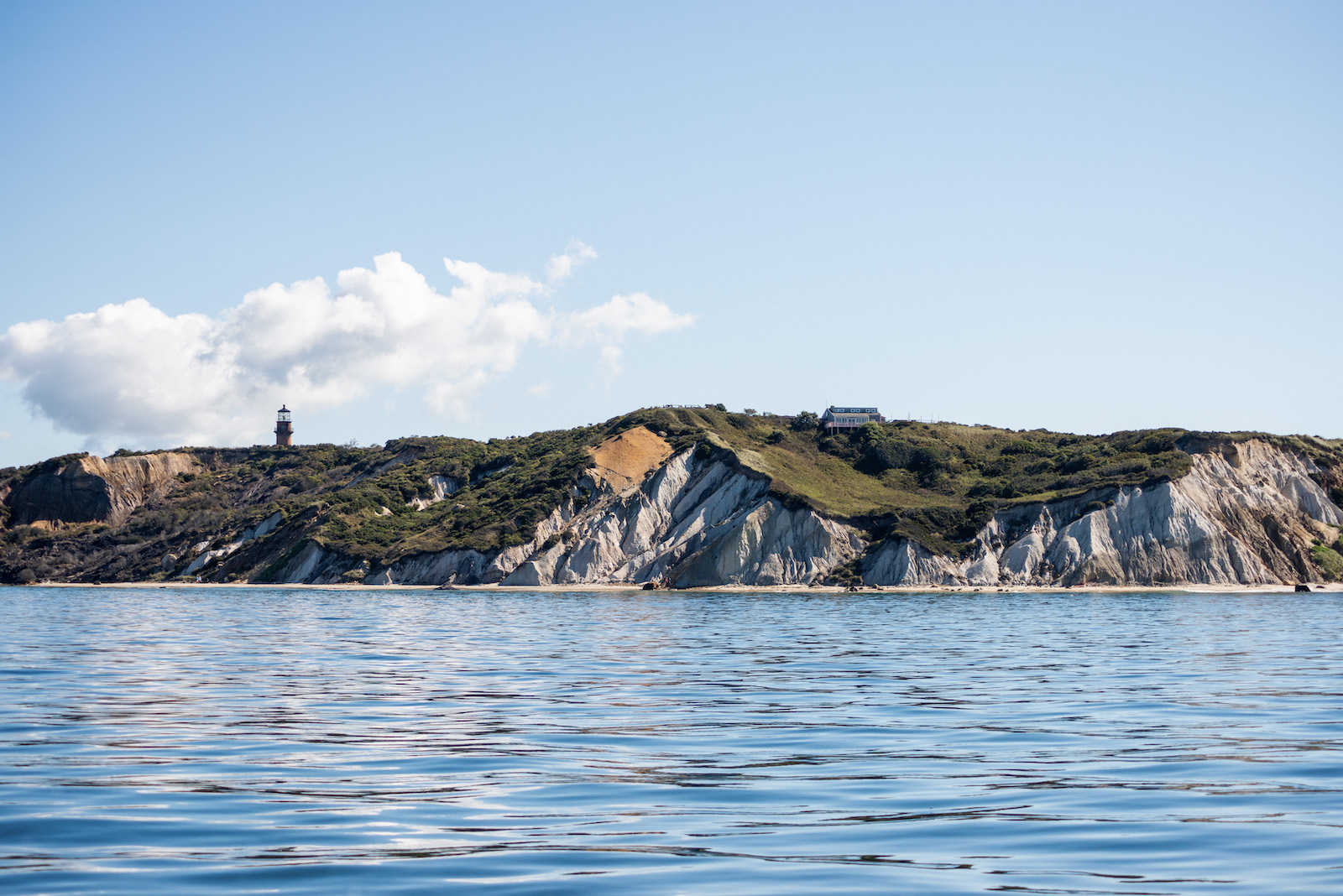
Aquinnah tribal council chairwoman Cheryl Andrews-Maltais said that Robert F. Kennedy Jr. listened to concerns on tick-borne illnesses, avian flu and tularemia.
Robert F. Kennedy Jr., the nation’s Health and Human Services Secretary, heard health concerns from the Wampanoag Tribe of Gay Head (Aquinnah) at a federal tribal advisory meeting Tuesday.
Mr. Kennedy visited the Island for an annual three-day meeting with the HHS Secretary Tribal Advisory Committee (STAC), where 17 tribal delegates informed him on critical health priorities in their regions. Each year the meeting is hosted on a delegate’s homeland and this year it came to Aquinnah for the first time.
Aquinnah tribal council chairwoman Cheryl Andrews-Maltais, who is an at-large delegate, told the Gazette that Mr. Kennedy listened to universal concerns from the tribal delegates and Island health issues the Aquinnah tribe faces.
The chairwoman and Aquinnah tribal council voiced local concerns about tick-borne illnesses, such as Lyme disease and alpha-gal. The tribe also conveyed worries about avian flu reaching bird flocks and tularemia, an infectious disease that can be spread by dead or decaying animals.

Robert F. Kennedy Jr. at the Martha's Vineyard Airport on Wednesday, leaving the Island after taking part in the Health and Human Services Secretary Tribal Advisory Committee.
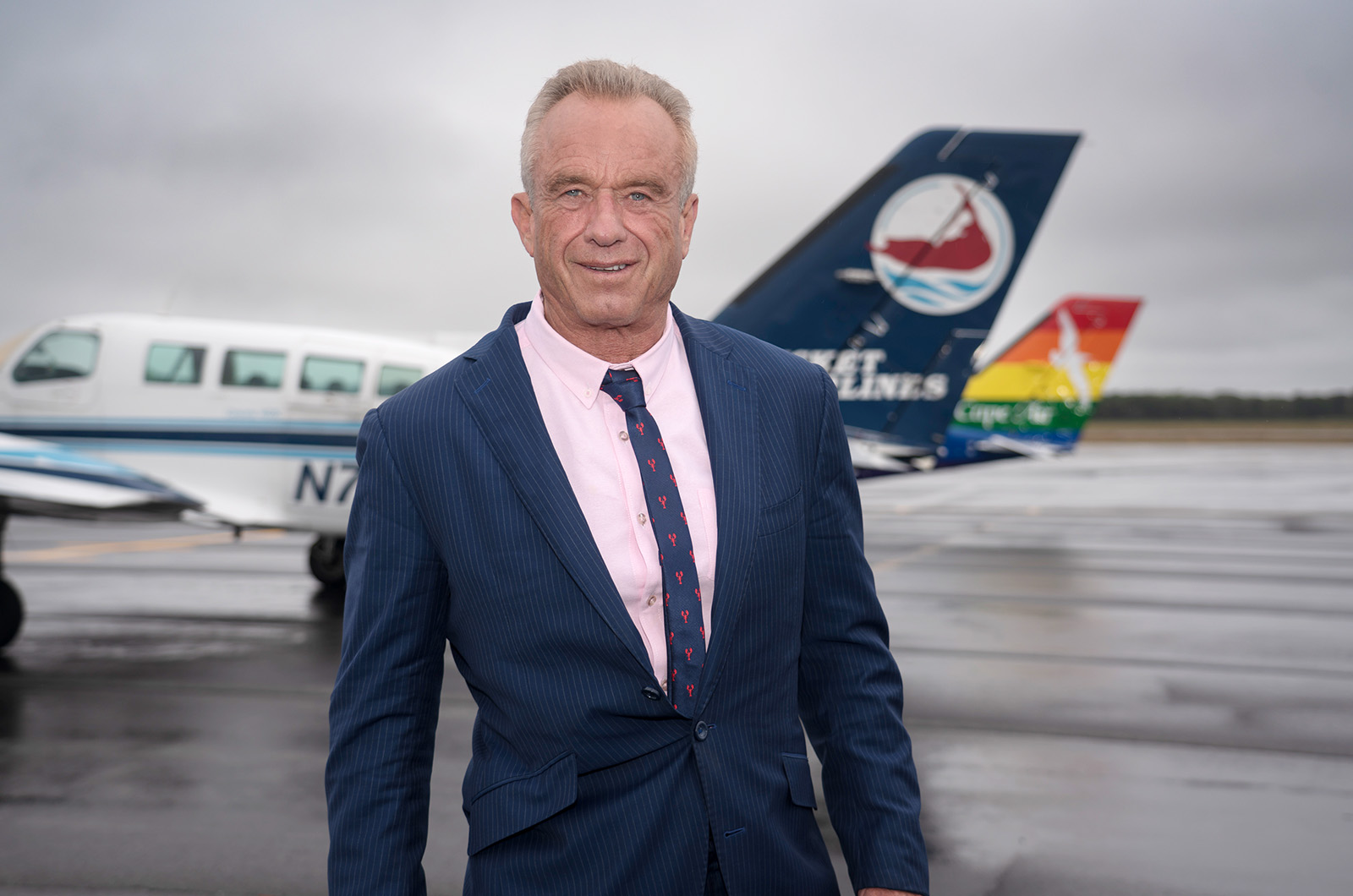
Robert F. Kennedy Jr. at the Martha's Vineyard Airport on Wednesday, leaving the Island after taking part in the Health and Human Services Secretary Tribal Advisory Committee.
Mr. Kennedy attended a meeting with STAC and other HHS officials, and health concerns were readdressed to the secretary in informal conversations outside of the meeting, according to Ms. Andrews-Maltais.
“We have to have that dialogue, and it has to be open and it has to be candid,” she said. “That’s the one thing that we’ve been very grateful for that Secretary Kennedy is always willing to sit down and listen.”
Ms. Andrews-Maltais said Mr. Kennedy seemed to understand the tribe’s concerns.
“If things come out to the contrary of what our discussions are and what our expectations are, we will continue to advocate for ourselves to whatever level we need to,” she said. “Our responsibility as tribal leaders is to protect the health, safety [and] wellbeing of all our community members.”
The meeting was closed to the public, but members of the Aquinnah tribal council were allowed to attend.
Ms. Andrews-Maltais said one tribal council member who has alpha-gal told the secretary about the syndrome, which can make people allergic to red meat and other mammalian products, and the chairwoman shared findings from a Centers for Disease Control and Prevention study that tested tribal members’ blood for Lyme disease a couple years ago.
Ms. Andrews-Maltais said Mr. Kennedy had informal conversations about vaccinations and listened to explanations on how federal restrictions go against tribal sovereignty. In August, the FDA restricted Covid-19 vaccines to adults ages 65 and older, along with kids and adults with at least one medical condition that puts them at risk of severe illness.
The chairwoman said tribal communities are multi-generational and the tribe is the best determinant for how to serve the health care needs of its people. She said HHS assured delegates that tribes would be in a position to make determinations on the health care of their people.
Ms. Andrews-Maltais said the Aquinnah tribe reminded HHS that people of the Wampanoag Nation are survivors of a catastrophic plague that killed thousands and weakened the nation significantly in the 1600s after first contact with European colonizers.
“When we’re looking to protect the health and safety of our people, we will do whatever it takes because 400 years later we’re still here despite attempts to remove us,” she said.
Ms. Andrews-Maltais said STAC delegates spoke against funding disparities negatively impacting their communities health and wellbeing. She said the financial obligation of the United States for the health care of its Indigenous peoples is around $70 billion, but tribes only receive around $20 billion.
“The disparity of the funding is what’s been creating a lot of health issues for us,” the chairwoman said.
The committee also relayed concerns about diabetes, which is exponentially higher in Native communities, she said. The need for the United States Department of Agriculture to lift restrictions preventing tribal members from enjoying their traditional diets was also raised.
Ms. Andrews-Maltais said, to her knowledge, the subject of treatment and purported causes of autism, which were raised by Mr. Kennedy and President Donald Trump on Monday, were not discussed.
After the meeting, Mr. Kennedy attended a cultural night where tribal members danced and the Black Brook Singers performed.
“It was like having a powwow, just for the federal agencies and the tribal leaders...” she said. “I have to say that it’s the first time I’ve ever seen that much participation in the social part of [the meeting].”
Ms. Andrews-Maltais acknowledged the protests along State Road as Mr. Kennedy made his way to the STAC meeting, and said it is important for the tribe to work with whichever party is in power to protect the tribe’s interest.
“I just want to say that it’s unfortunate that people choose to use media as a way of expressing themselves,” she said. “One of the issues that we always know is when it’s election years, people tend to do things in order to make their position known with as much notification or as widely broadcast as possible.”
Ms. Andrews-Maltais said oftentimes people don’t understand what these meetings entail, and those doing the groundwork aren’t allowed to attend because the subjects don’t get that granular. She said the STAC meeting was focused on policy.
While protestors are entitled to their opinion, Ms. Andrews-Maltais said she defends her invitation to Mr. Kennedy and HHS.
“We try to build a working relationship, irrespective of what the administration’s position may be because our issues are bipartisan,” she said. “Tribal nations have to work through, no matter who’s sitting in the White House, no matter who’s sitting in those secretarial positions, because we need to get what we need to get from the United States to honor their trust and treaty responsibilities.”
Comments
Great article - balanced and
M Zedalis EdgartownGreat article - balanced and informative. I commend Ms. Andrews-Maltais for being open to the visit by Sec. Kennedy, and looking out for the best interests of the tribal nations. All Vineyarders should follow her leadership!
Thank you for publishing an
Caroline Flanders West TisburyThank you for publishing an article not centered on RFK Jr., but instead centered on the substance of this annual meeting of Indigenous leaders that was hosted for the first time in Aquinnah.
The administrations budget
Jim West TisburyThe administrations budget for 2026 proposes nearly $1 billion in cuts to Native Americans including more than $700 million in cuts to the Bureau of Indian Affairs and $239 million to tribal housing programs.
Add new comment