


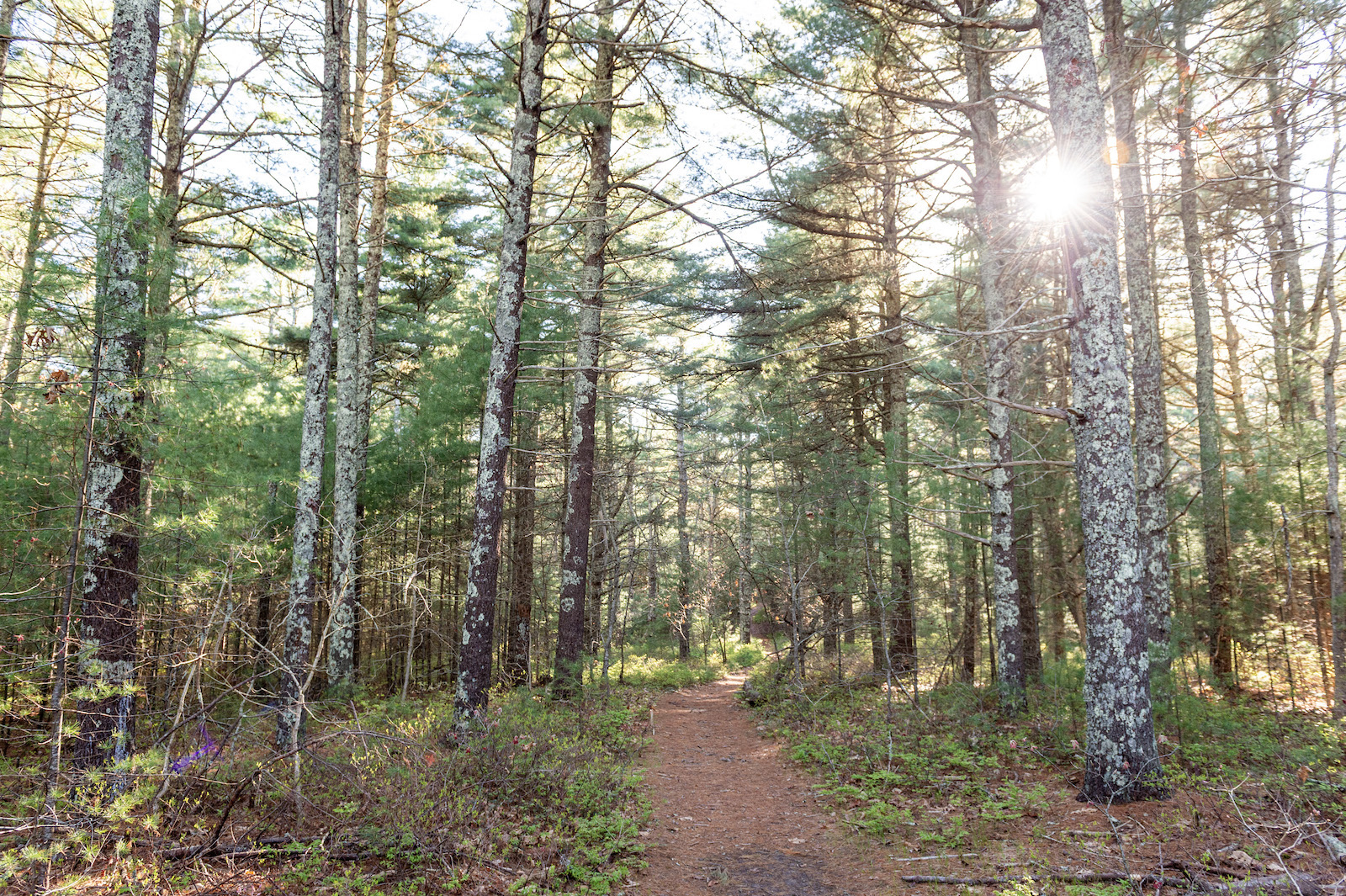
The forest cutting was sought by DCR to restore the globally rare sandplain grassland habitat that has been overtaken by the pines, which were initially planted decades ago as part of an ill-fated lumber industry on the Island.
A much-criticized plan to thin out white pine plantations in the Manuel F. Correllus State Forest received the sign off from state officials recently, allowing the cutting of 52 acres of conifers to proceed.
After hours of debate in numerous meetings, a robust public comment period, and a petition signed by hundreds of people who were against the plan, the state service forester approved on July 2 the Massachusetts Department of Conservation and Recreation (DCR) cutting plan and work could start as soon December.
The forest cutting was sought by DCR to restore the globally rare sandplain grassland habitat that has been overtaken by the pines, which were initially planted decades ago as part of an ill-fated lumber industry on the Island.
The proposal has been controversial, with many Vineyarders arguing against the cutting of the pines for recreational, aesthetic and climate reasons.

The pines were planted decades ago when the Island attempted to start a lumber industry.

The pines were planted decades ago when the Island attempted to start a lumber industry.
But Island ecologists and firefighters have said that getting rid of the dense plantations of conifers will not only support rare species that call the Island home, it will reduce the risk of a large fire in the crowns of the trees.
“The way that it is now really limits our ability to provide management and suppression in the event [a fire] gets going,” said Edgartown fire Chief Alex Schaeffer.
DCR will collaborate with the Martha’s Vineyard Commission state forest task force to draw up bid documents to pick a contractor to implement the plan. A final version of the request for proposals is expected to be advertised in the fall or early winter, according to DCR.
Though DCR aims to eventually cut a total of 175 acres of white pines to comply with a previous order from the state Natural Heritage and Endangered Species Program, the agency is starting with 52 acres over two areas in the southeast corner of the 5,300-acre forest.
This initial phase was reduced from a previous proposal to start with 79 acres — a result of creating buffer zones around some of the trails in the cutting areas. Dan Doyle, the MVC’s special projects planner, said he viewed that as a sign that the state was listening to Islanders’ concerns.
“I see those buffers as an indication that the community has been heard,” he said. “Not everyone’s going to be happy with the plan, but it’s certainly shifted since it was first presented.”
One area marked for cutting would include four, three-acre patch cuts near fire lane 11 in Edgartown. DCR said it will study this preliminary work before proceeding on to 40 acres beside the bike path near fire road 12.
“Removing non-native white pines and restoring native-barrens oak woodland communities will create a healthier ecosystem, reduce wildfire risk and promote variety of life,” a DCR spokesperson said in a statement this week. “This restoration project is important for the long-term health of the forest, ensuring it continues to support wildlife and the community for future generations.”
In its approval of the plan, the Natural Heritage and Endangered Species Program put in place some conditions. Worried about the potential for rare species to be affected during the work, the state will only allow DCR to access the cutting areas via existing fire roads and paved roads.
Any vehicles or equipment brought to the site are required to be washed before entering the site, and equipment will need to be staged on the existing paved paths or the travel corridor.
Any coarse woody debris left in the existing sandy areas would have to be raked up, according to a letter from natural heritage assistant director, Jesse Leddick, to the state forester.
The cutting, which will only take place between November and April, is expected to also produce 201,000 board feet of white pine and about 2,600 tons of wood chips. The MVC task force met last month with people who were interested in using any of the pine that will be harvested.
“It was a good turnout. There was definitely some interest,” Mr. Doyle said. “Scaling it back is going to hopefully increase the amount we can put to good use out here.”
DCR has proposed a Dec. 1 start date, though much of the timing will depend on how long it takes to put out the request for proposals, the quality of the bids and schedules of the contractors.
When DCR held public comment on the project earlier this year, a majority of the more than 100 people who weighed in were either outright against the cutting, or urged a pause to consider the project further.
Some wrote in to say they loved to see towering white pines overhead. Others worried about the negative effects cutting trees down would have on carbon sequestration.

A request for proposals for the cutting is expected to be sent out later this year.
A request for proposals for the cutting is expected to be sent out later this year.
David Foster, a Vineyard resident and the former director of the Harvard Forest ecological research program, said the state’s goals to preserve biodiversity were running up against efforts to curb climate change.
“I think that what we have is two state priorities that are running in direct opposition to themselves,” he said. “The governor has made it very clear that climate mitigation is a major priority, but she’s also made a priority of biodiversity and in this case those two priorities butt right up against each other and in opposition.”
He also worried about DCR’s ability to carry out such a plan given the agency’s track record on the VIneyard in the past, which he said was riddled with “broad-scale negligence.”
“It’s these long-term initiatives that really worry me,” he said.
Still, many local ecologists feel it will be beneficial for the Vineyard and for the shrubby sandplain landscape that has largely disappeared elsewhere in the world. While carbon sequestration can be made up in other parts of the state, few other places can host the rare habitat.
Tim Boland, the executive director of Polly Hill Arboretum in West Tisbury, told officials earlier this year that data shows that the state forest is one of the last refuges for sandplain plants, which are already under pressure due to climate change and habitat destruction.
“The white pine plantations create a fragmented ecosystem,” he wrote to DCR earlier this year. “With thoughtful removal, the habitat for New England’s rarest plants would increase, not decrease.”
Comments
I trust the ecologists. Bring
AnonymousI trust the ecologists. Bring back the native plants!
How about donating the wood
Charlie Callahan So Boston/EdgartownHow about donating the wood to be used for affordable housing ,or would that be VOTED down as unfeasable on this island
That affordable housing would
Native EDGARTOWNThat affordable housing would need a location. How about carving off a slice of your Edgartown property?
Is this a press release by
Johanna Hynes Charlestown MAIs this a press release by DCR or an attempt at journalism? Either way the gazette should do a better job when it comes to fact checking. To say that ‘hundreds’ of people have signed a petition opposing the clear cutting of 175 acres of white pine forest when they know full well that over 1000 signatures have been collected makes me wonder if there might be a conflict of interest here. And would all the white pine haters please stop with the ‘non native’ narrative as justification for this heavy handed deforestation project. It’s getting old. Seems like the gazette would like its readers to think that the State’s “ok” makes this a done deal. Think again. The DCR has skipped some serious steps in its environmental review process - and the gazette has barely scratched the surface of the full story.
I love white pines. I really
John M.I love white pines. I really do. But they are not rare, and were planted decades ago as part of an ill-fated experiment. Sandplain grasslands, on the other hand, are the native ecosystem of this former glacial outwash area. And they are GLOBALLY RARE. This clearing has the potential to begin an exciting and worthwhile large-scale restoration project that truly deserves our support. Sometimes ecologists and land managers have to make hard choices, and in this case the grasslands are the priority.
All it takes is one look at google earth. The underlying soils, topography, and natural drainage patterns of the former grasslands still remain under those forests. What it will take is a little management (and courage) on our part, and the sandplain could once again thrive. We can begin healing this long-neglected region of our unique island!
Add new comment