

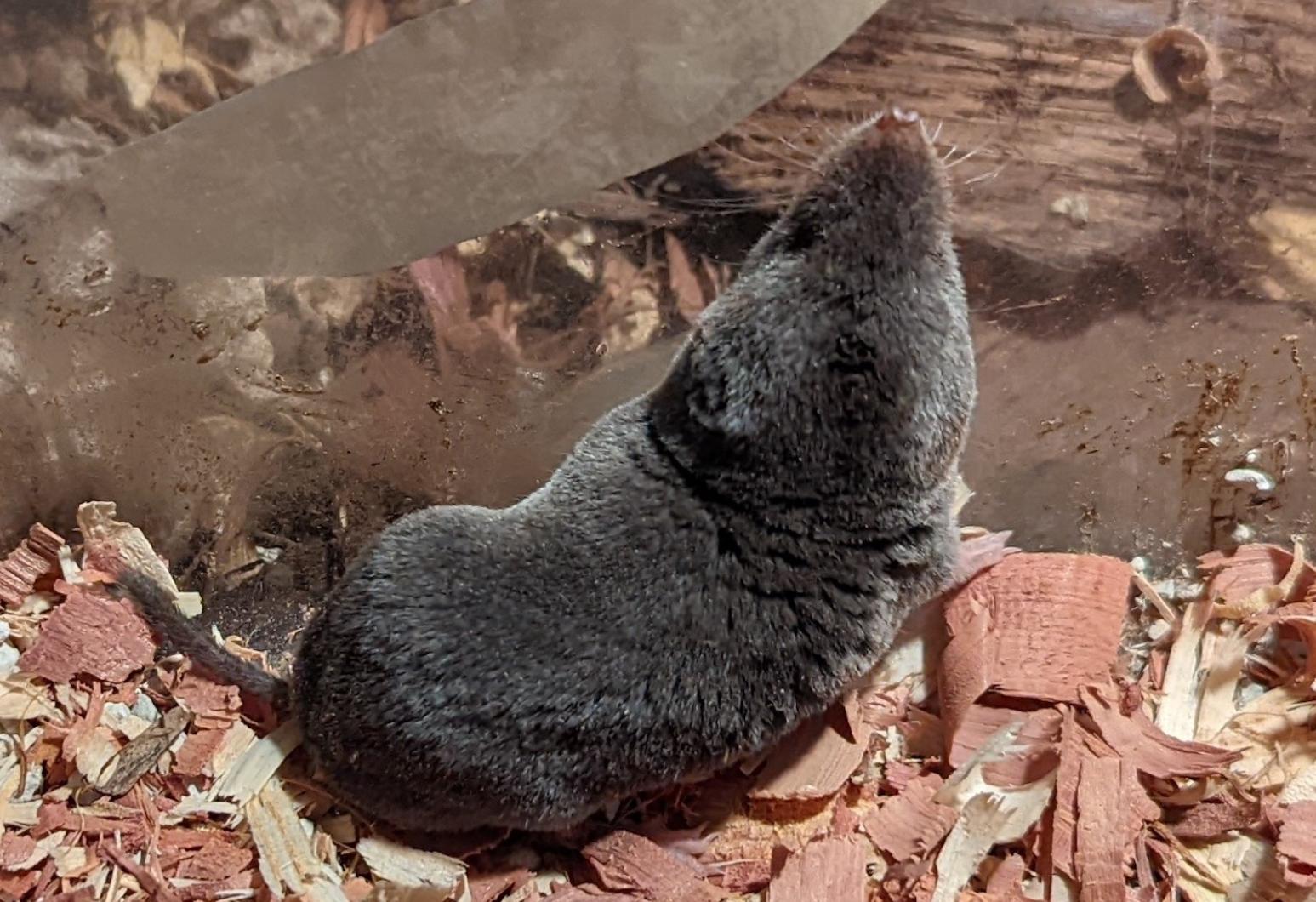
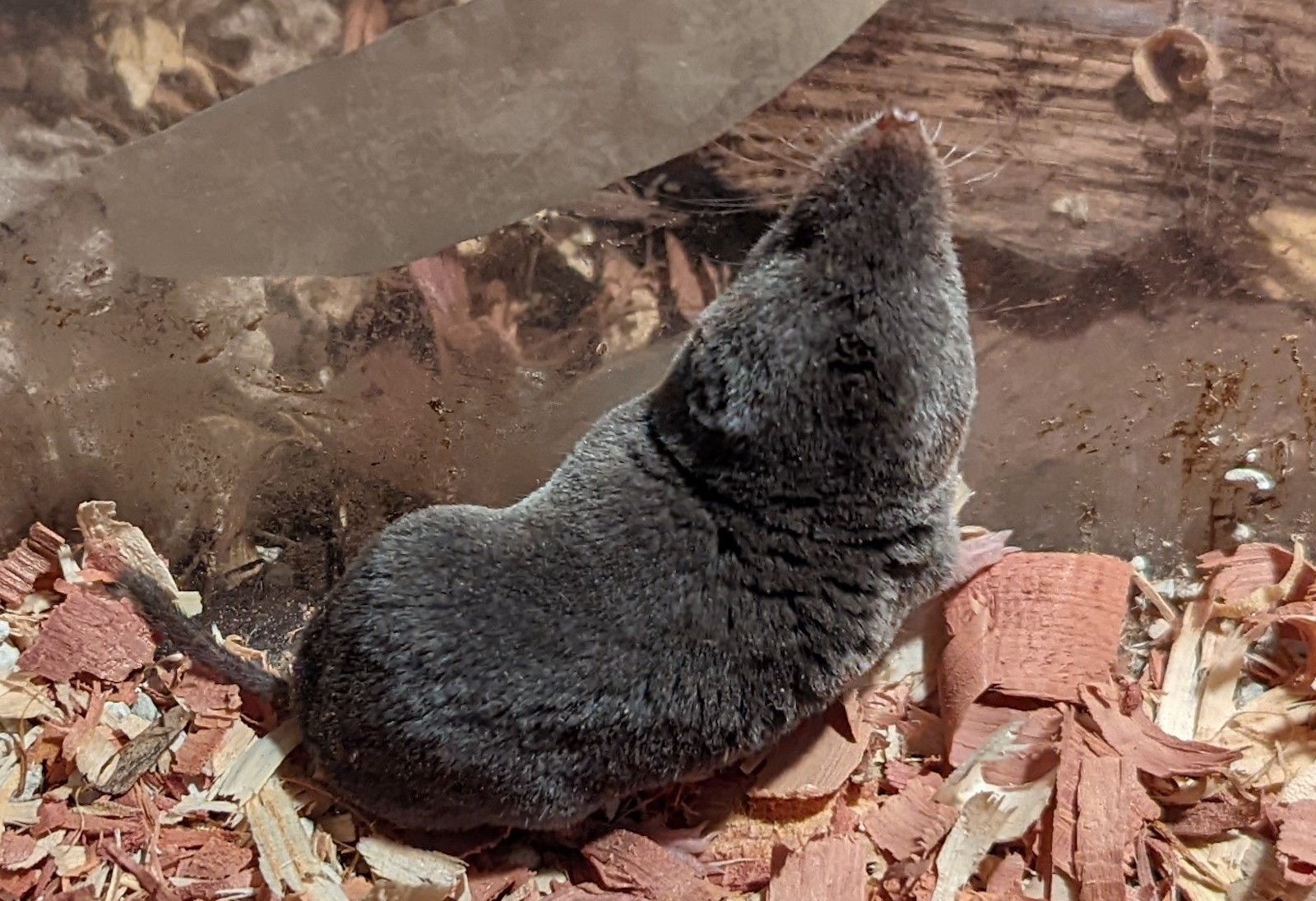
In a new study, scientists say they found more infected ticks had fed on shrews, upending the common belief that white-footed mice were the main culprits.
For years fingers were pointed at the Vineyard’s white-footed mice.
The small critters have long been believed to be the driving force behind the spread of Lyme disease on the Island, passing the disease onto ticks which then give it to humans. But new research indicates that the mice may have been taking the rap for a more mysterious mammal: the shrew.
Scientists at Tufts University and with the Vineyard tick-borne illness program found after years of study that the pointy-nosed insectivores are a major host for Borrelia burgdorferi, the agent of Lyme disease. The finding turns decades of research on its head and is making experts rethink methods of trying to curb Lyme disease, most of which were aimed at mice.
“Shrews are a real surprise,” said Heidi Goethert, the head Tufts scientist behind the new study. “They were the dominant host for the whole time, and that’s just crazy.”
A tick crawls on a deer hide.
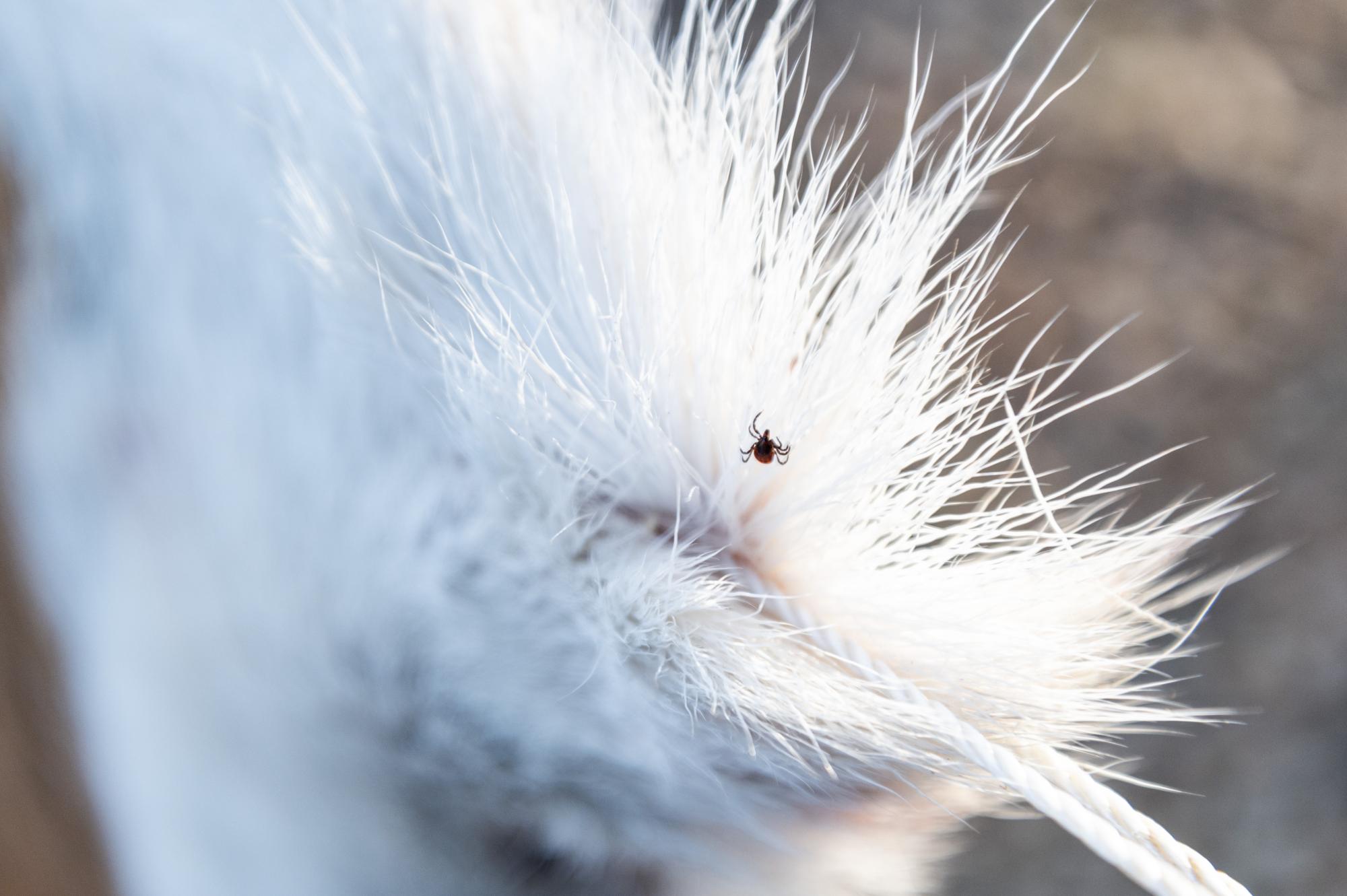
A tick crawls on a deer hide.
The groundbreaking research took nymph ticks from the Vineyard and Nantucket and analyzed them to see what animal they got their blood meal from. Ms. Goethert was able to reliably pinpoint the source because nymph ticks usually have only one blood meal.
Shrews were consistently the largest host of Lyme for the Vineyard ticks, which were collected in the Christiantown Woods in West Tisbury from 2019 to 2023.
During that time, about 220 ticks were analyzed from the Island. Each year, about 20 per cent were found to be infected with the agent of Lyme disease. For the five years of sampling about 40 per cent of the infected ticks had fed on shrews – making them the single largest contributor to the disease for the ticks studied.
“It was totally unexpected,” said Ms. Goethert, who has worked with the Island’s tick biologists going back to the 1990s. “We knew that shrews would be there, but it was not on our radar that shrews would be the most important host for years on end.”
The blood meal analysis has been used in mosquitoes in the past, but Ms. Goethert said her technique for ticks was a breakthrough for science, potentially making it easier to identify the sources of other tick-borne illnesses around the world, such as babesios.
“It’s exciting and the best thing about this method is it works for a number of different infections,” said Ms. Goethert, who is also working with researchers in California to tackle the source of their Lyme cases.
Her research, set to be published by the American Journal of Tropical Medicine and Hygiene, has scientists wondering if their efforts to tamp down Lyme in mice is now the best way to move forward.
“We are starting from scratch again,” Ms. Goethert said. “We need to change and tailor our more targeted interventions.”
Island officials have used bait boxes, a device that lures in mice and coats them in a tick-killing chemical, as well as tick tubes. Scientists have also tried giving mice permethrin-soaked cotton balls to be taken back to their nests. But there’s no guarantee these methods could be transferred over to shrews, which have different habits.
“It’s going to complicate things, because even if we treated all the mice, and cured all the mice, Lyme is still being cycled through the shrews as well,” said Patrick Roden-Reynolds, the head of the Vineyard’s tick-borne illness reduction program.
One of the issues with shrews is that they are far less studied than mice. The small mammals have similar appearances to mice, but they aren’t rodents and are more closely related to moles and hedgehogs. There are also no established lab colonies of shrews like there are for mice. Shrews, a frenetic species that is constantly on the hunt for food, are much harder to capture.
“We really have no idea how many shrews are out there,” Ms. Goethert said. “We can’t get our hands on them.”
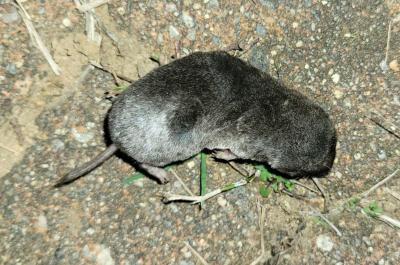
Though more ticks fed on mice, shrews infected more ticks.
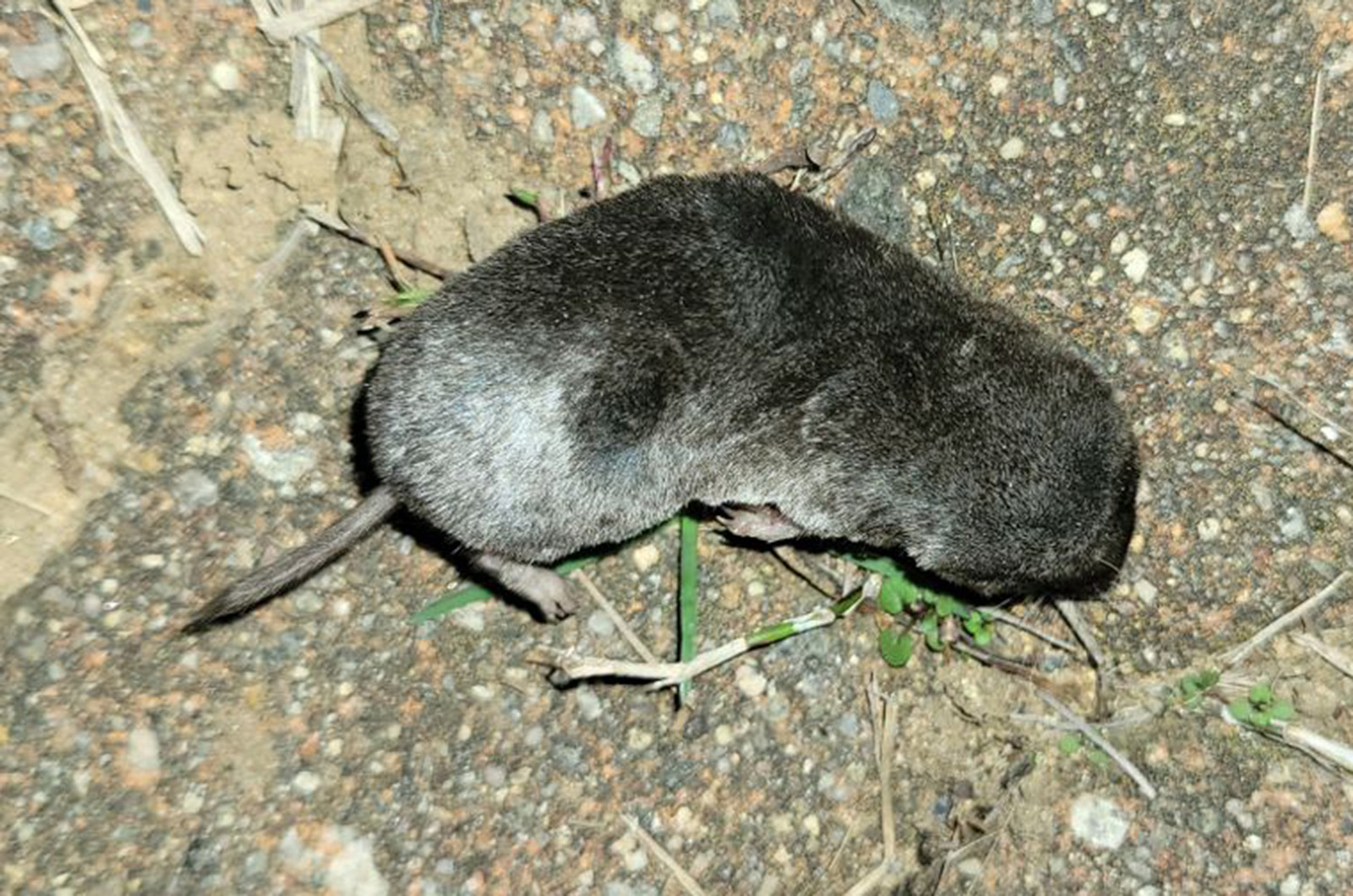
Though more ticks fed on mice, shrews infected more ticks.
Ms. Goethert wants to expand the tick collections to confirm if shrews are a major source of Lyme in other parts of the Island, though initial data indicates that it is not isolated to the West Tisbury woods where the ticks were collected.
“I can tell you that most of the sites around the Vineyard are shrew-driven,” she said, based on other data collected. “It seems like it would be an entire Island phenomenon.”
Ms. Goethert said mice are still a major factor in Lyme transmission, ranking as the second highest contributor on the Vineyard in the study, which also found that cats, birds, squirrels and chipmunks were passing along the agent of Lyme. On Nantucket, mice were still the biggest driver of Borrelia burgdorferi, though only just beating out shrews for the number of infected ticks despite far more ticks feeding on mice.
While the science continues to play out, Mr. Roden-Reynolds urged people to take precautions from getting bitten by ticks in the first place. Wearing permethrin and doing regular tick checks go a long way in disease prevention, he said.
“In the end it doesn’t matter where the tick got Lyme,” he said. “We are always trying to prevent the bite.”
Comments
Is it possible that the years
Kate EdgartownIs it possible that the years of treatment for mice had an impact; Bringing the precent found on mice lower than shrews?
This is the first time the study has happened from what I understand. Potentially 10 years ago mouse blood would have been the number one source found in the tick samples.
Are there any studies to show the impact all the mice treatment has had?
That’s a great question. I
Thomas Green AquinnahThat’s a great question. I was wondering about that myself.
Don't forget about skunks...
just a thought mvDon't forget about skunks... tularemia? time to get rid of these useless pests. they were brought here and are not part of the natural habitat
I think it’s amazing how the
Thomas Green AquinnahI think it’s amazing how the scientists are able to study the blood from a nymph tick.
Those critters are so tiny. How do they get a blood sample from them!?
The Tick Box Tick Control
David Whitman Norwalk CtThe Tick Box Tick Control System not only treats mice and chipmunks but moles , voles and SHREWS also!
It should not be at all
Dick AquinnahIt should not be at all surprising that the short tailed shrew, Blarina brevicauda, is the major carrier of the bacteria behind Lyme disease. No small part of its diet IS mice, and like this food
source, it is not affected by the
disease at all. Shrews are
terrific predators, injecting
their prey with a poison via their bite. They remain on the hunt day and night for other meals from Lyme disease hosts including young rabbits and birds. Imagine, if you would then, the great numbers of bacteria coursing round their blood awaiting the mouths and bellies of young ticks. So yes, from here on out, let's entitle this article, with a nod
to Suzan Bellincampi, "The Blaming of the Shrew."
You beat me to it, Dick!
Suzan Bellincampi West TisburyYou beat me to it, Dick!
Add new comment