

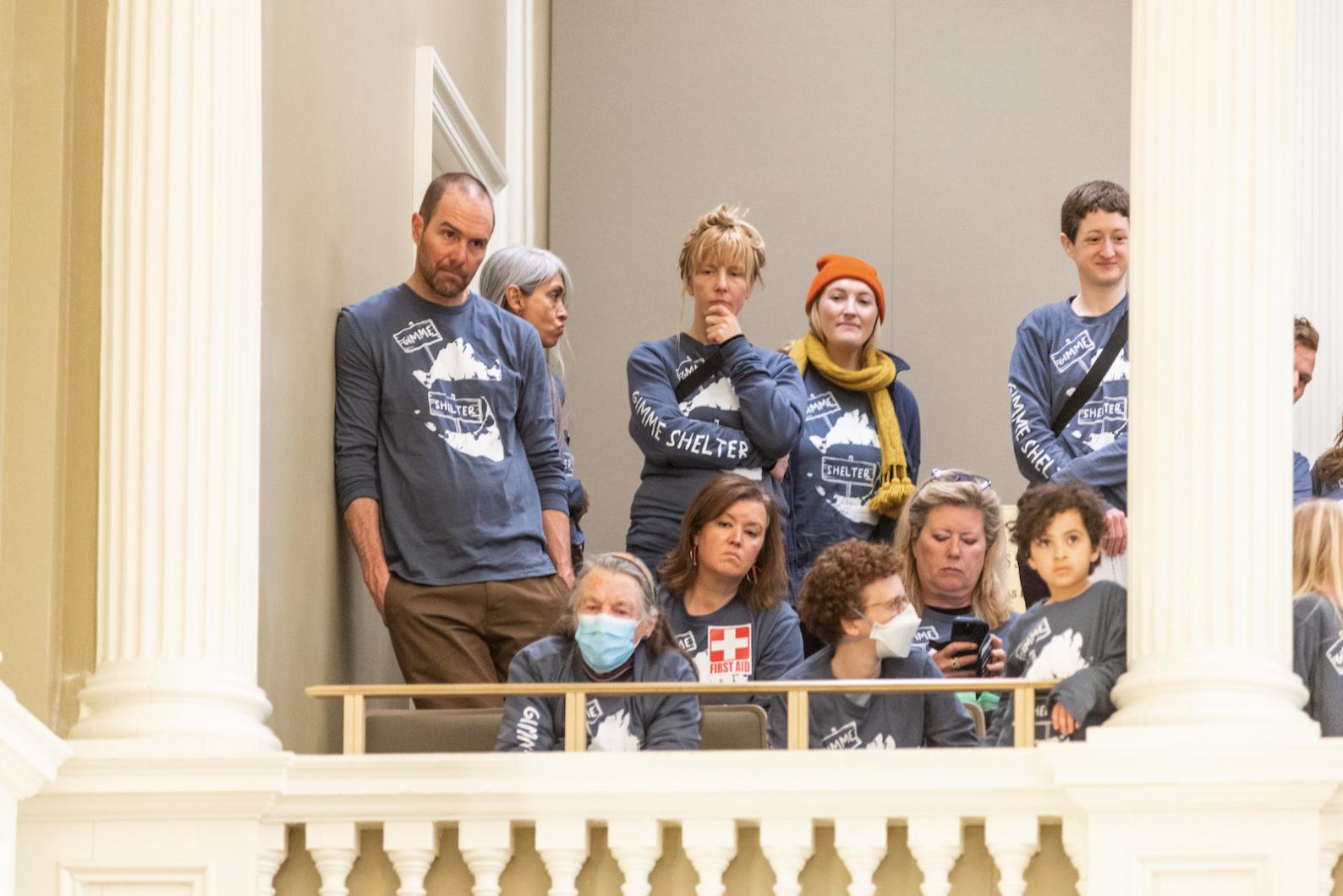
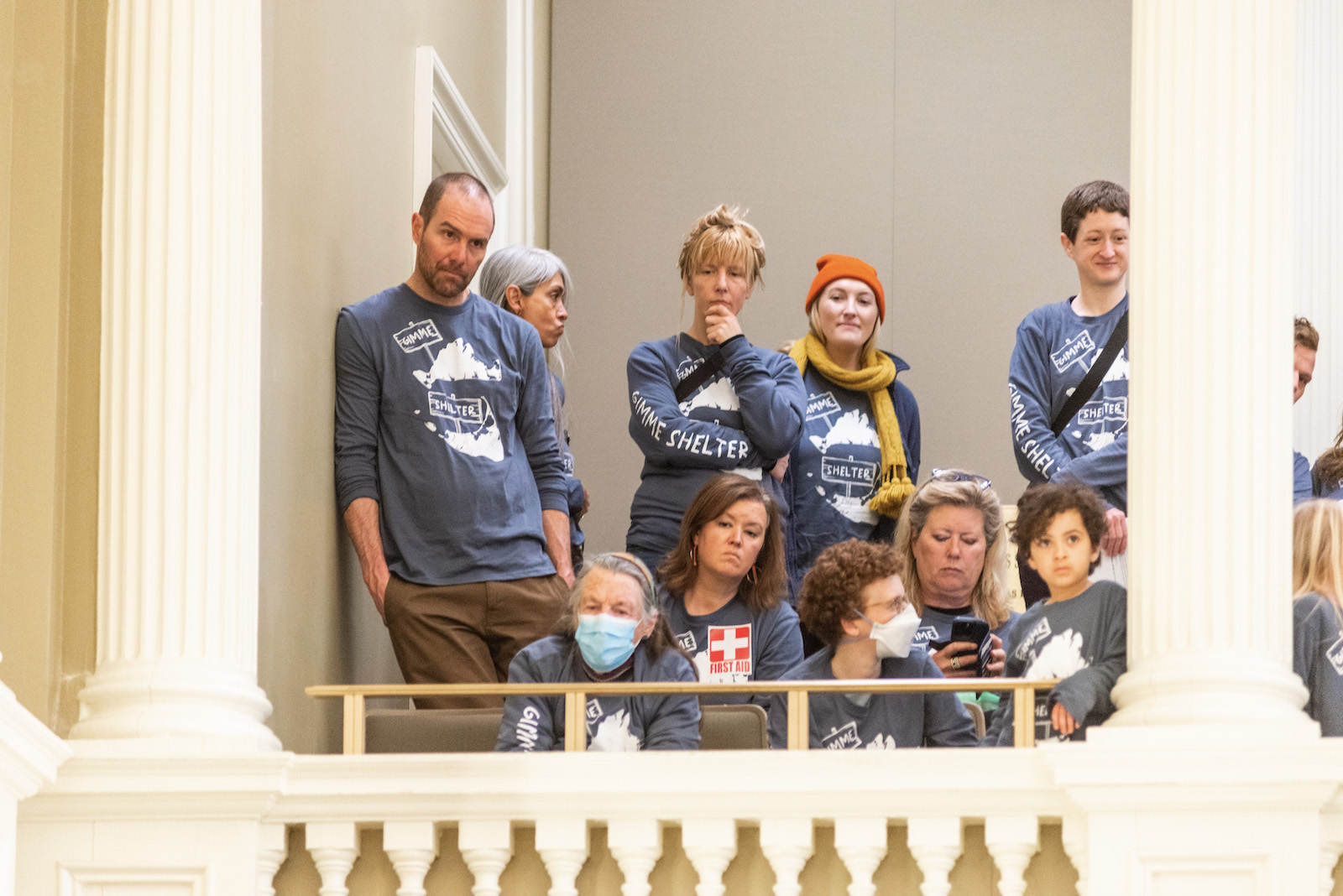
Vineyard housing advocates are urging the state Senate to reinsert the long-sought transfer fee tax to chip away at the Island's housing crisis.
A proposal to allow the Vineyard and other communities across the state to enact a fee on high-end home sales has stalled at the Massachusetts state house, dashing the hopes of Islanders who have sought the provision to chip away at the housing crisis.
The local option transfer fee, proposed as part of a massive housing bill from Gov. Maura Healey, would have allowed communities to institute a tax between .5 and 2 per cent on home sales over a $1 million.
But it was left out of the state Senate’s version of the bill released Monday, and it also was not included in the state House of Representatives version of the bill from earlier this month. Though there is a chance it could reemerge while the two chambers hash out their bills, the fee’s absence in both the House and Senate versions was a blow to Vineyard housing advocates.
“It’s disappointing,” said Mark Leonard, an Oak Bluffs select board member and former affordable housing committee chair. “We have to figure out alternatives to overcome that setback.”

State Sen. Julian Cyr said he will continue to seek a transfer fee that is palatable to lawmakers.

State Sen. Julian Cyr said he will continue to seek a transfer fee that is palatable to lawmakers.
All six Island towns petitioned the state for their own transfer fee and a housing bank that would support affordable housing efforts on the Vineyard. Advocates were heartened in October, when Governor Healey put forward her own take on the fee in the housing bill.
Though chances are now growing slimmer, some Islanders are still holding out hope that the transfer fee could make it back into the bill via an amendment.
“We are still pushing,” said Arielle Faria, the co-chair of the Coalition for the Creation of the Martha’s Vineyard Housing Bank, the group that has been spearheading the effort here.
Affordable housing has been one of the biggest issues for the Island. Housing waitlist queues number in the hundreds and the gap between what people can afford and the actual prices continue to grow ever larger.
As of 2023, an affordable house for the average Island family — costing less than 30 per cent of annual income in mortgage, taxes, and insurance — should cost $400,000, according to a recent Martha’s Vineyard Commission housing report. But the median single-family home on the Vineyard, as of this year, costs just over $1.3 million.
State Sen. Julian Cyr, the Island’s representative in the senate, said he would be filing amendments that could bring a new iteration of the local option fee back into the bill.
One version would raise the sales threshold to $2 million, and require other efforts for housing be undertaken before it was allowed. A series of other exemptions would also be included. The amendments will be part of the Senate’s scheduled debate on the bill Thursday.
“We are putting forward several different proposals to figure out a path forward,” Mr. Cyr said.
To hammer the need home to senators, the Vineyard housing bank coalition over the weekend helped Vineyarders submit more than 400 letters to state legislators calling for the housing transfer fee. They continued to make calls during the week to lawmakers’ offices to explain the housing crisis and the need for a steady revenue stream for housing.
“I think [housing is] the biggest thing shaping Island life right now,” said Islander Astrid Tilton, who was among the letter writers. “I hope they really hear that for the people they represent, this is the right decision.”
Though the transfer fee had support from the Vineyard, Nantucket, Boston and other communities, it was met with resistance from realtors. Other fiscal conservatives felt the additional tax was uncalled for, and suggested that towns and cities had other options to try and create more housing.
“More can be done by our legislative leadership than simply not raising taxes, they need to get into the habit of cutting taxes and costly policy provisions with the goal of making housing more affordable,” said Paul Craney, a spokesperson for the Massachusetts Fiscal Alliance. “It’s mystifying that this tax hike on housing was even being considered in the first place.”
The governor’s bill was slightly different from what the Vineyard had requested. In her bill, Governor Healey would have allowed towns to opt into a tax of .5 to 2 per cent of property sales of more than $1 million, or those above the county’s median home sale price – whichever is higher.
The Vineyard’s proposal would have been paid for by the buyer, not the seller as the governor envisioned.
If this had been enacted just a few years ago, Oak Bluffs could have had an extra $2 million for affordable housing, said Mr. Leonard. Right now, there are few dedicated funds for housing, meaning towns repeatedly have to go to town meeting to ask for money.
That makes it easier to map out projects and other housing efforts.
“You know you have a revenue stream and now you can plan,” Mr. Leonard said of the transfer fee.
Despite the setback, the bill still could inject $5 billion into housing, the single largest investment in the state’s history. The senate’s bill also included a more fleshed out provision that would dedicate $50 million toward housing in seasonal communities.
Dukes and Nantucket counties were specifically spelled out as qualifying for some of the money, the only two counties to do so.
Laura Silber, the Martha’s Vineyard Commission’s housing planner, said the seasonal communities language in the bill laid out new paths for Vineyard municipalities. Potential ideas include building units specifically for public employees, allowing towns to acquire year-round housing restrictions and sanctioning “tiny house” zoning.
Though the lack of a transfer is a setback, Ms. Silber saw some signs for hope in the seasonal language, which had been raised by Cape and Islands advocates in talks with state housing officials earlier this month.
“The Seasonal Communities designation toolkit as proposed in the Senate version of the bill would be a huge step forward in advancing solutions on the Islands, creating the path forward for public sector employee housing, year-round deed restrictions and other critical tools,” Ms. Silber said.
Comments
Well thank God! What are
Curtis OBWell thank God! What are people thinking. We have a tanking economy, inflation and then we want to add a tax and talks about banning rentals.
I don’t get it.
First If we ban rentals in any shape or form, we will have plenty of Affordable Housing but no jobs…
What tanking economy?
Kurt OBWhat tanking economy?
I see a decline in the
Sara EdgartownI see a decline in the economy for sure. Inflation is scary. Just go to the grocery store. Crazy!
The economy is changing.
Silver liningThe economy is changing. Inventory is rising and prices are declining. Short term rentals are vacant. A free market always finds balance. There is a number of great elements like municipal housing in the bill, this will allow towns to house teachers, police and so on. Businesses need to figure out how to house their people and it’s over. Now to get rid of the local tax on rentals and we are right on track
99% of the people on this
Charlie Callahan So Boston/Edgartown99% of the people on this island don't want any affordable housing. Heaven forbid someone might have to live next to a real working person. The last commentor said we have a tanking economy,not really tanking. Over the years I have heard more excuses for not approving affordable housing. I remember in the early 90's a proposal was made ,I can't remember which town, but the excuse was someone produced a pictur of a painted turtle crossing the road in that area and the proposal was shelved. It's called NIMBY and this place is as bad as it gets
Good news. Why should hard
OB Resident Oak BluffsGood news. Why should hard working islanders have to pay an additional 2 percent to pay for other islanders who aren't hard working!
Sorry to be the one to break
J. VHSorry to be the one to break it to you, but nobody is entitled to live in one of the most expensive real estate markets in the country. Just because you grew up here, doesn't mean I have to pay for you to stay. Workers can commute if their employer doesn't want to house them... just like Nantucket, Beverly Hills, and the Hamptons. Businesses make millions in profit in the summer by hiring cheap J1 students... they need to house them. Also, when I'm paying gouged prices for any tradesman, I don't feel obligated to pay for their housing too. One or the other.
That's exactly how I feel.
TisKid MVThat's exactly how I feel. You're not entitled to affordable services or employees or to have voters support your quality of life issues.
Well said!! Also we need to
Pete VHWell said!! Also we need to appeal the short term rental tax. We cannot be banning rentals. We need rentals to survive as an island.
Great news. If housing isn’t
LynGreat news. If housing isn’t affordable, why increase the cost by 2% and make housing even more unaffordable.
Bless all the folks making
George Stein OBBless all the folks making the time and energy to care about the community. This is going on everywhere. The head in the sand types wait for disaster to knock on their door. The fight is real at so many dinner tables daily . Nice shirts !
MA politicians and residents
TisKid MVMA politicians and residents talk a good game about being liberal and progressive, but at the end of the day they like their money more. To be fair a million dollar house isn't all that expensive anymore. Perhaps the limit should be about 5mill. This also reflects the results of so many people that failed to plan for retirement so now their house is their only retirement asset.
How will the town keep a
Danny East ChopHow will the town keep a property “affordable” after it’s been built? The supply/demand for an island cottage is always going to outpace a mainland home.
Hasnt always been this way .
Ken Edg.Hasnt always been this way . In the 90s you could pick up a house cheap on the vineyard. What changed?
you got this article right
Michael edgartownyou got this article right off the front page, didnt you? it doesn't fit your agenda, and the town agenda for higher taxes and support for this tax, didn't you? where are my comments? it is so obvious that you are biased and unfair to opposing views from your own agenda
I hear the whiners crying
Charlie Callahan So Boston/EdgartownI hear the whiners crying about higher taxes,the taxes on the Vineyard are some of the lowest in the state for comporably assessed homes.People need help with affordable housing, too bad Penelope and Chadwick don't care about those who need a little help.
Wonderful news for Martha’s
Abby MVWonderful news for Martha’s Vineyard. Let the free market work on its own.
Glad the legislature got it
Mike ChappaquiddickGlad the legislature got it right. We need to keep taxes affordable. Increasing them with transfer or any other taxes to set up a non-accountable government that gives out affordable homes is not going to achieve it. Invest more money into growing year round business that will attract higher paying jobs.
Nice to see cooler heads
Mike B UpislandNice to see cooler heads prevail at the state level. Taxing and restricting existing property owners simply drives up real estate values further. Market forces will dictate what real estate costs on this island and if public services suffer as a result then we will all have to pay the price in higher property taxes or fewer services but government interference never accrues to the intended beneficiaries. It is madness to tax buyers to create more conservation land then tax them again when they sell to create the opposite of more housing/development.
Add new comment