

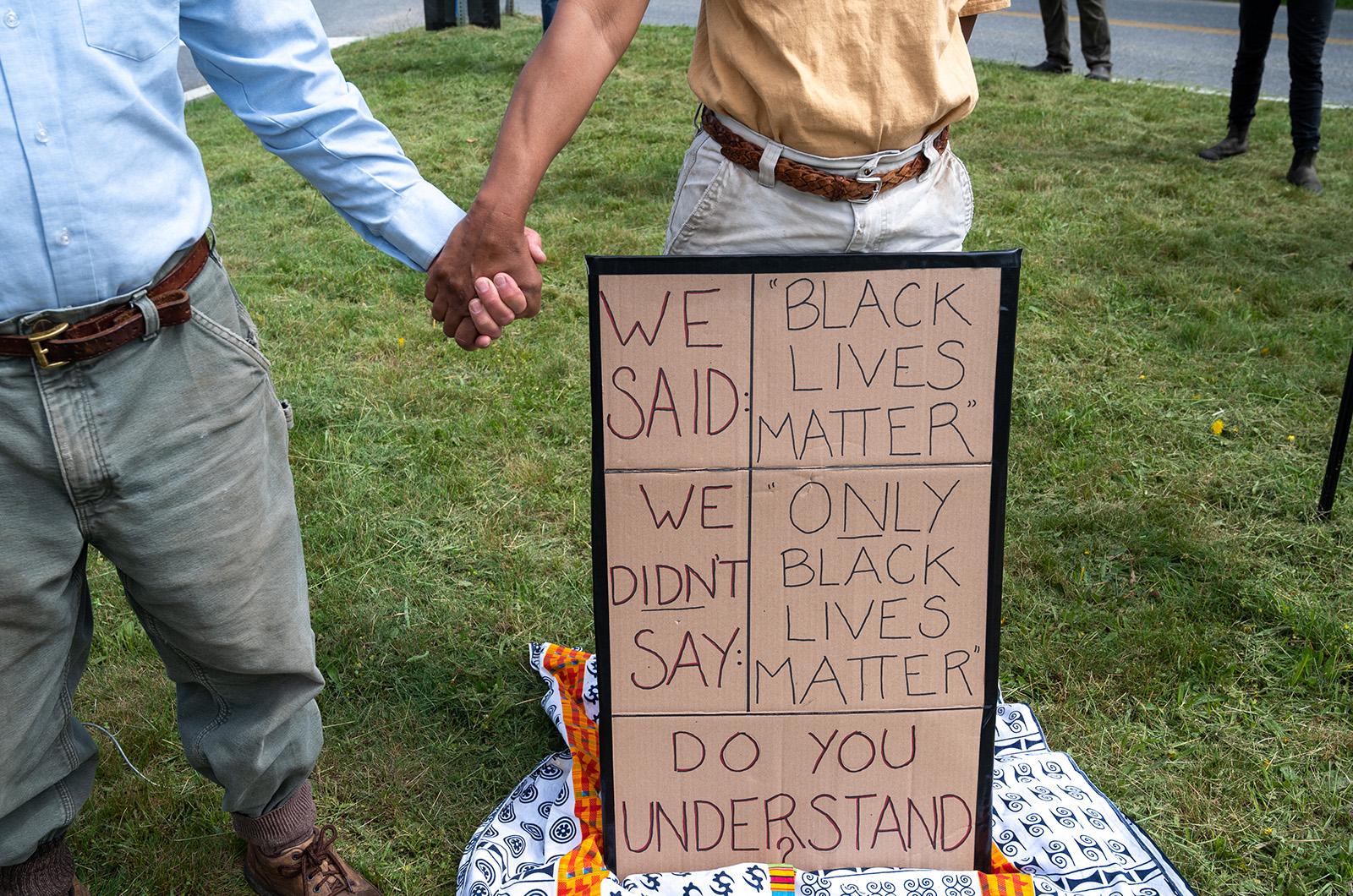
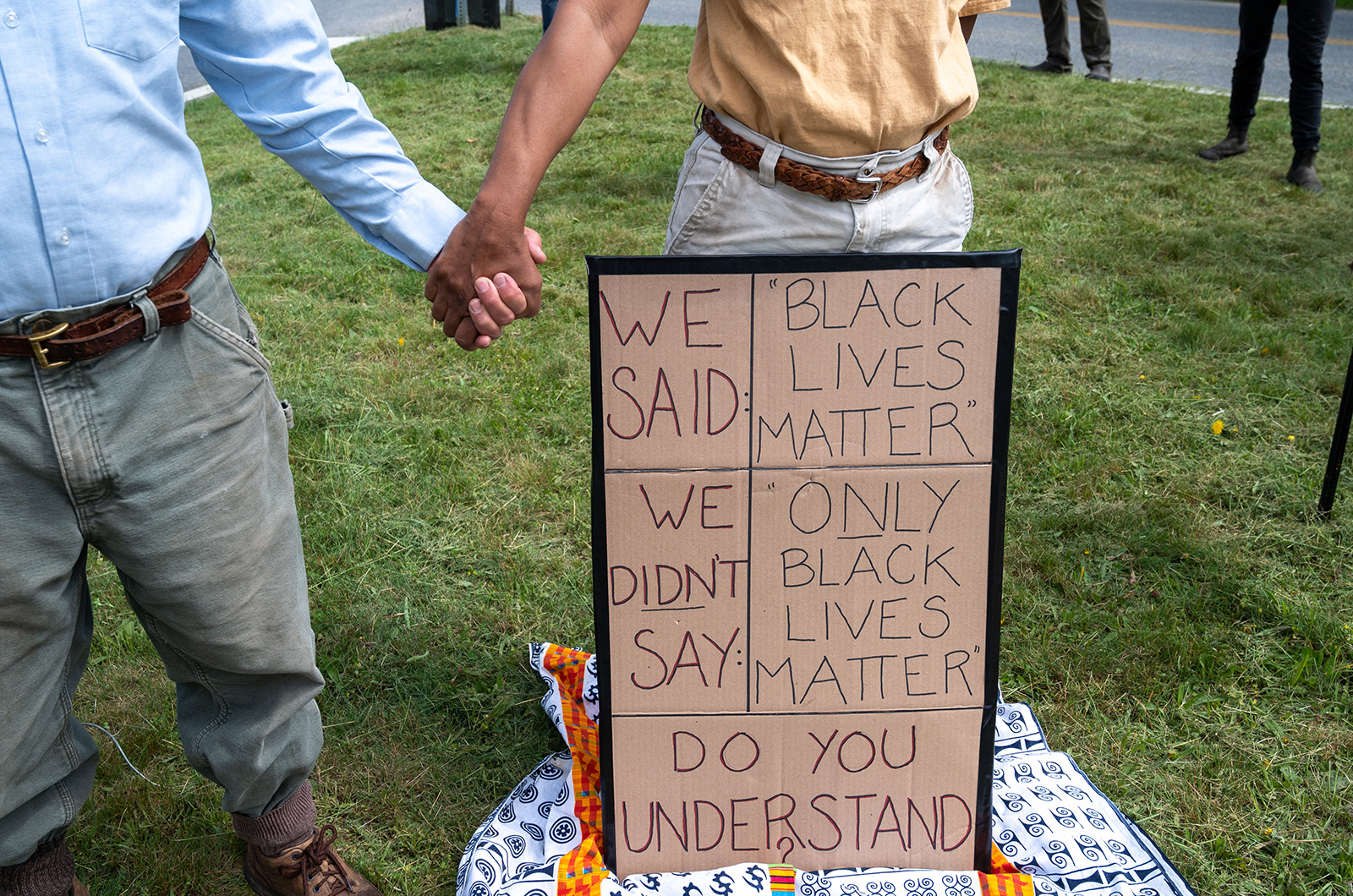
We are proud to see ongoing and new conversations around race and multiculturalism on Martha's Vineyard.
Amid the many traditions and celebrations that mark Black History month, we are proud to see ongoing and new conversations around race and multiculturalism on Martha’s Vineyard.
Expanding our notion of who we are as a society takes courage and time — courage to listen and confront our own biases and time to get accustomed to a different way of thinking. This is work that can’t be done in a single month.
One recent stage for these conversations is the regional high school, one of sixty high schools across the country chosen this year as a pilot for the new Advanced Placement African American History course. It’s a point of pride for the Island, which has its own rich history as a longtime summer resort for African Americans. That history was a factor in the selection of the high school for the pilot.
Elsewhere in the nation, the AP course has sparked bitter political debate, a troubling hallmark of the times we live in. But on the Vineyard, students enrolled in the AP course speak glowingly about what they have learned, and how it has opened their eyes to history in a new way.
“We’ve been talking a lot about how controversial the class is and how people say it’s indoctrination, but it’s been the opposite,” one student told the Gazette. “This course is teaching me to think for myself.”
Since the killing of George Floyd in 2020, Islanders have gathered at Beetlebung Corner in Chilmark to exchange stories and ideas and raise awareness about racism and racial violence. The vigils have led to more conversation and the creation of a podcast, Shed, the second season of which was released this month by the Gazette.
In the podcast, host Eric Adams — a family therapist raised by a white mother and a Black father — interviews Islanders, both year-round and seasonal and from a range of racial backgrounds, about their personal experiences with race and racism.
Drawing on his work with people with substance use disorder, Mr. Adams ask guests to consider how a therapeutic model called stages of change could help people examine and move beyond their own prejudices, in effect “shedding” their preconceptions about race.
In the new six-episode season, listeners can hear Patty Favreau discuss her experiences as a year-round Island resident raising a biracial family. They can hear the frank recollections of Hollywood film producer/director and seasonal resident Kevin Hooks from his work as a child actor in the deep South in the early 1960s.
In another episode Aquinnah native and Wampanoag tribal member Juli Vanderhoop speaks movingly and with pride about the strength and resiliency of the tribal people.
Speaking at times in halting tones, Edgartown police officer Curtis Chandler discusses the inherently fractious nature of conversations around race and racism.
“As hard as this can be — it’s the right thing to do,” Mr. Chandler tells Mr. Adams.
And necessary.
As a summer destination, Martha’s Vineyard has long attracted people of differing cultural, religious and racial backgrounds. Now the year-round demographics of the Island, like the nation, are also becoming more diverse. Today, for example, Portuguese-speaking Brazilians comprise roughly a third of the student body at the regional high school.
We can decry a changing world or we can embrace it, by acknowledging our own fears, listening to other people and engaging in difficult conversations.
Comments
Is there space in this
Rational Person Oak BluffsIs there space in this "conversation" that includes whites who have been discriminated because of their color? I was once told point blank by an employer that I wasn't hired, even though more qualified than any of the applicants, that I wasn't hired because I was a white male. When do I get a chance to tell my side?
Perhaps the operative word
Lynn vera Oak bluffsPerhaps the operative word here is “once”?
If you were to be pulled over
Albert Fischer West TisburyIf you were to be pulled over by the police in a town , lets say in Alabama or Mississippi, and you had a choice of being a white person or a black person driving this car, which one would you rather be? I would be interested in hearing a rational answer.
If you were to be pulled over
Albert Fischer West TisburyIf you were to be pulled over by the police in a town , lets say in Alabama or Mississippi, and you had a choice of being a white person or a black person driving this car, which one would you rather be? I would be interested in hearing a rational answer.
Implicit in this editorial is
Harry Seymour Oak BluffsImplicit in this editorial is the argument that an on-going conversation about race, diversity and multiculturism is obviously the right thing to do. Not all would agree, otherwise there would be no reason for such an appeal, which is precisely why such conversations must continue even though at times it may appear to be one sided, i.e., the proverbial talking to the choir. My sense is that our country will never be unanimous on matters of race and diversity but may be able to reach a consensus that we agree to promote justice and equity. Although an on-going conversation to that end won’t appeal to all, it may be possibly to persuade enough to overrule dissenters which is all that matters in a democracy. Keep the conversation going.
Add new comment