

Enacted on Oct. 21, 1972, the Marine Mammal Protection Act responded to growing concerns that marine mammal species were on the verge of extinction as a result of human activity
The Marine Mammal Protection Act has governed the waters of Martha’s Vineyard and beyond for 50 years, imposing restrictions on fishing, hunting, shipping and travel to conserve mammals’ roles in marine ecosystems across the country.
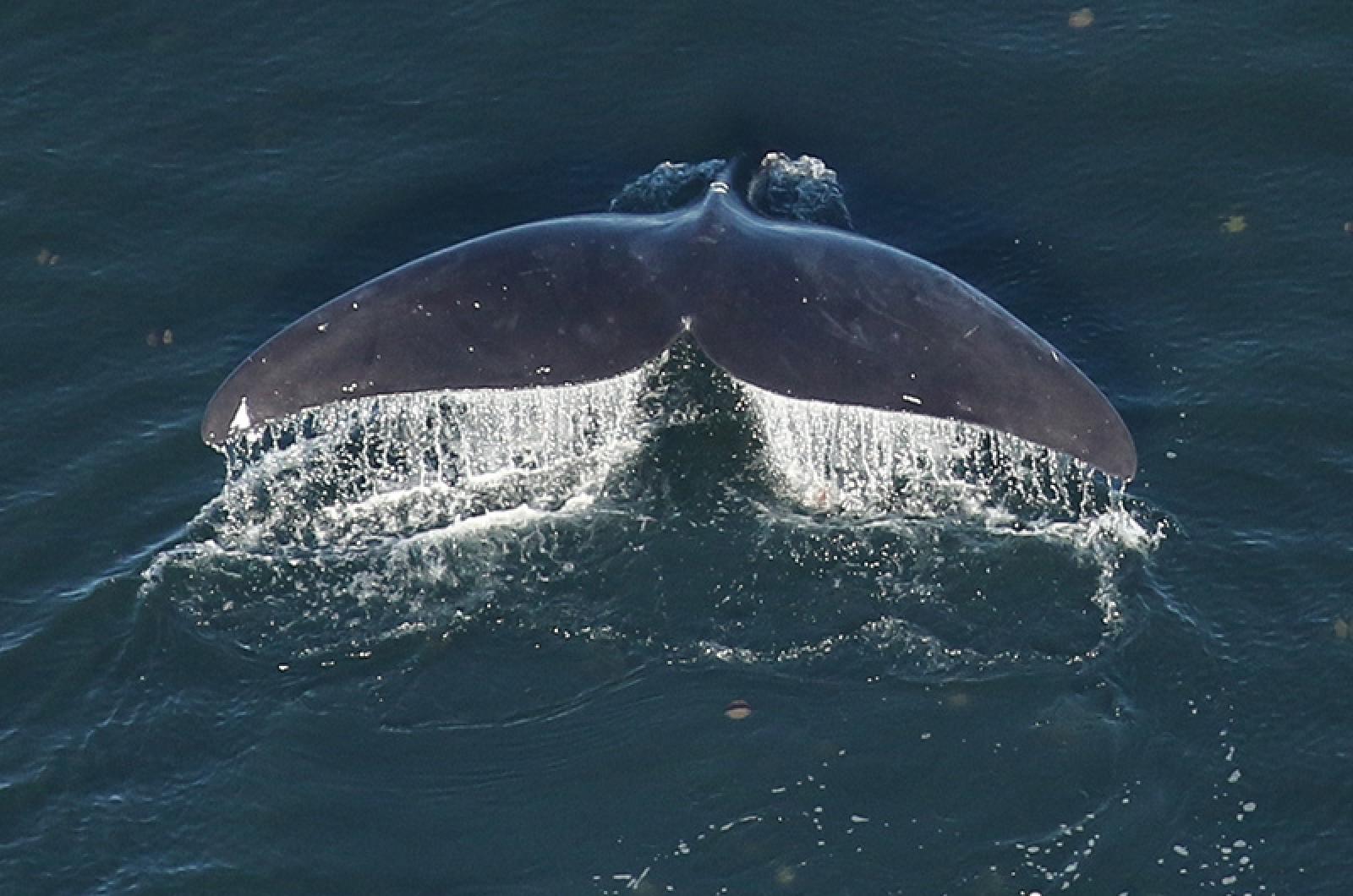
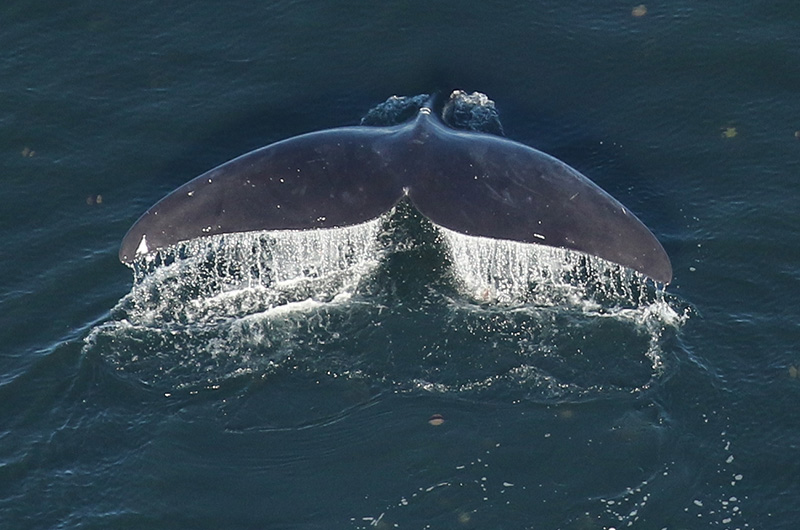
Enacted on Oct. 21, 1972, its success in the waters surrounding the Island can be seen with the resurgence of seal populations and occasional, spectacular visits by even larger marine mammal species, such as humpback whales. But as the landmark federal legislation celebrates its half-centennial on Friday, some mammals, such as the North Atlantic right whale, have remained on the endangered species list and continue to teeter on the precipice of extinction, despite herculean efforts to preserve their survival.
In recent interviews with the Gazette, local and national marine scientists reflected on the complex legacy of the law and looked ahead to the future of marine conservancy in the region.
“Without it, we could have completely lost some of the species we currently have,” said Frances Gulland, chair of the U.S. Marine Mammal Commission, a federally appointed independent government organization. “We have North Atlantic right whales … but it’s not enough.”
The groundbreaking legislation was enacted in response to growing concerns that marine mammal species were on the verge of extinction as a result of human activity, and set the global benchmark for marine mammal conservation as the first piece of legislation to call specifically for an ecosystem-level approach to wildlife protection. The law prevented the “take” — which refers to harassment, feeding or killing — of any marine mammal, including seals, whales and sea lions.
In perhaps the most visible change since the law was enacted, seals in and around the waters of Martha’s Vineyard have rebounded from near-disappearance. Since the 1980s, the gray seal population has grown rapidly as pupping rates increase across the Northeast.
Local seal population has rebounded over the decades; not everyone is pleased with the outcome.
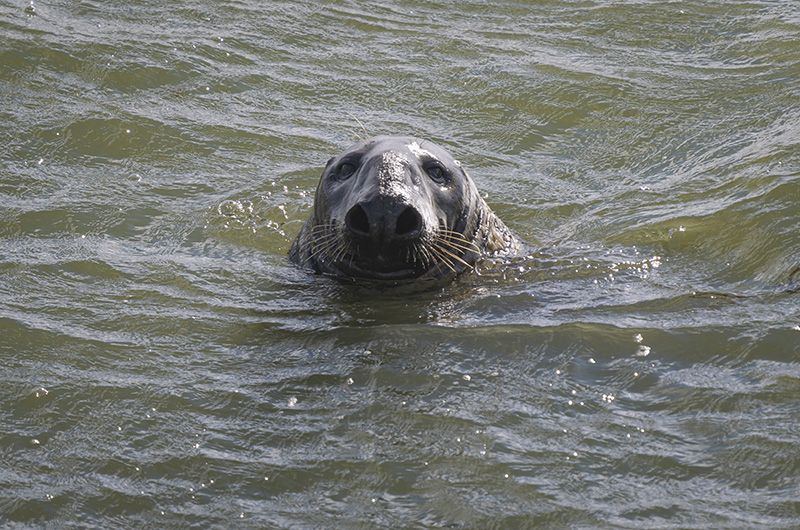
Local seal population has rebounded over the decades; not everyone is pleased with the outcome.
“Seeing one of these animals is incredibly special, and it’s a treat that we have on the Island,” said Suzan Bellincampi, islands director for Felix Neck Wildlife Sanctuary in Edgartown and the Nantucket Wildlife Sanctuaries.
Prior to the Marine Mammal Protec tion Act, seals were hunted for bounty in the region. One study published in 2009 by Barbara Lelli found more than 15,000 bounties were awarded for seals in Massachusetts between 1888 and 1962. “It changed the culture of hunting,” said National Oceanographic and Atmospheric Administration (NOAA) research scientist Kimberly Murray, speaking about the enactment of the law.
Ms. Murray and fellow NOAA scientist Sean Hayes praised the law’s impact on species in Island waters.
“The law has been arguably one of the most successful pieces of conservation legislation ever written,” Mr. Hayes said. “There’s been significant recovery in most of the marine mammal stocks since it’s been established.”
Ms. Murray said that while resurgence of seals in the Northeast has been tied to the growth of the seal population in Canada, the protection afforded to seals by the law likely catalyzed the gray seals’ return to the Cape and Islands.
As seal populations continue to rise, Mr. Hayes said that for some, the pendulum has even begun to swing in the opposite direction in the Northeast, as fishermen and others argue that their resurgence bodes poorly for fish stock in the region and draws predators such as sharks to local waters. However, Mr. Hayes said a growing school of thought
posits an increase in seals and other marine mammals could positively impact the fish stock as the animals transport nutrients throughout the ecosystem.
“We think there’s probably a more complex ecosystem phenomenon going on out there,” Mr. Hayes said.
Right whale species is still in jeopardy.
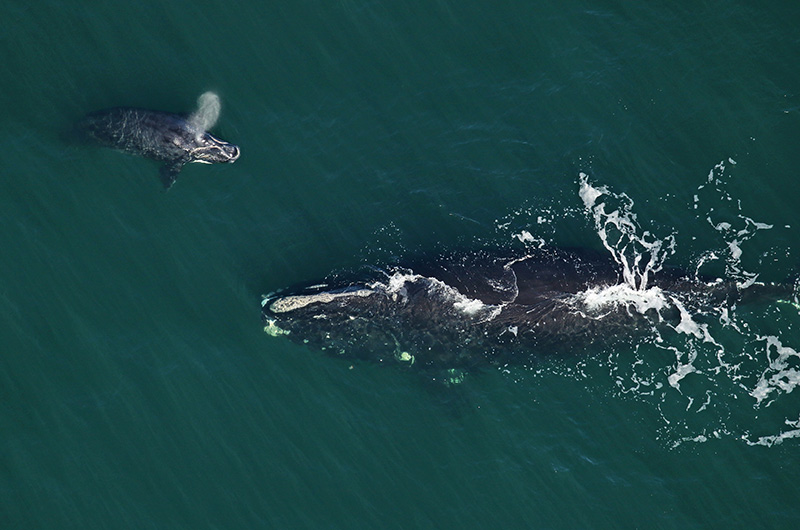
Right whale species is still in jeopardy.
For local conservationists, the return of a historic population to the Island is always a net positive.
“We’ve seen a lot more seals in our time,” Ms. Bellincampi said. “It’s all good news when you’re protecting wildlife.”
Seals also have historic significance for the Wampanoag Tribe of Gay Head (Aquinnah), which has long advocated for and participated in their conservation by serving as responders to stranded and injured marine mammals. The tribe has recently entered into an agreement with NOAA and the Northeast National Marine Fisheries Service that recognizes the tribe’s rights and property and codifies its relationship with the federal government regarding marine mammal protection.
“It’s important to the tribe culturally, it’s respectful that we treat the marine mammals with care,” said Bret Stearns, acting chief of staff for the tribe.
Despite regulations imposed by the Marine Mammal Protection Act and local conservation efforts, problems persist in the region. In the 50 years since the law was enacted, sightings and reports of injured right whales have continuously made headlines across the Eastern seaboard — and many scientists say the whales’ plight has only become more dire.
“In terms of right whales, I don’t think anybody thinks we’ve got it right,” said Woods Hole Oceanographic Institution scientist Michael Moore.
A 1974 report in the Vineyard Gazette, the paper’s first mention of the Marine Mammal Protection Act, follows the sighting of two sea giants — a right whale and a leatherback turtle — swimming toward the Vineyard from Long Island. Previously injured by a propeller, the right whale had since seemed to recover from the wound, now protected from further harm by the law as it continued to search for food in the region.
Prior to the Marine Mammal Protec tion Act, seals were hunted for bounty.
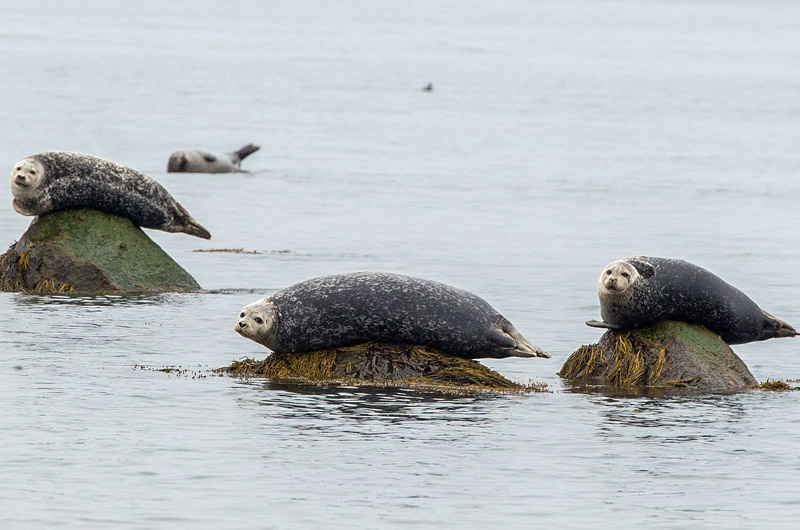
Prior to the Marine Mammal Protec tion Act, seals were hunted for bounty.
“It’s probably just having a good time,” Stanley Poole told the Gazette in 1974.
Now, reports concerning right whales are generally much more pessimistic. Scientists estimate that there are fewer than 400 right whales remaining, with large numbers still dying from rope entanglements and vessel strikes. Last month, a right whale named Snow Cone made local headlines as she suffered another entanglement in fishing gear — the most recent prior entanglement having occurred in 2021 for the 17-year old whale.
Snow Cone is one of fewer than 70 reproductively active female Right Whales, according to NOAA. Hers is a plight felt by many of her peers, Mr. Moore told the Gazette.
“I think it’s really important to look at individual health,” Mr. Moore said, noting that the size of individual right whales has begun to take a downward turn.
“Current status quo … are inadequate for the North Atlantic right whale,” he said.
Mr. Moore said he believes strongly in the development and use of ropeless fishing technologies that could help prevent entanglement of right whales. Additionally, NOAA has begun to consider more restrictive vessel speed laws that would affect Martha’s Vineyard and Nantucket waters.
But, Mr. Moore added, the growth of regulations to protect right whales depends almost entirely on public and political will to save the species.
“To what extent are we willing to slow down the Grey Lady to 10 knots?” he said.
Mr. Moore posited that the perennial task of marine conservationists and the Marine Mammal Protection Act is to strike a proper balance between the fishing industry and the need to protect marine life. He said such a balance is unlikely to make all interested parties happy, but reiterated that current regulations are untenable for the right whale, even as other species, like seals, have flourished.
“The will of the people is a big part of this,” he said.
Ms. Bellincampi looked to the law’s next 50 years — for seals, whales and humans.
“These creatures share our space and enjoy our waters, just as we do,” said Ms. Bellincampi.
Comments
"Herculean efforts to
Carol formerly Chilmark"Herculean efforts to preserve their survival". No, I do not see that at all being done for the right whales. They're being killed by ship strikes and entanglement in fishing gear, primarily lobster pot buoy lines. Those are not hard things to regulate and (for lobsters) provide tax credits to cover the cost of replacing rope gear with ropeless gear. Would not even be a rounding error in the federal budget.
I can't believe you could
Quitsa ChilmarkI can't believe you could publish an entire article on this topic without even mentioning the greatest threat the North Atlantic Right whales and other marine mammals face from the uncontrolled industrialization of their habitat with huge numbers of offshore wind turbines. NOAA obviously acknowledges the threat because they gave Vineyard Wind an "incidental take" permit to harass or kill nearly two dozen right whales. That is far more than have been harmed by ship strikes or gear entanglements over the entire period in which such events have been recorded. But not a word as the conspiracy of silence bought by Vineyard Wind's huge "donations" to environmental groups and politicians has ensured. If there are no right whales in 10 or 15 years, it will be the wind farms that destroyed their habitat and killed them off.
Time to bring back the bounty
Dee Ouchman Isles of LangerhansTime to bring back the bounty on seals.
Does seal meat taste good?
Jimmy S. DaltonDoes seal meat taste good? Seal skin shoes? What would be the purpose of harvesting the seals?
I totally agree with Quitsa
Tea Lane too ChilmarkI totally agree with Quitsa above.
The public will is important
Vasha TisburyThe public will is important here. the Right whale Coexistence Act 2022 is currently before Congress. Please email, call, or write to Congressman Bill Keating, Cape and Islands(google his title and name for contact info) with your concerns or ideas on this. I have requested strong timely funding for testing, education, and implementation/rigging of ropeless lobster gear. Snow Cone suffered a long painful death due to entanglement, and I feel we all should bear the cost of switching to ropeless gear.
Add new comment