

The Massachusetts Department of Fisheries and Wildlife and the Cornell Laboratory of Ornithology both recommend you take down your bird-feeders to prevent the spread of an unknown disease.
The Massachusetts Department of Fisheries and Wildlife and the Cornell Laboratory of Ornithology both recommend you take down your bird-feeders to prevent the spread of an unknown disease. An article about a new and unknown disease affecting birds appears elsewhere in this issue. It is not the pinkeye that has been affecting finches for some time.
A possible victim of this illness was a catbird reported on Monday from Vineyard Haven. Remember that plenty of natural food is available at this time of the year.
House wren
House wren
Shorebirds from the Arctic started arriving in late June, as documented by this column. Now migration is starting for songbirds too, as both yellow warblers and American redstarts have departed after being rather abundant at Cedar Tree Neck. I did not see or hear either species during the seven hours I was there on July 18. And Tori Fay is the only one to report a yellow warbler this week, on July 17 at Fulling Mill Brook. Matt Pelikan also reports that orchard orioles may have departed as well. We will see these species again as they migrate through in later weeks.
Matt Pelikan also points out that birds have started to molt feathers, an annual event that replaces old, worn feathers with new ones. Adult birds replace all their feathers annually, but is most obvious when you see a flying bird missing a wing feather on each side; molting a wing feather on only one side would reduce their ability to fly.
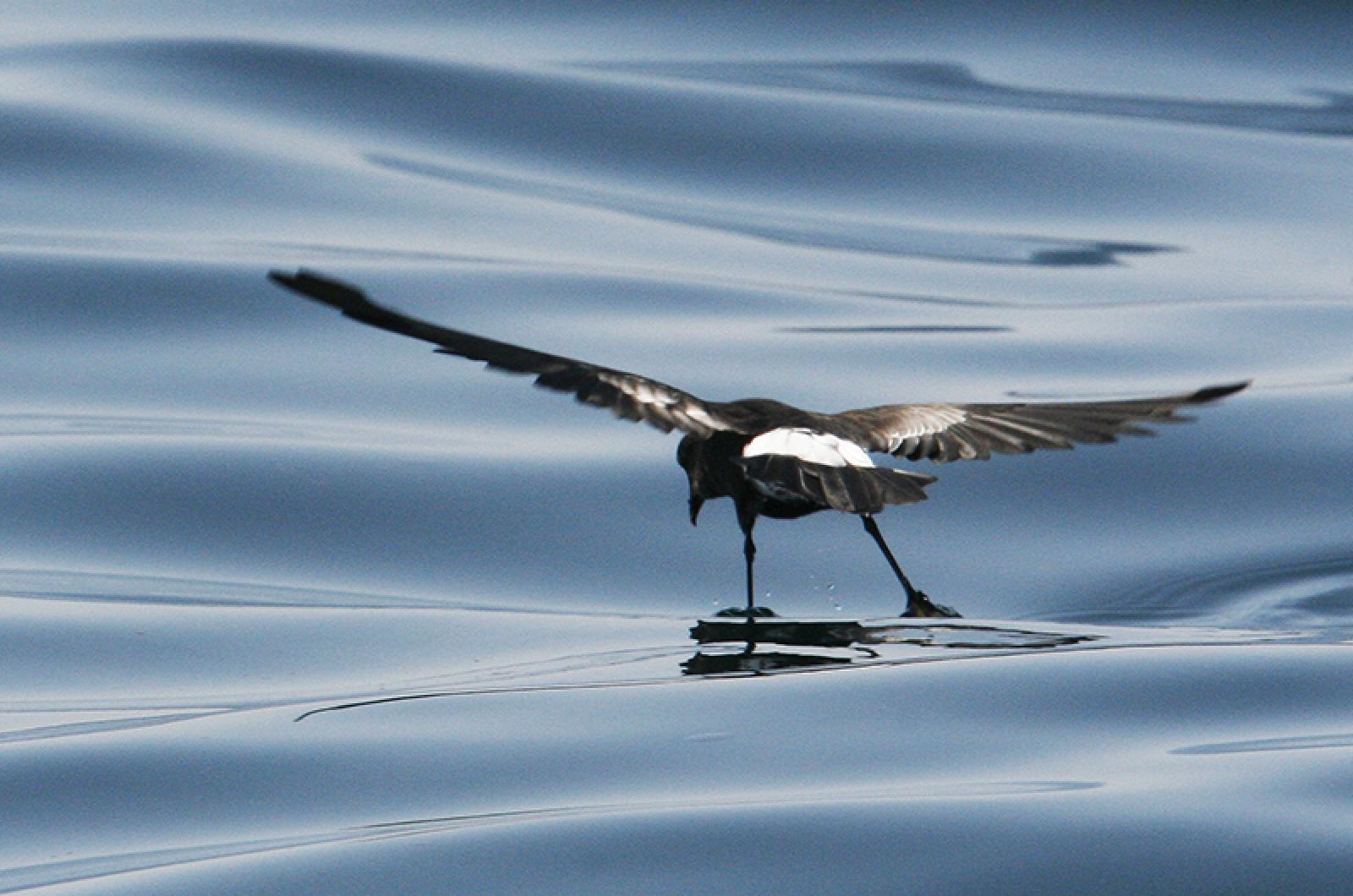
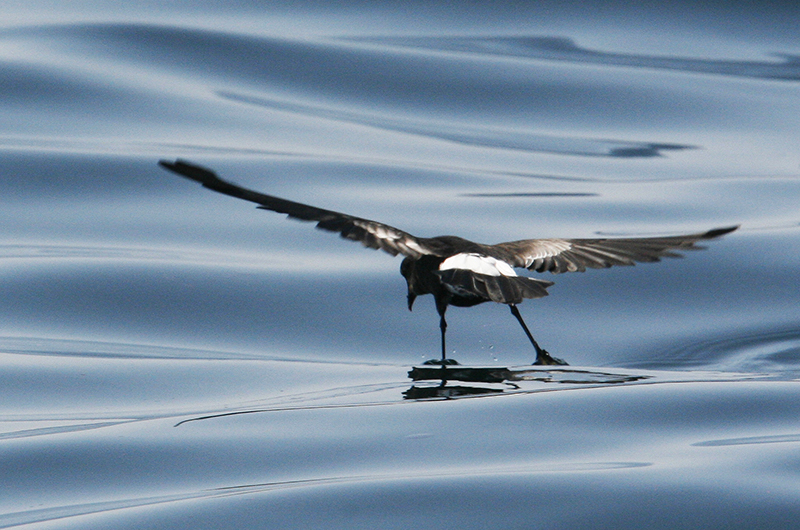
Perhaps the most unexpected sighting of the week is from Jeff Peters, who spotted a Wilson’s storm-petrel from the beach south of Black Point Pond on July 15. Usually we have to go offshore to see this pelagic species.
The abundance of migratory shorebirds is increasing: flocks are larger and they will be seen in more locations. These are mostly adult birds coming through now. The young of the year will come later, in August, after they fledge and depart from their more northern nesting grounds.
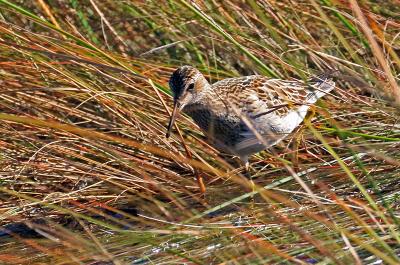
Pectoral sandpiper
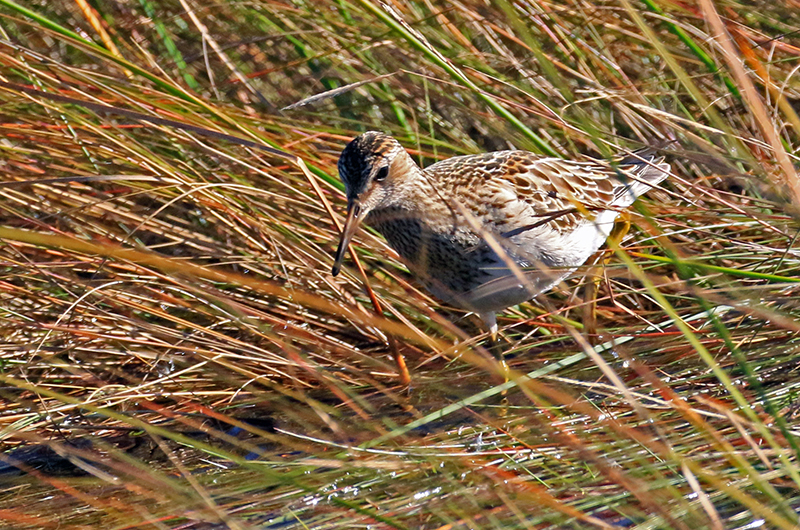
Pectoral sandpiper
Two new species were reported for the season: Jeff Bernier spotted a black tern at Little Beach on July 14, along with six least sandpipers, while Lanny McDowell and Pete Gilmore found a pectoral sandpiper on Norton Point on July 16. Other shorebirds they spotted include 33 short-billed dowitchers, two lesser yellowlegs, one greater yellowlegs, a ruddy turnstone, juvenile least terns and 10 willets. Warren Woessner and Susan Whiting added five semipalmated sandpipers and five least sandpipers to the mix.
Other shorebird reports include a whimbrel, seen by Luanne Johnson at Haystack Point in Sengekontacket Pond on July 15. She also saw a spotted sandpiper at Pecoy Point the next day. Two other reports of spotties came on July 18, when they were observed by Gus Ben David in his yard and by Pete Gilmore at Sheriff’s Meadow Sanctuary. At nearby Little Beach that day, Walt Looney spotted semipalmated plover, ruddy turnstone, least and semipalmated sandpipers, short-billed dowitcher and greater yellowlegs.
On July 15 the group of Susan Whiting, Warren Woessner, Cathy Paris and Stu Wilson visited Norton Point, where they found 10 black-bellied plovers, nine sanderlings, five least sandpipers, 22 semipalmated sandpipers, 48 short-billed dowitchers and two greater yellowlegs. At Black Point Pond that day, Jeff Peters found semipalmated plover, ruddy turnstone, laughing gull, ring-billed gull, lesser black-backed gull and a great blue heron. On July 16, Luanne Johnson found a great blue at the Wakeman Center and two great blues were observed by Walt Looney at Sweetened Water preserve on July 18. Dahlia Rudavsky and Bob Jampol saw a short-billed dowitcher and two lesser yellowlegs at the southern end of Sengekontacket Pond on July 16.
Lanny McDowell and Pete Gilmore heard a ring-necked pheasant at Nat’s
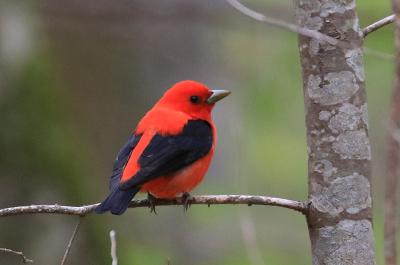
Scarlet Tanager
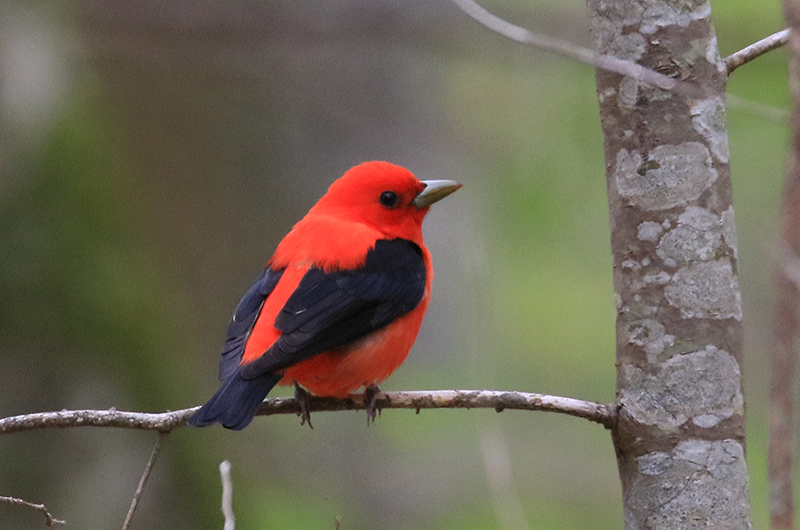
Scarlet Tanager
Farm on July 16. A male ring-necked pheasant was observed by Karl Langmuir in his yard on July 17.
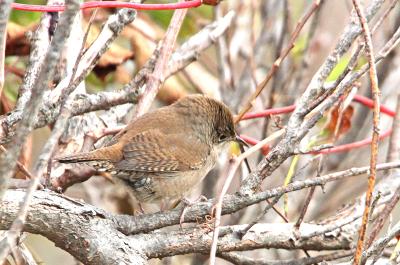
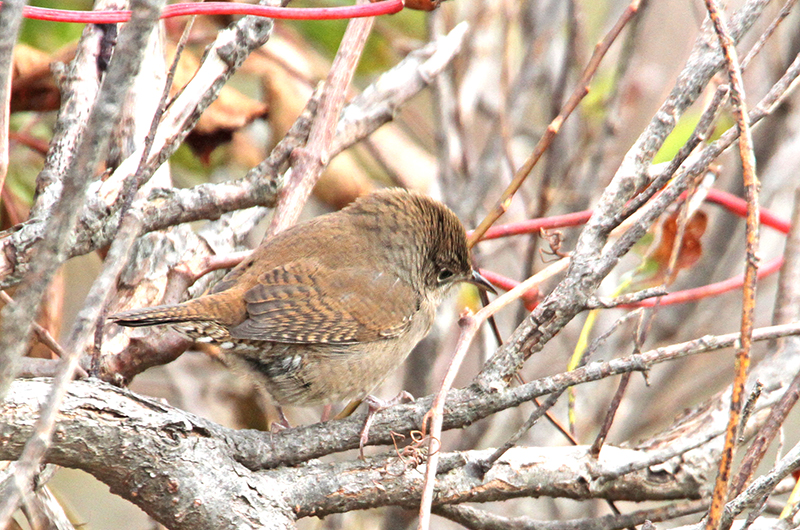
Tammy Deese had a male scarlet tanager visiting her bird bath in Chilmark on July 12. In the State Forest on July 15, Sea Williams found a field sparrow, ovenbirds, and a prairie warbler. Baltimore orioles have been seen by the Felix Neck Early Birders on July 15 and the next day by both Shea Fee at the Chappaquiddick Community Center and Doreen McCabe at her bird bath. On July 17, Tori Fay spotted a house wren, Carolina wren, red-eyed vireo, wood thrush, ovenbird and common yellowthroat at Fulling Mill Brook. On July 18 at Cedar Tree Neck, the only birds singing were red-eyed vireo, eastern wood pewee and northern parula.
Two harriers were observed this week: Chase McCabe saw one at Katama Farm on July 13, and the troika of Cathy Paris, Stu Wilson and Susan Whiting saw one at Norton Point on July 15. Also reported are two bobwhites. One was spotted by Mike Donaroma in his yard on July 15, which is the first report of this species near Sheriff’s Meadow this year. That contrasts to their conspicuousness for the past two years. Diane Burnett also saw one near Wasque on July 17 and it has been calling daily since then.
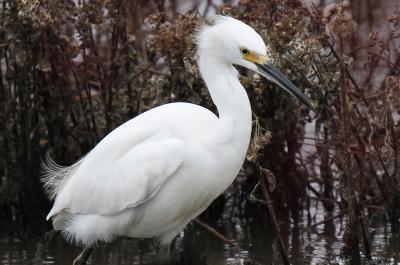
Snowy egret
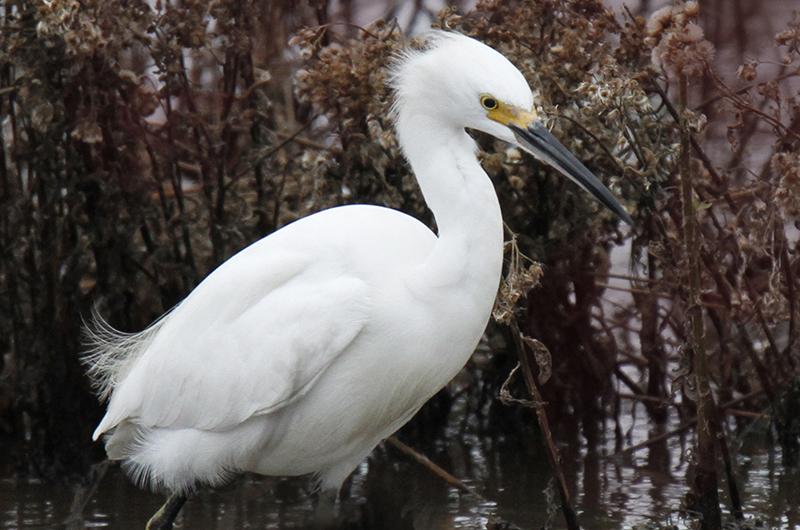
Snowy egret
Finally, reports of nesting birds. Gus Ben David’s tree swallows have fledged and the osprey on his pole are about to fledge. At Sheriff’s Meadow, Cathy Paris, Stu Wilson and Susan Whiting spotted a yellow warbler being chased by immature brown-headed cowbird on July 14. The latter was undoubtedly begging for food from its foster parent. And on July 18, Jeff Bernier photographed a young willet at Little Beach and Lanny McDowell photographed a wood duck with one chick at Cranberry Acres.
Please email your sightings to [email protected].
Robert Culbert is an ecological consultant with Nature Watch LLC living in Vineyard Haven.
Comments
A friend advised me years ago
Marie L. V.H.A friend advised me years ago to take down the bird feeders as soon as the daffodils bloom, and to put them up again after the first frost. Good advice.
Aside from that, I love reading the odd and funny names of the birds in this column, though I've never seen most of them. Peewee, indeed. I heard bobwhites, which used to be very common where I grew up, in upstate New York several years ago. I recorded them to share with my siblings. It's so nice to hear they are here.
I am wondering if the
Bonnie Waitzkin Music StreetI am wondering if the coincidence between spraying for ticks and bird deaths is meaningful. This spring, after myself, my grandchildren and the much loved dog, were bitten by deer ticks, we sprayed the Music Street property. No dead birds have been found, but the bird bath was much used that day, the chickadees were squabbling over the water. Displaced ants were trying to get into the house and onto outdoor furniture. Unintended consequences?
Readers should now that
Prudy Burt West TisburyReaders should now that permethrin, often used in tick/mosquito repellent sprays, is highly toxic to cats, our native pollinators, honey bees, butterflies; pretty much any insect flying at time of application will be killed. Just because a product says that it is plant-based (permethrin is a man-made synthetic insecticide derived from chrysanthemum flowers) does NOT mean that it is safe. As a long time landscape gardener, I understand only too well concerns about tick borne illnesses, but I prefer to treat myself, not the whole environment, when I'm working outside- tuck pants into socks, spray tick repellent on shoes/socks/pant legs, and employ daily and diligent tick checks.
A dead bird fell onto my
Evelyn Barish Nat's Farm Rd., W. TisburyA dead bird fell onto my patio overnight, 7/24/21, possibly a catbird? Over 12 inches long, white belly, yellow claws, horizontally striped tail, white and brown, brown-gray back feathers. The suggested longer article on the issue did not appear elsewhere in the Gazette. Please follow up with more information.
Thanks for excellent reporting. Evelyn Barish
Over the last few weeks we
Patricia K. AquinnahOver the last few weeks we have had 3 bob whites, one male and two females, wandering around our yard. This morning I saw one male at the side of our road. Yesterday while my husband was cutting the grass he discovered a number of chicks in a brushy area at the base of a small slope. A friend told me there is a bob white replenishing effort happening. Any information on this would be most appreciated because it is so exciting to see them again.
Add new comment