

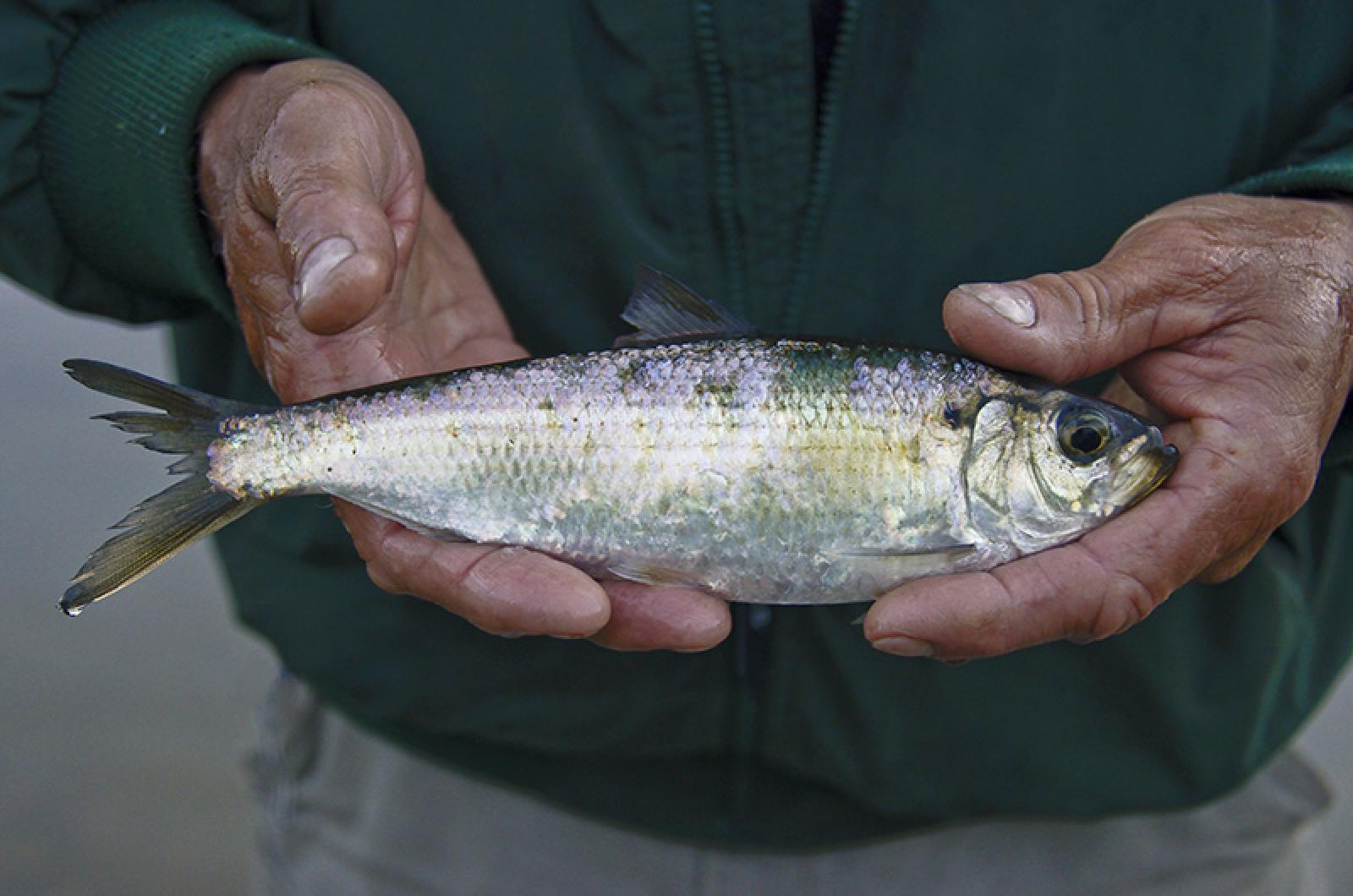
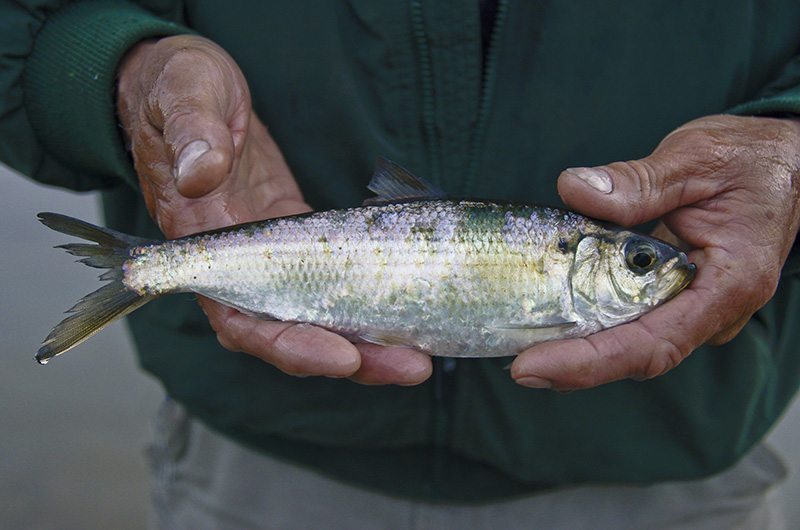
As part of a long-term grassroots effort, federal regulators recently passed legislation to protect dwindling Atlantic herring stocks.
As part of a long-term effort to protect dwindling Atlantic herring stocks, federal regulators recently approved an amendment to prohibit the use of midwater trawling vessels within 12 nautical miles off the coastline from Maine to Rhode Island, and 20 miles off eastern Cape Cod and the Islands.
The amendment was developed by the New England Fishery Management Council and approved by the National Marine Fisheries Service on Nov. 19. It is the product of a grassroots effort from local fishermen, boards of selectmen, state legislators and environmental groups who have been pushing for stronger management of the midwater trawl herring fishery for more than 20 years.
“The first and most obvious thing is what we won’t see: the lights of midwater trawlers, factory boats working in pairs, wiping out schools of forage fish like herring close to shore,” said John Pappalardo in a prepared statement. Mr. Pappalardo is the chief executive officer of the Cape Cod Commercial Fishermen’s Alliance, an organization that pushed hard for increased regulations.
“We aren’t going to see our near-shore [herring] immediately return to the fertility we knew in the 1990s, when huge shoals of herring coursed through, filling the water column from bottom to top. The fish have taken too hard a hit to come back that fast. . . it’ll be two to three years before we really know if our effort is paying off,” the statement continued.
In addition to moving midwater trawlers farther offshore, the New England Fishery Management Council passed a new regulation to guide the formula for setting annual quotas on Atlantic herring.
River herring could also benefit from the new regulations as they are often bycatch of the midwater trawlers.
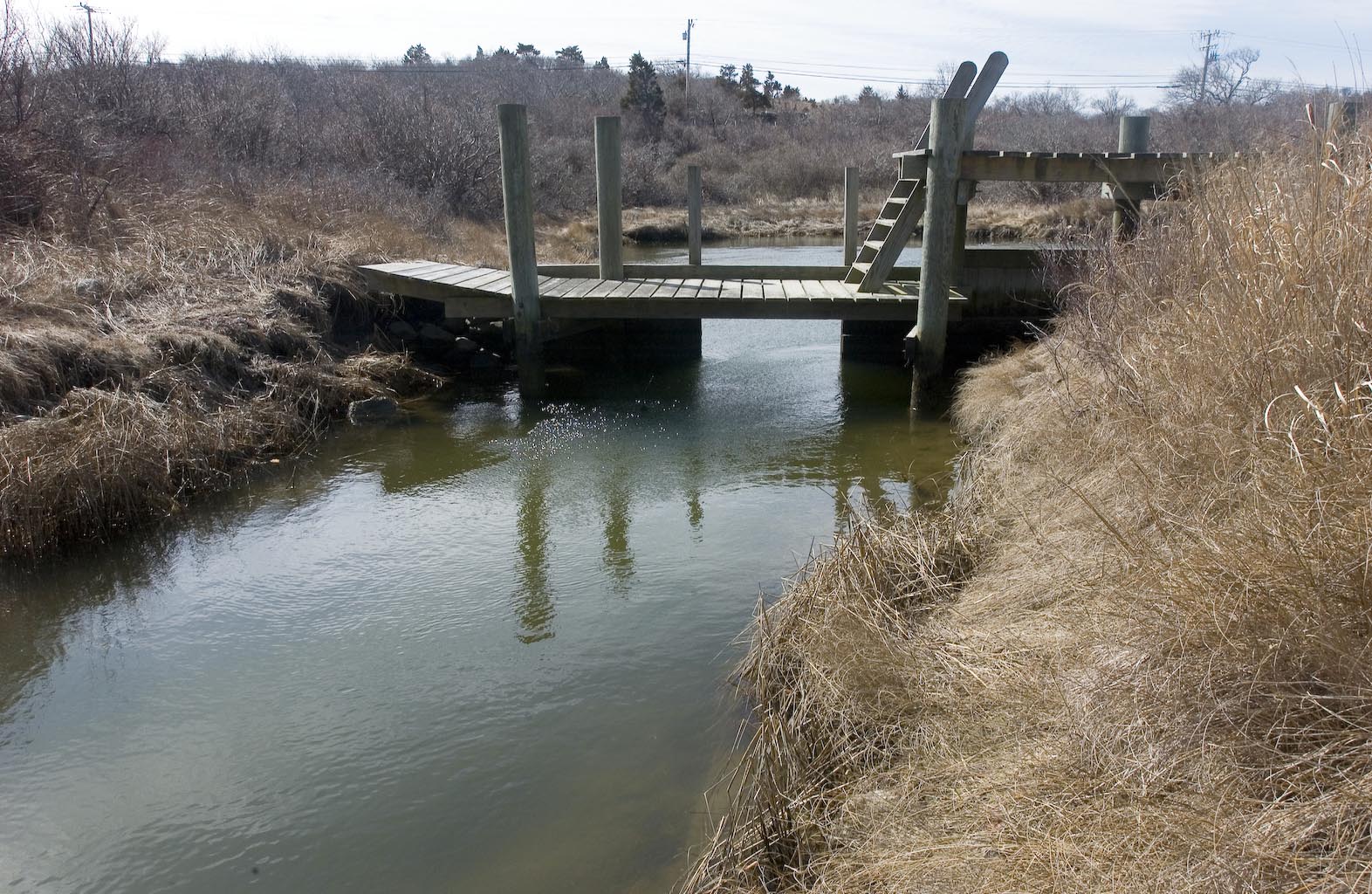
River herring could also benefit from the new regulations as they are often bycatch of the midwater trawlers.
“When resource is at a low point, like it is now, the fishing pressure will be decreased. And when the stock is healthy and at a high point, the quota will still be capped to a sustainable rate,” said Janice Plante, public affairs officer for the council.
Atlantic herring are forage fish eaten by tuna, cod, haddock, certain species of whales and many commercially harvested fish. According to Ms. Plante, declining herring stocks have had a ripple effect through the entire commercial fishing industry.
Pushing the midwater trawling fleet to a minimum of 12 miles offshore will give the herring a “buffer zone” to migrate without being pressured by commercial vessels but also allowing them to be eaten by other fish, aiding the health of the overall ecosystem, Ms. Plante said.
“Both the rules better account for herring as a forage species in the ecosystem,” she said.
Buddy Vanderhoop, a Vineyard charter captain who has pushed for regulations on the fishery for over a decade, said he was a proponent of the new regulations but felt that they didn’t go far enough.
“It’s a step in the right direction,” he said. “It’s a great thing they finally got the message to push these midwater trawlers further out. They catch millions of pounds per day and do nothing but make fishing tougher all around.”
Mr. Vanderhoop once managed the river herring run in Aquinnah before a moratorium was placed on the river herring fishery 15 years ago. River herring are an inshore relative of the Atlantic herring. Mr. Vanderhoop said the new regulations will help reduce the number of river herring scooped up along their migratory routes, often within three miles of the shoreline, as bycatch to the midwater Atlantic herring trawlers.
But with purse seine herring fishing still permitted close to shore, a five per cent bycatch limit on river herring still accepted and over 42 midwater trawlers still towing, albeit further offshore, Mr. Vanderhoop said there is a lot of room for increased regulation in the future if herring, both Atlantic and river, are to make a full return.
Comments
We need to protect our forge
Sully Cape CodWe need to protect our forge species in order to keep a sustainable fishery for all fishery species. Most important part of the food chain cause if we lose herring. We will lose everything!!!
I completely agree.
Carol formerly ChilmarkI completely agree.
Too little too late - again.
Philip C. Walsh Miami, FloridaToo little too late - again. By the time Congress approved the Studds/Magnuson Act in 1976, creating a 200 mile limit that excluded all but domestic vessels from our “economic zone,” the over 2,400 foreign fishing vessels fishing our continental shelf had reduced stocks of flounder, cod, perch and haddock to near extinction. With access to the fishing grounds now theirs, governments of the United States and Canada created low-interest loans and subsidies designed to increase and modernize their own fishing fleets. It worked, and in 1992 the fabled Canadian cod fishery was closed, while the American fleet reeled from one flawed policy after another, with the only constant less fish. Aside from two well-managed fisheries, Maine’s lobsters and Atlantic sea scallops, the economic impact of our Atlantic fisheries is insignificant, but that hasn't stopped the exploitation of whatever's left. Note that mid-water trawling captures entire schools of herring at a time, and that restricting this ruthlessly efficient harvest method to waters 12 or 20 miles off our coastline will do next to nothing to stop the eventual extinction of Atlantic herring. Captain Vanderhoop is spot on when he says the regulations don't go far enough. It wasn't long ago that the first sign of spring was a herring run up the island's freshwater streams, beautiful, silvery fish that ended up in kitchens or as bait for our small lobster fishery. The midwater trawlers sell their catch to either Rust-Oleum or to fishmeal producers. I'd rather my grandchildren saw these fish run up Herring Creek on a fine spring day than buy their remains at Home Depot. Too little too late - again.
Add new comment