


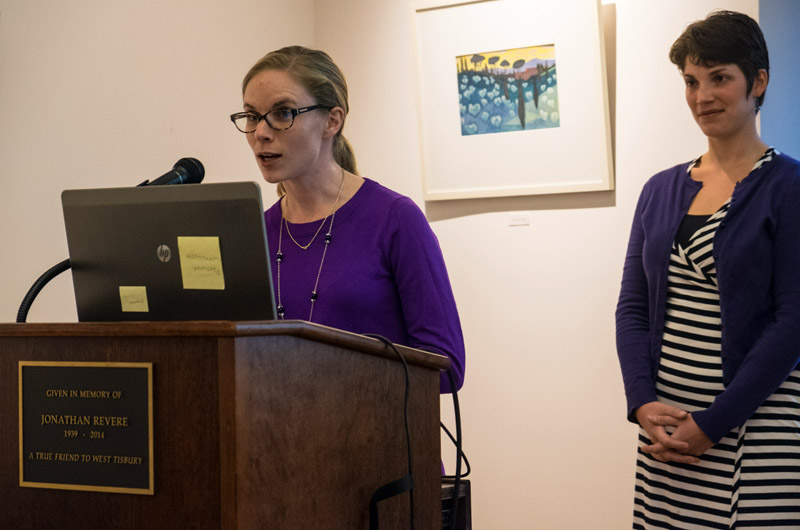
<p>Inconsistent data and outmoded record-keeping methods posed a major barrier to studying the addiction problem on Martha’s Vineyard.</p>
Inconsistent data, confusing information overlap and outmoded record-keeping methods were a major barrier to studying the addiction problem on Martha’s Vineyard, a group of medical and nursing students from the University of Massachusetts said.
Eight students from the Rural Scholars program recently spent two weeks on the Vineyard gathering information from Island law enforcement, nonprofit organizations and health care providers about heroin and alcohol addiction. One goal of the study was to assess treatment programs and their effectiveness.
Inconsistent data posed problems in the study of addiction problem on Island.
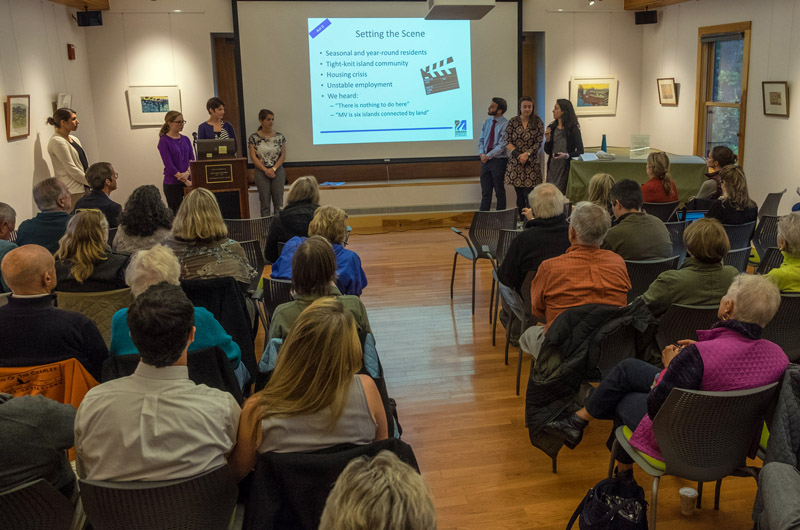
Inconsistent data posed problems in the study of addiction problem on Island.
What the scholars found was an array of information so fragmented and confusing that it stymied the study.
“You don’t feel like it’s 2016 when you use these,” said university student Rachel Wasserman during a presentation last Thursday, describing records the group examined.
At one point during the presentation at the West Tisbury library, the students showed a flow chart that diagrammed all the services available from different organizations. Though there were many effective programs, the flow of services led in many different directions, with no clear, continuous steps to recovery.
“It’s difficult,” said scholar Maggie Pollard. “Honestly, I don’t think I could explain the differences between all these. We’ve been here for two weeks and it’s all we talked about.”
The meeting was attended by health care providers, nonprofit executives and other stakeholders.
Rural Health Scholars is a program for medical and nursing students studying health care and public policy issues unique to rural communities. Past rural scholars studies on the Vineyard have included homelessness, Lyme disease and aging.
The addiction study came at the request of the Dukes County Health Council.
The group examined data from police departments, the Martha’s Vineyard Hospital, town EMS departments, the Dukes County Jail and death certificates.
Along the way, numerous problems cropped up.
For example, the scholars said it was difficult to estimate the number of the number of people who received treatment for a heroin overdose because they were unable to determine where the data overlapped.
They found coding inconsistencies in police data and on death certificates, making it difficult to precisely pinpoint cause of death.
At the Martha’s Vineyard Hospital coding inconsistencies, transition to a new coding system and privacy issues were barriers to accurate data collection, the scholars said.
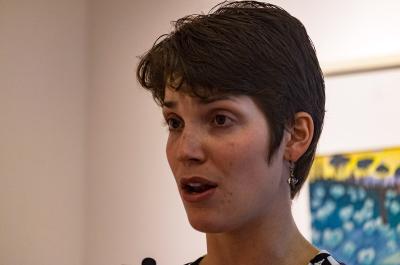
Rural scholar Maggie Pollard: "It's difficult."
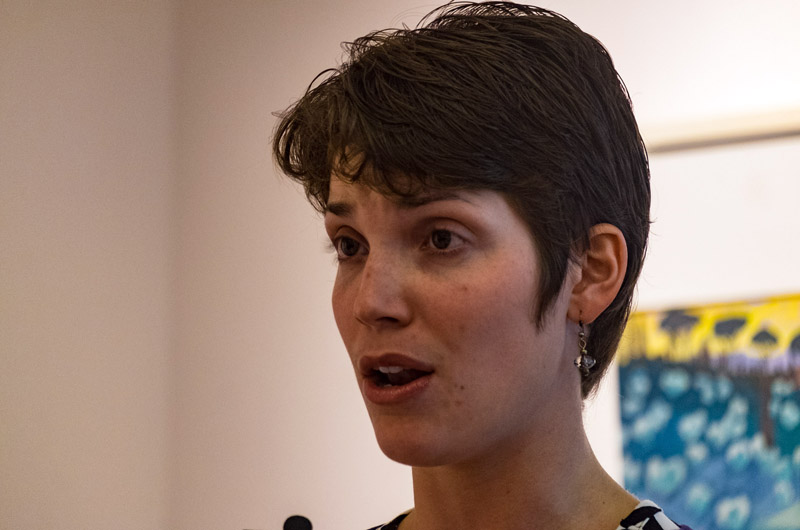
Rural scholar Maggie Pollard: "It's difficult."
In EMS departments, data is still manually collected with no computerized system for compiling reports.
Despite the problems, the scholars made four recommendations based on the data they were able to collect and projections made by analyzing past addiction rates and census data, along with interviews with dozens of people involved in treatment and recovery.
First, they recommended better education and prevention.
“The later drug use starts, the less likely the chance of addiction,” presenters said. The scholars called for an Islandwide kindergarten through high school foundational education program addressing the science of addition and stress management.
Second, the scholars recommended more early intervention. They estimated that between 1,000 and 1,200 people on Martha’s Vineyard need treatment and recovery services, but are not getting them. And they challenged the notion that a person has to hit rock bottom before he or she will seek treatment, calling it a potentially deadly myth.
“Just like if you had diabetes, you wouldn’t wait until your foot has to be amputated before making dietary changes,” Ms. Pollard said.
Third, they recommended better continuity of care through training and recruitment of addiction specialists to manage recovery by helping people navigate available services.
“Face-to-face interaction to engage patient services bridges gaps, creates transparency, and promotes collaboration,” presenters said.
Finally, the scholars recommended the six Island police departments, the four EMS departments, and the Martha’s Vineyard Hospital submit quarterly reports to the Martha’s Vineyard Drug Task Force. They suggested a simple one-page form that documents the number of arrests for driving under the influence of drugs or alcohol, the number of people taken into protective custody, the average age and gender of those treated, the number of suspected opiate overdoses and the number of overdose deaths.
“That will help with more real time reporting,” said student Nate Bombardier.
Comments
Wow 1200 people needing
Steve FalmouthWow 1200 people needing treatment?! What is the total population of the island?
About 18,000 fulltime
Chip Coblyn OBAbout 18,000 fulltime residents
About 15,000 year round.
Dave oak bluffsAbout 15,000 year round.
About 16000 all year around.
Peter K. TisburyAbout 16000 all year around.
Works out to a bit more than
Bruce Nevin EdgartownWorks out to a bit more than 1 in every 13 people.
Yes but, if you assume that
Steve FalmouthYes but, if you assume that most of the addicts are working age, it's probably more like 1/10 of all working age people on island...
Sadly, much worse than anyone
OB mom OBSadly, much worse than anyone admits to. Believe me.
This is tragic and upsetting
Melissa New YorkThis is tragic and upsetting beyond belief. With the heroine epidemic in MA and the overwhelming number or addicts and alcoholics on the island and that summer on and visit the island I can not believe that there is no better system in place. Wow. Something needs to be done. In this day and age it should not be so hard to coordinate data.
We have GOT to address this
Bill Croke Edgartown, MAWe have GOT to address this need. In order to intelligently tackle this pressing issue of substance abuse on MV we need to understand WHAT'S GOING ON HERE. Millions of dollars being spent protecting our young people, but we can't find $50k to hire someone to do this job? What's wrong with this picture??
50k to do what job exactly?
JR103 Edgartown50k to do what job exactly? Completely rework record keeping for each of the named organizations? It would take SO much more then that. Completely agree it needs to be done but this is an ENORMOUS scope way above and beyond $50k.
Recordkeeping? We don't do
WashAbhored EdgartownRecordkeeping? We don't do that on the Vineyard.
Add new comment