

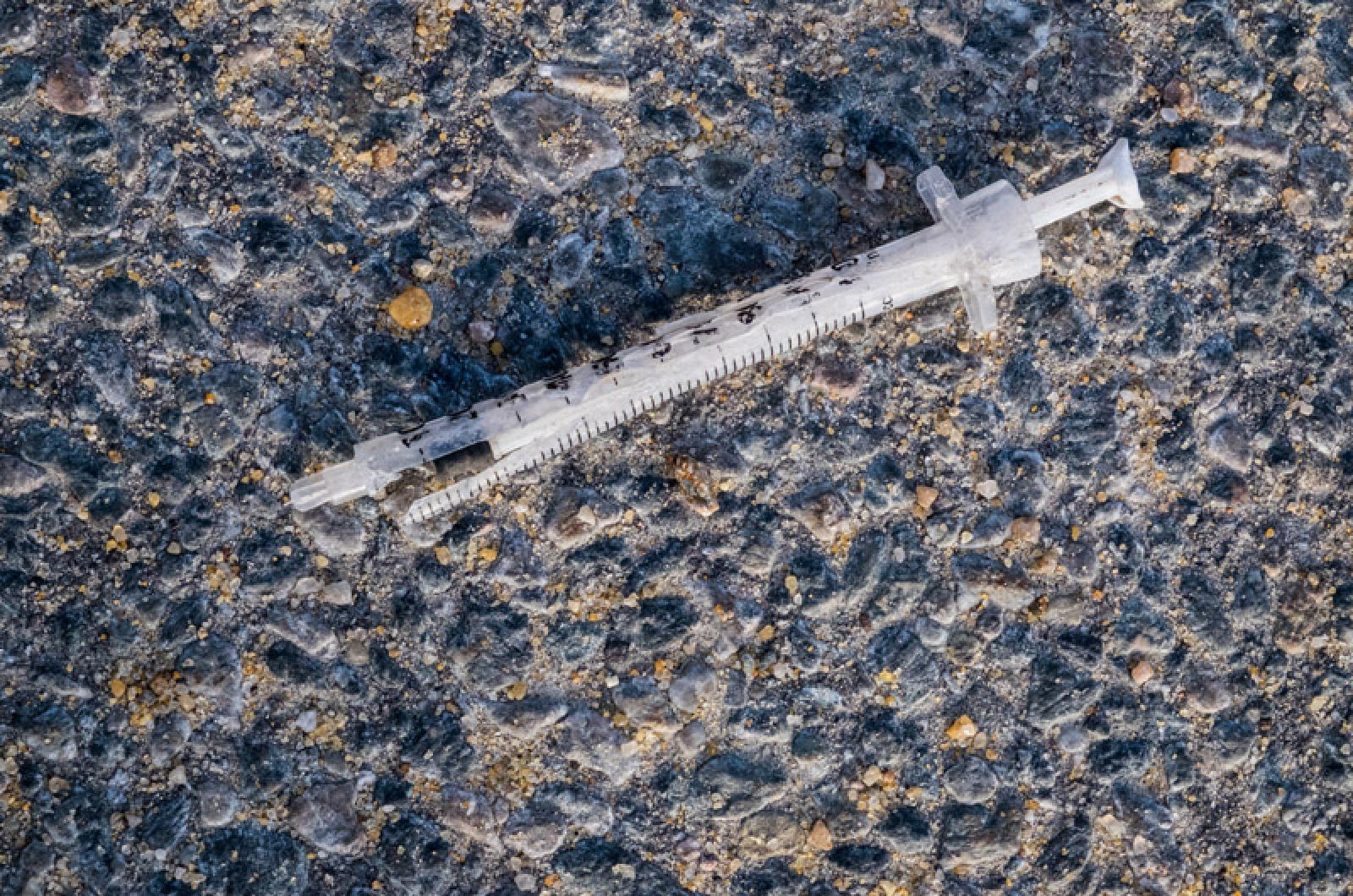
<p>In his important book Dreamland, journalist Sam Quinones traces the current heroin crisis to a shift that occurred in medicine three decades ago to treat people in pain.</p>
In his important book Dreamland, journalist Sam Quinones traces the current heroin crisis to a shift that occurred in medicine three decades ago to aggressively treat people in pain. Highly addictive opioids began being marketed and prescribed heavily; when users could no longer secure or afford prescription drugs, heroin traffickers entered the breach with cheap supply.
Once considered a marginal problem confined to society’s underbelly, heroin has gone mainstream, and suddenly it seems everyone has awoken at once to its dangers.
Just this week, the Centers for Disease Control issued new guidelines on when and how to treat chronic pain, and Massachusetts Gov. Charlie Baker signed wide-ranging legislation designed to stem over-prescription of opioids, expand treatment options, screen for addictive behavior and increase public education.
On the Vineyard, meetings have sprung up across the Island to discuss a perceived lack of coordination among agencies and groups that touch on the issue. In fact, what is emerging is that a strong network of resources already exists; the missing piece may simply be broad public awareness of it.
At a meeting of the Youth Task Force last week called to “connect the dots,” more than 30 school officials, addiction specialists, counselors, law enforcement and representatives from MV Community Services, the hospital, the YMCA and Vineyard House, among others, laid out well-coordinated steps that are routinely employed to help addicts get help.
A separate informational meeting held by Narcotics Anonymous drew a small crowd to the Islandwide Youth Collaborative building where organizers noted there are meetings of Narcotics Anonymous every day of the week, in addition to the dozens of weekly meetings of AA across the Island. These are listed on the Gazette website as well as elsewhere.
Tonight, the Martha’s Vineyard Film Festival will open with a powerful film about the impact of heroin on Cape Cod, followed by a panel discussion that will range from the role of Narcan in saving lives to the use of Suboxone in helping former addicts live productive lives. Today on the Island, Narcan – which instantly reverses the effect of an overdose — is in regular use by emergency medical and law enforcement personnel and available without a prescription at Conroy’s.
Where gaps remain in prevention and treatment and support for families, there is work under way to fill them. Addiction is notoriously difficult to treat, but for people with a desire to get clean, there is a vibrant recovery community here ready to help.
Comments
I have been just so curious
CuriousI have been just so curious if there is any punishment if someone is caught in the act of just throwing these used needles all over the island which we have seen many in big clumps?
I also believe that in 90% of the cases Addiction is NOT a Brain Disease, It is a Choice and once it is treated as such very little progress will be made.
Stop the supply, punish dealers and users! As time goes on we have seen crime, deaths, broken families all attributed to this issue and it is just out of control!
Nothing is obviously working as it is growing so maybe think about what I suggested instead of coddling the criminals which it is illegal and drop the PC way of looking at the problem start looking at it that in 90% of the cases Addiction is NOT a Brain Disease, It is a Choice.
One is born or catches a disease such as cancer but one or two times willingly trying the drug(s) for whatever reasons is a intentional act which causes all this destruction to our people, our island and our country as a whole. And this fact is very widely known!
Curious, its rarely as simple
DownislanderCurious, its rarely as simple as "someone makes a choice". Its my understanding that we are talking about people who are self medicating because of physical pain, depression, mental illness, etc. they are not making a well considered, thoughtful choices. They are acting out of desperation to feel better. Their actions have serious consequences and repercussions for the whole community. I dont know the answer, but i dont believe throwing all these folks in jail is going to fix this. The underlying causes of this need to be addressed.
Add new comment