

<p>On Saturday, March 9, the partnership of the Vineyard Conservation Society and the MV Film Society will host its next Green on Screen event, a series of films that explore and bring attention to environmental issues. This time; everything you ever wanted to know about biophilic design but were afraid to ask.</p>
On Saturday, March 9, the partnership of the Vineyard Conservation Society and the MV Film Society will host its next Green on Screen event, a series of films that explore and bring attention to environmental issues. This time; everything you ever wanted to know about biophilic design but were afraid to ask.
Perhaps we should begin at the beginning. Biophilic design is a by-product of the biophilia hypothesis. Got it? No? Well, perhaps this is because too much time indoors in buildings designed to separate humans from nature rather than integrate the two has caused rigor mortis of the mind.
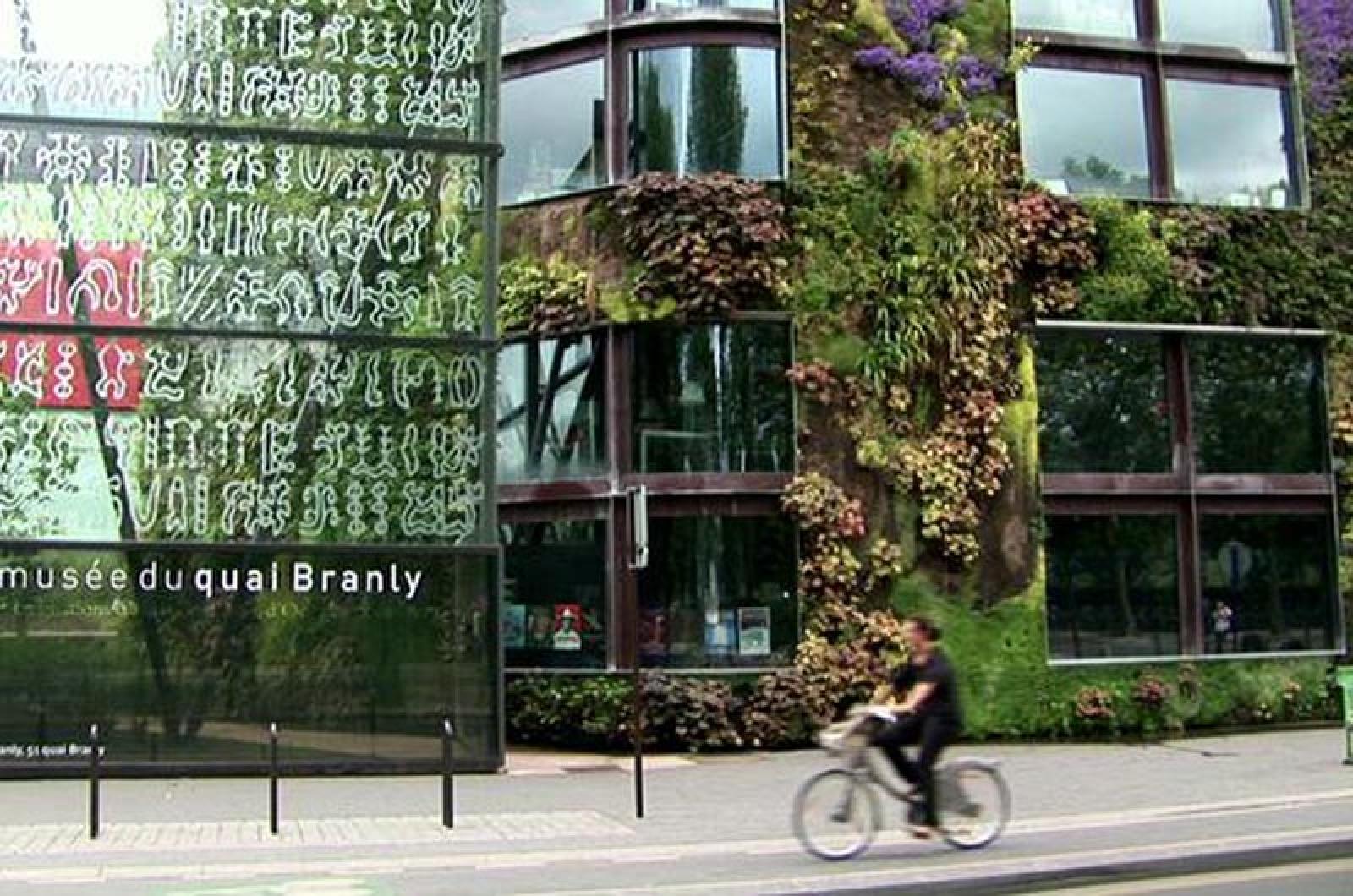
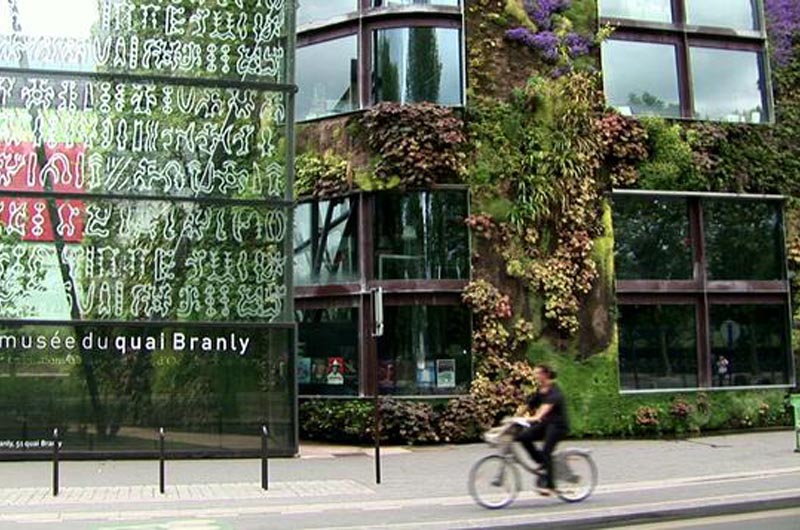
To break it down more clearly, biophilic design is the way in which architecture can be used to actually enhance a connection to the natural world, rather than shutting the door on it. The movie is called Biophilic Design: The Architecture of Life and the executive producer Stephen Kellert will also be on hand for a discussion after the movie. Professor Kellert is the co-originator (along with E.O. Wilson) and a primary developer of the biophilia hypothesis.
The movie will show that how a building is created, in particular its openness to being one with the environment, has resulted in “hospitals where patients heal faster, schools where children’s test scores are higher, offices where workers are more productive, and communities where people know more of their neighbors and families thrive.”
That sounds like a tall order but who doesn’t feel better when sitting under a tree rather than in a stuffy office cubicle.
The movie begins at 4 p.m. at the film center located in the Tisbury Marketplace.
For more information, visit vineyardconservation.org.
Comments
Right on. It's amazing the
Nick van Nes West TisburyRight on. It's amazing the degree to which humans will go to get closer to nature (beautiful views, etc.) without actually becoming a part of it, as we step out of our air conditioned guest houses onto their docks out to our dinghy to take us out to the beach without actually having to get any water on our manicured feet. We have become much to protected and frail and afraid. Our architecture reflects that. We need to become hardier. More earthlike.
Add new comment