

Ten months after the Trump administration halted all offshore wind energy permitting, Massachusetts officials are calling out the federal government for having no end date in sight and none of the promised environmental reviews.
Ten months after the Trump administration halted all offshore wind energy permitting, Massachusetts officials are calling out the federal government for having no end date in sight and none of the promised environmental reviews.
On his first day in office, President Donald Trump signed an executive order that froze all permitting and stopped any further leasing of U.S. waters for offshore wind energy projects like the ones that have been proposed for south of Martha’s Vineyard.
As part of the permitting pause, the federal government said it would undertake an environmental and economic review of both existing and proposed wind farms.
Massachusetts, joined by more than a dozen other states and industry advocates, filed a lawsuit over the executive order, arguing that the permitting pause had no legal justification and harmed that state’s attempts to secure renewable energy.
In Massachusetts federal court last week, Department of Justice attorney Michael Robertson couldn’t give Judge Patti Saris any insight on when the reviews would be complete or when the alleged temporary pause might end.
“It’s not so early anymore, 10 months in,” Judge Saris said. “Is there an end in sight?”
“We do not have an anticipated end date, your Honor, but part of that is because of just the voluminous nature of review that’s going on,” Mr. Robertson said.
At the hearing before Judge Saris on Nov. 18, Turner Smith, the Massachusetts attorney general’s top environmental lawyer, said states along the east coast have invested billions of dollars into wind energy development and rely on federal agencies to duly process applications for wind farms.
“But agency defendants brought all of that to a halt overnight in their sweeping decisions to pause everything,” she said.
“They’ve upended the system altogether....” Ms. Smith continued. “They point just to the wind directive itself as a basis, but the wind directive by itself cannot supply a reasoned basis. ‘The President told us so’ is not a reasoned basis for decision making, and the wind directive itself does not supply the required explanation.”
The court hearing touched on similar indefinite moratoriums on gas and oil projects by the Biden administration. Judge Saris raised questions about what a “temporary” pause really meant in this case.
“I suppose the word ‘temporary’ is in the eyes of the beholder.... I’ve seen these reviews of government, and sometimes it takes three and four years to do these regulatory processes,” she said. “They are indefinite. They do go on forever. That was true under the Biden administration too.”
Ms. Smith focused on the fact that there was little evidence that the government was undertaking its promised reviews, dashing hopes for determinations to be made.
“We’re 10 months in at this point, and there is no sign of any approval or the comprehensive assessment on which they await,” she said.
The federal government attorney pushed back on that though, saying that several different agencies were in consultation with the Department of the Interior, which is tasked with overseeing offshore wind energy.
For example, the National Oceanic and Atmospheric Administration recently sent over a robust set of documents for the Department of Interior to consider, Mr. Robertson said.
While he understood the concerns from the states, he also argued that they were using the wrong channel to challenge the government’s decisions on offshore wind, saying it would be more appropriate to assert unreasonable delays on individual projects.
No decision on Massachusetts’s request to toss out the Trump wind memorandum was made last week, but Judge Saris said she would take the issue under advisement.
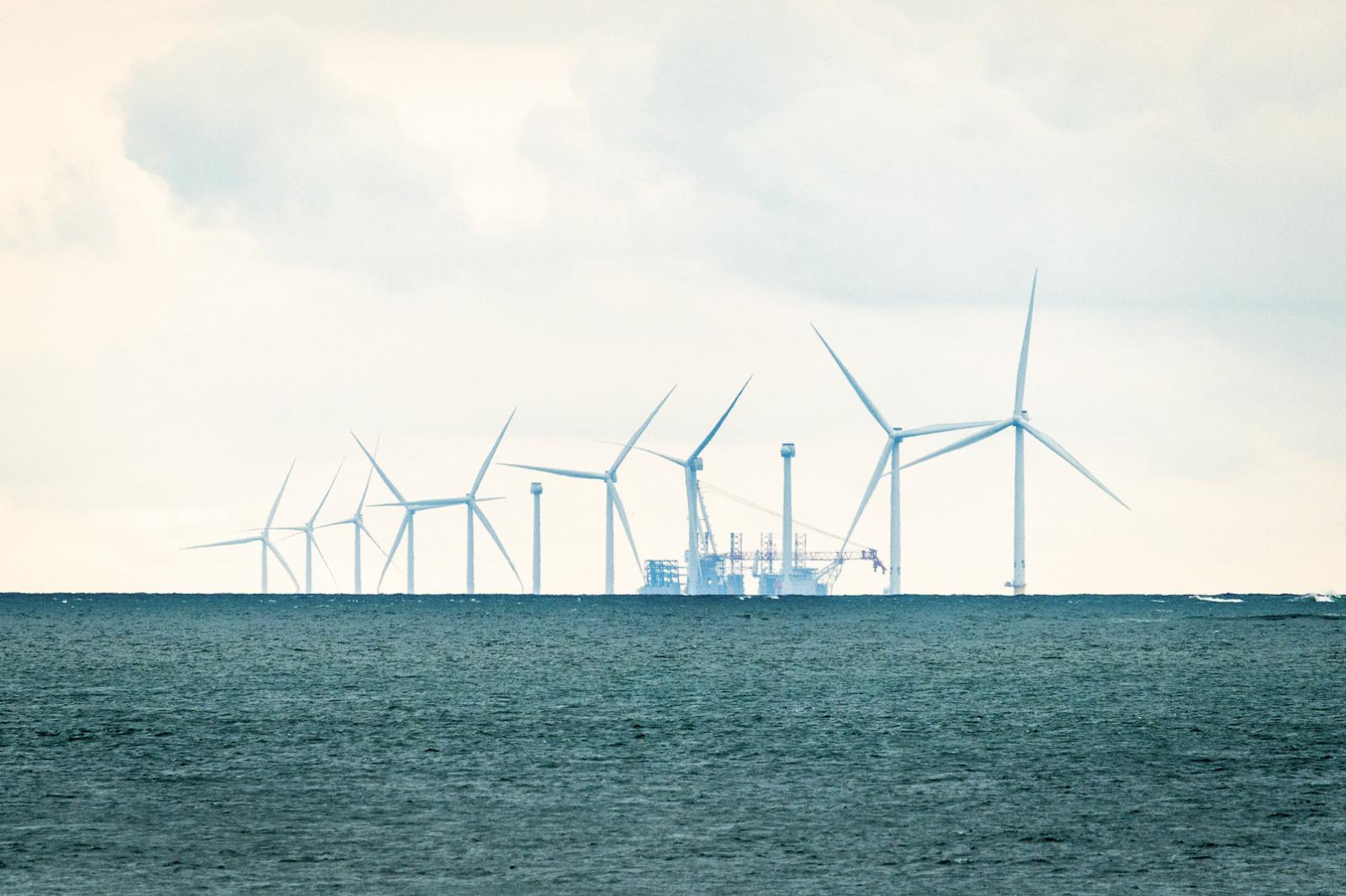
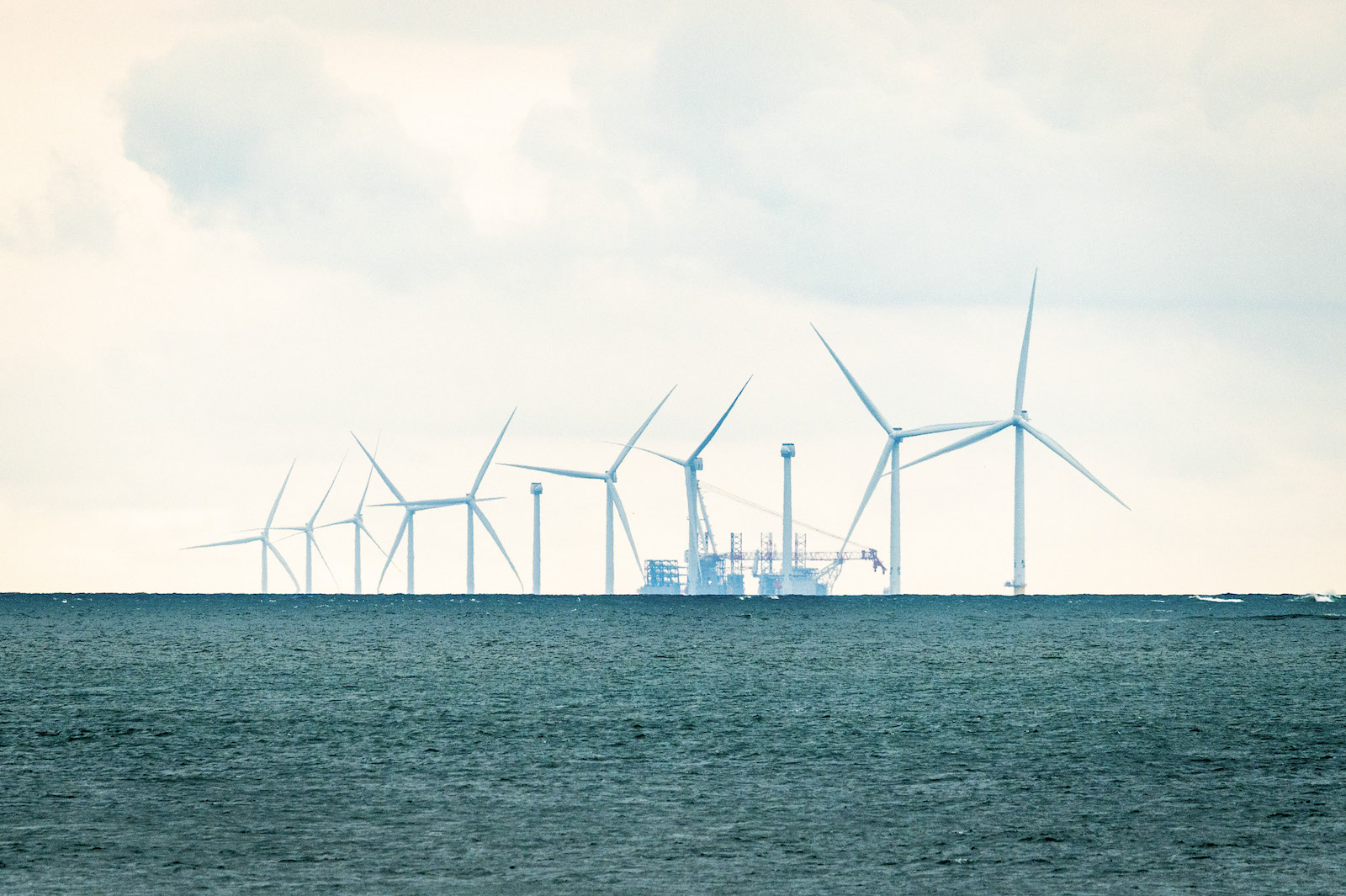
In the meantime, several projects are stuck in limbo, including SouthCoast Wind, a 141-turbine project that is proposed for about 30 miles south of the Vineyard. Earlier this month, a federal court in Washington, D.C. allowed the federal government to reconsider the construction plan approval for the project, which had been granted in the waning days of the Biden administration.
The indefinite delays have cost the projects millions of dollars, according to court filings, and have also endangered contracts with the states that are planning to buy energy from them. Other projects that have already made it through the permitting pipeline have started construction, including Vineyard Wind and Revolution Wind, two large projects off the Vineyard’s shores.
Comments
Before the Judge Saris case
Frank Haggerty Cape CodBefore the Judge Saris case November 18, a federal judge in Washington, DC on November 4 ruled
Trump, through the Bureau of Ocean Energy Management, could review the SouthCoast Wind permit.
The Washington case is Tanya S. Chutkan, United States District Judge, Case 1:25-cv-00906-TSC Document 31 Filed 11/04/25. If Judge Saris rules against Trump, he will then just restart using the APA Administrative Procedure Act.
Got to love thees massive
Great photo EdgGot to love thees massive ships in the back drop with cranes burning dinosaurs as they trudge out to the open ocean. Anyone notice how the Vineyard Wind Marine Depot in VH has like little to no action? 4-5 cars parked under their massive building? All this $$$ huh? If you cannot openly question the efficacy of off shore wind without being labeled a "denier" well, Houston, we have a problem.
Hate Trump but love that he
Year RounderHate Trump but love that he did this
“Houston, we have a problem”
Wes Nagy West Tisbury“Houston, we have a problem” is right. I’ve been saying this since we had the first town meeting on Offshore wind. Putting a polluting nonfunctional wind farm in the middle of Nantucket. Sound will go down is one of the biggest mistakes to hit our waterways. I am not against wind power, just not out in the middle of the ocean, polluting our fishing, conking and recreational areas for no reason whatsoever other than to make the grifters richer.
Just not where you can see
Carol formerly ChilmarkJust not where you can see them, in other words. OK, where do you think they should go, then? If we had anywhere else that was practical for siting them, they'd be there. I notice how none of these comments - not one - mention climate change. Not important, right? Hey, you'll be dead before the sea rises enough to claim your home and the wildfires burn the rest, so who cares, just keep your view clean, right?
When a Danish entity is the
Follow the $When a Danish entity is the largest shareholder of an operation like this and ultimately when (not if) the capital expenditure exceeds gross revenues for this project (experiment) like any other bond sale backed project, it will fail to return capital and the real burden will not be on the foreign entities who originated the deal, but in fact our community and local / state / federal government. In the absent “end of life” plan (would love to see one if it exists) can we even fathom the shear costs to dismantle these structures as needed? Climate change or not, opposition to this wind mill experiment is rooted in the obvious impediments not the denial of any such science.
Add new comment