


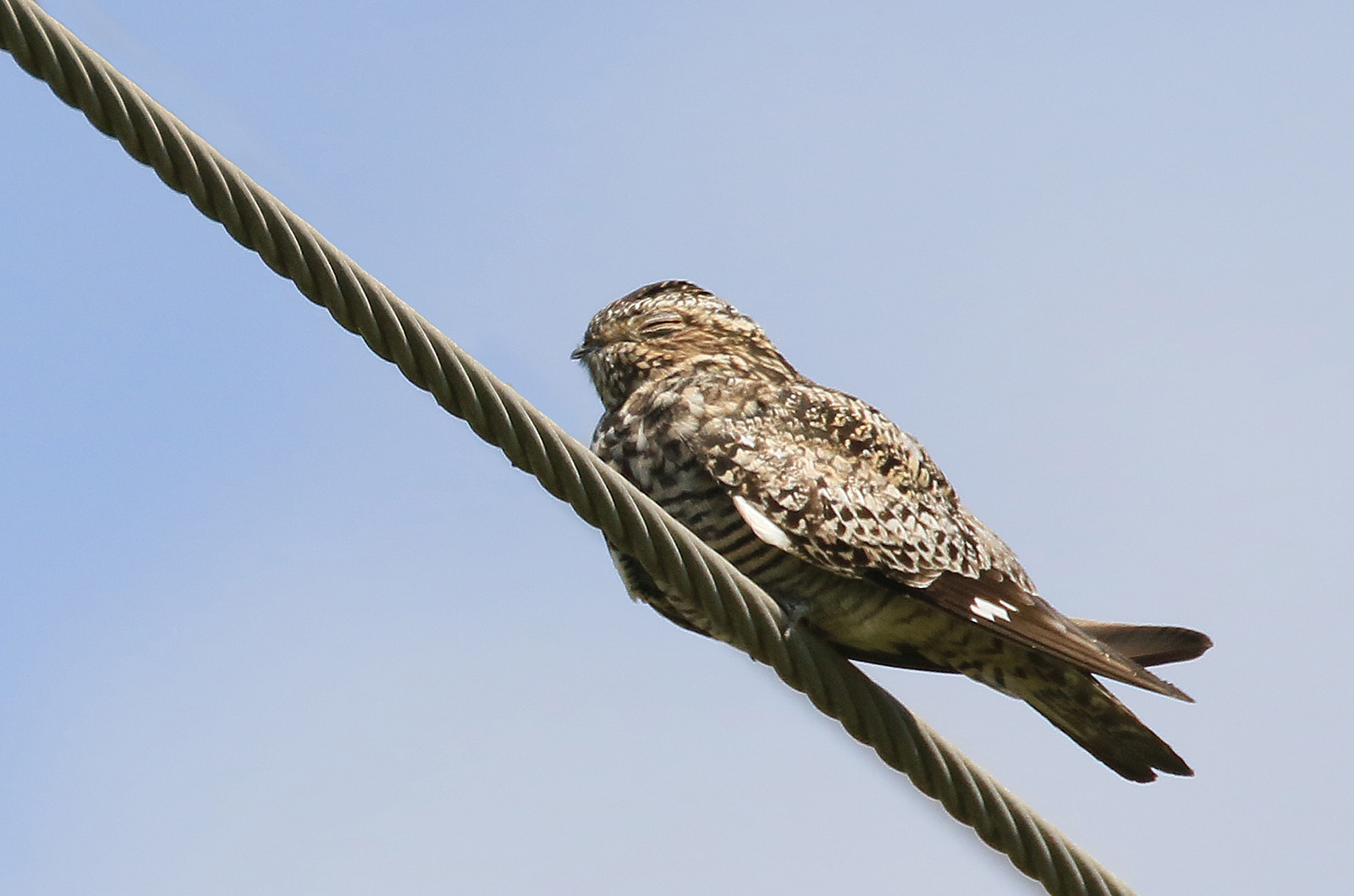
This long-winged species flies in graceful loops as they chase and catch insects on the wing. They are most likely to be seen in the late summer as they fly overhead on their southbound migration.
This long-winged species flies in graceful loops as they chase and catch insects on the wing. They are most likely to be seen in the late summer as they fly overhead on their southbound migration. Matt Born spotted the first common nighthawk of the year (they do not nest here) along Clay Pit Road in Aquinnah on August 14. Allan Keith has occasionally heard and seen them at the fair, so listen for their sharp peent call and look up as you may see one.

Baltimore Oriole

Baltimore Oriole
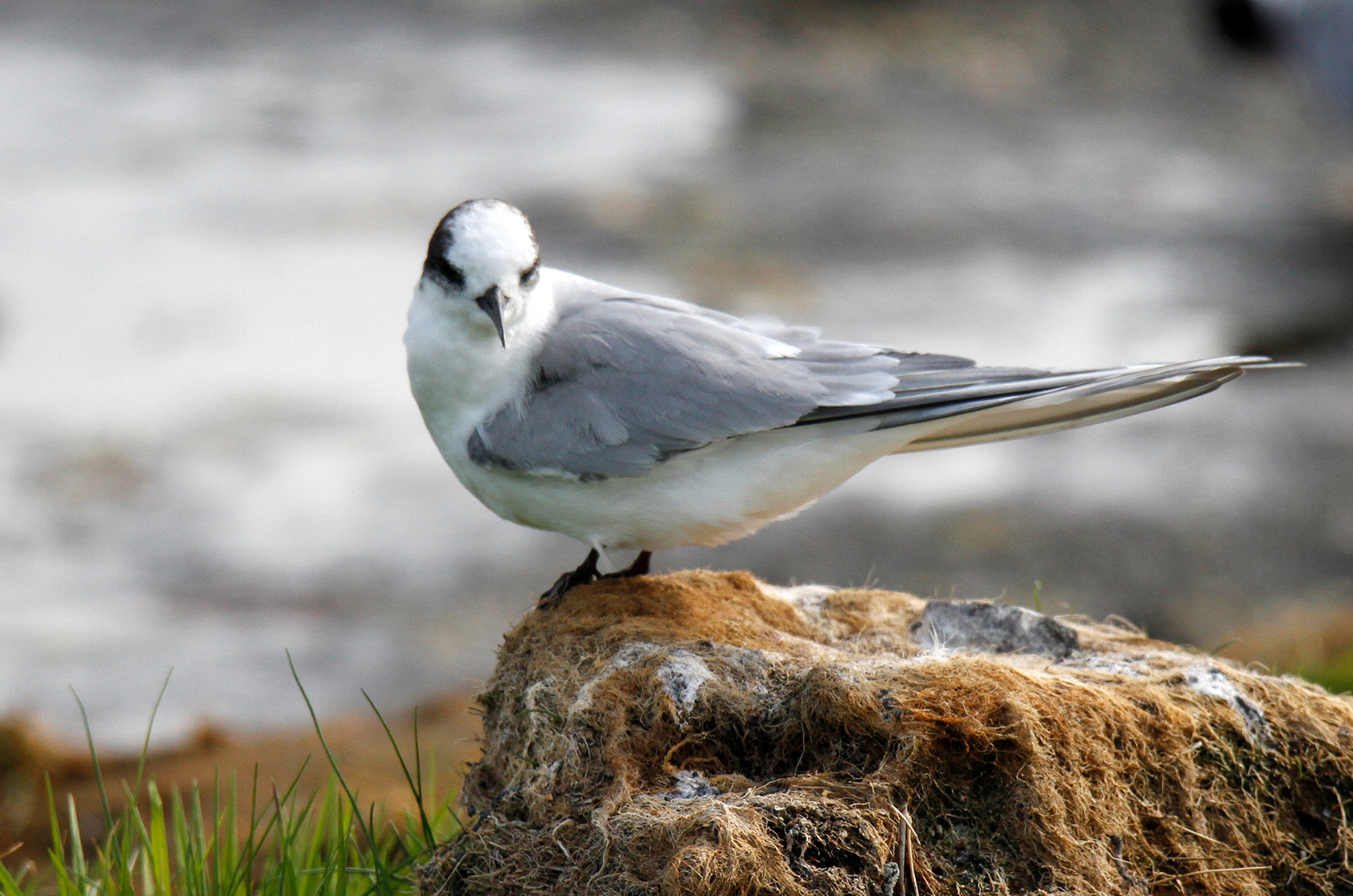
Another new species for the year is the Arctic tern. Careful detailed observations are necessary to identify this species because it is very similar to our common and roseate terns. We have two sightings this week. Charles Morano found one along with 25 common and 31 roseate terns at Wasque Reservation on August 13, and Judd Nathan and an anonymous observer spotted one along with two common and two Forster’s terns on Norton Point on Aug. 14.
What can we say about mourning doves? They are underrated, perhaps because they are incredibly common with an estimated 350 million of them in North America. There were 20 sightings of them across the Island this week — too many to list. Their plaintive call “cooo” is supposedly a prediction of rain. Maybe we need to get them to call more frequently in the hopes that they can contribute to the end of this drought.
Not much has changed on the shorebird front. There are about 20 species here now, and they may be present on just about any beach. They are most common where there are expansive tidal flats, like on Norton Point, Little Beach and the great ponds along the south shore when they are open to the ocean.

Barn Owl
Barn Owl
The most notable sighting this week is of perhaps the largest shorebird we see here. Judd Nathan and an anonymous birder report finding two whimbrels on Norton Point on August 14.
The only ring-necked pheasant sighting so far this month is from Felix Neck, where Steve Allen found it on August 11. It has been seen there regularly, and from 10 other sites this summer.
Yellow-billed cuckoos seem to be more common this summer. They are always more frequently heard than seen because of their loud distinctive call and a tendency to remain stationary in the treetops. Ten years ago, this species was not heard frequently, just one to three times per summer. This year they have been heard 11 times, most recently by Philip Edmundson in the Watcha Pond woodlands on August 14.

Common Loon
Common Loon
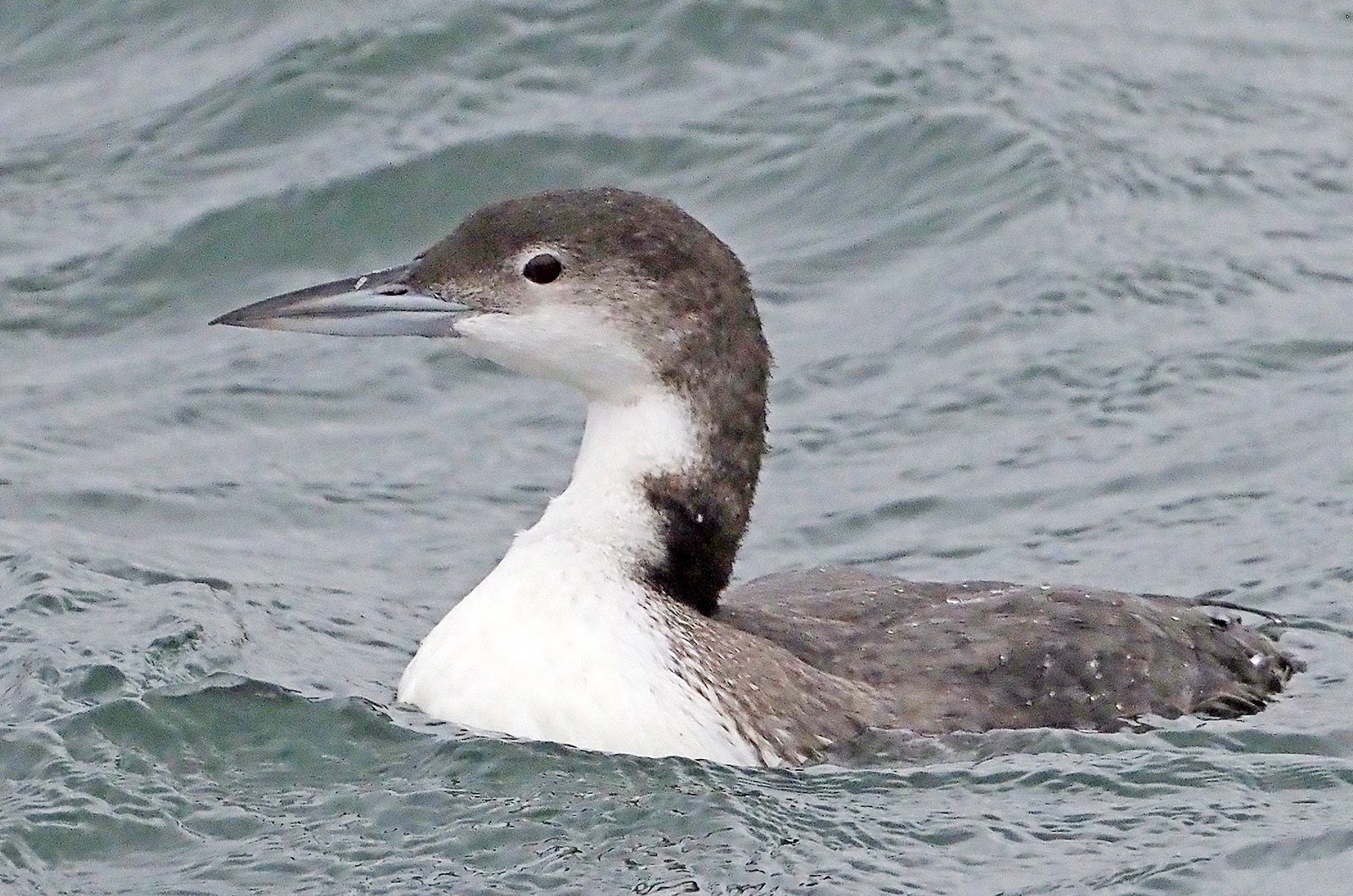
Common loons are winter residents but a few linger through the summer. Bob Shriber saw four at Pilots Landing on August 13. On August 16, Susan Whiting and Ruth Richards found one in Tisbury Great Pond and Terry Morrison found two in Menemsha Bight.
Ruby-throated hummingbird migration started this month and will continue into October and even November, so it is no surprise that there are several sightings this week. Jonathan Irons observed four on August 14 — one each at Menemsha Beach, Squibnocket Beach, the Beach Plum Inn and the Gay Head Cliffs. Cynthia Bloomquist observed two off Tea Lane on August 14, and Bob Shriber found one in Aquinnah on August 17.

Common Nighthawk
Common Nighthawk
Where would we be without scavengers? Turkey vultures have been seen this week. Jonathan Irons spotted one at Squibnocket Beach on August 11, Bob Shriber saw one at the Keith Farm on August 11, Ruth Richards had one at Tiasquam Valley South on August 13, Judd Nathan and an anonymous birder saw one at Norton Point on August 14, I had one fly close by me at Squibnocket Pond South on August 13, Nancy Weaver spoted two at Red Beach on August 15, and Ruth Richards and Susan Whiting saw one at Tisbury Great Pond on August 16.
Meanwhile, Steve Allen spotted a bald eagle at Felix Neck on August 11, and again the next day.
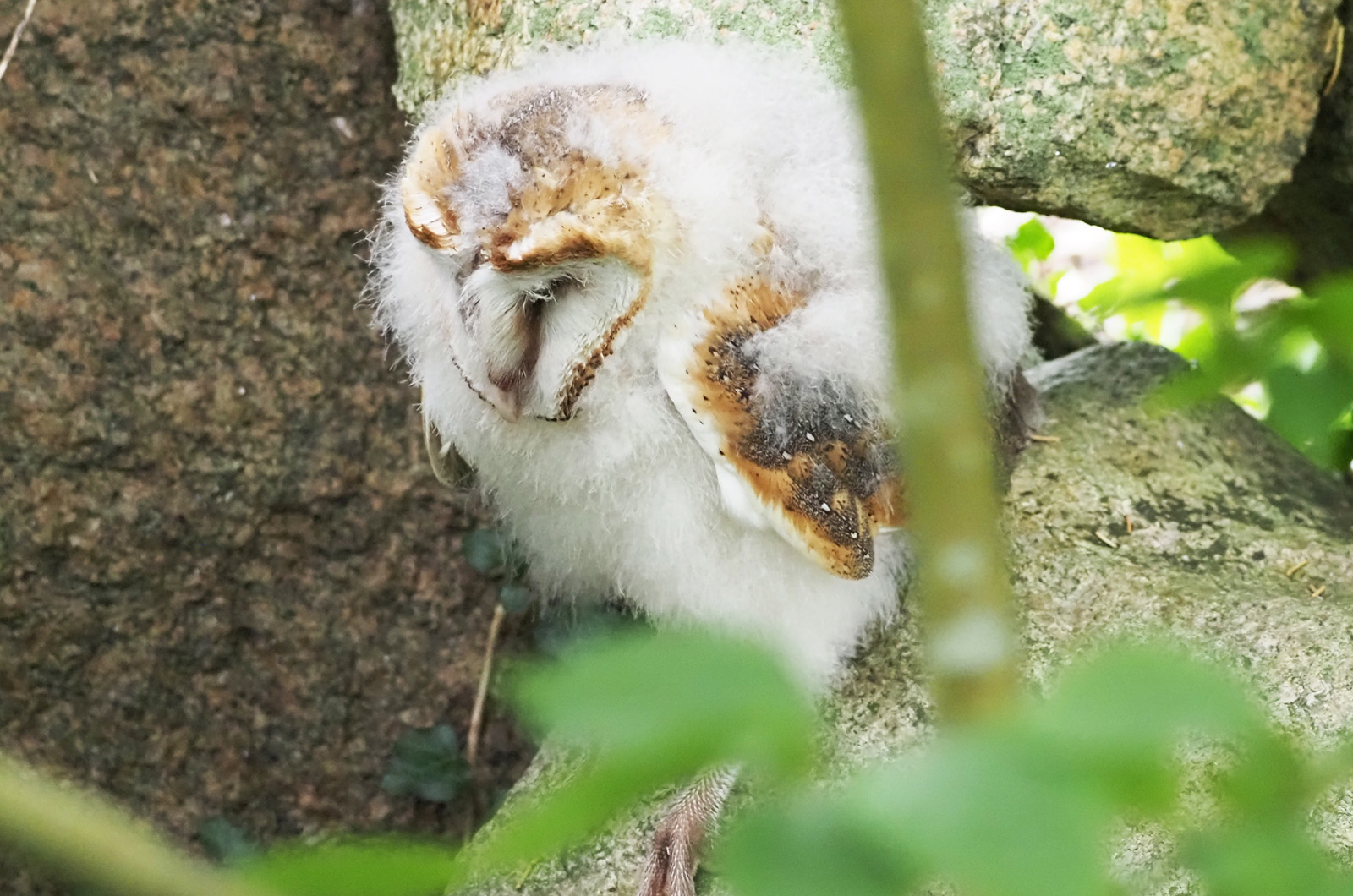
Owls are not easy to find in the daytime but Charles Morano discovered two juvenile barn owls perched on the cliffs at Wasque Reservation on August 13. Easier to detect are vocal screech owls. Michael Minkiewicz and Jonathan Irons discovered one at Felix Neck on August 12, Matt Born heard two at Clay Pit Road in Aquinnah on August 14, and Steve Allen reports one at Windsor Drive in Edgartown on August 17.

Mourning Dove

Mourning Dove
I heard a noisy something pounding away loudly on a tree above the white trail at Cedar Tree Neck on August 16. I looked up and found a juvenile hairy woodpecker — its beak sure looked huge.
Nathaniel Sharp found a horned lark on State Beach on August 16. They nest in the dunes there.
Birders love their Baltimore orioles! Our summer resident birds are probably still around though they are mostly quiet now. Their southward migration runs from now through the end of September, although some will linger and maybe even attempt to overwinter. Jonathan Irons observed one at the Beach Plum Inn on August 11, Michael Minkiewicz and Jonathan Irons found two at Felix Neck and one at Red Beach on August 12, and I heard one singing in my Vineyard Haven yard on August 15.
The only obvious migrant warbler spotted this week is a northern waterthrush spotted by Charles Morano along Donaldbin Close on August 15. He also observed an ovenbird there. The other warblers seen may be migrants or they may be our summer resident birds lingering. Common yellowthroats and yellow warblers are still fairly common, being reported six times each.

Turkey Vulture
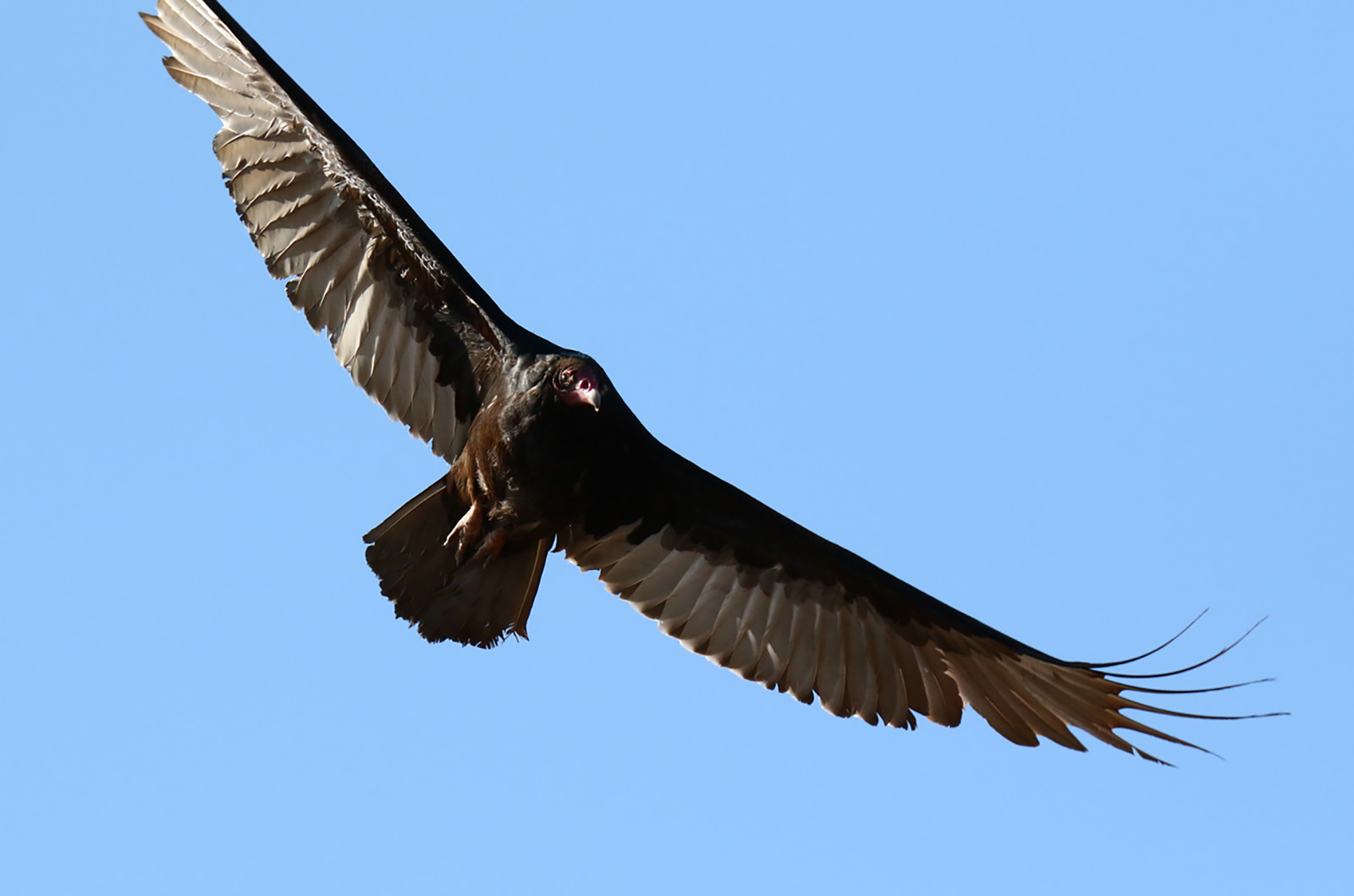
Turkey Vulture
Jonathan Irons saw one prairie warbler at the Beach Plum Inn on August 11, and the next day he and Michael Minkiewicz located a black and white warbler at the Gay Head Cliffs and another at Felix Neck.
I heard and then located one black and white warbler at Priester’s Pond on August 11, Philip Edmundson found one pine warbler in the Watcha Pond woodlands on August 14. Bob Shriber detected one blue-winged warbler, a black and white warbler and two American redstarts in Aquinnah on August 17.
Please email your sightings to [email protected].
Robert Culbert is an ecological consultant living in Vineyard Haven.
Add new comment