


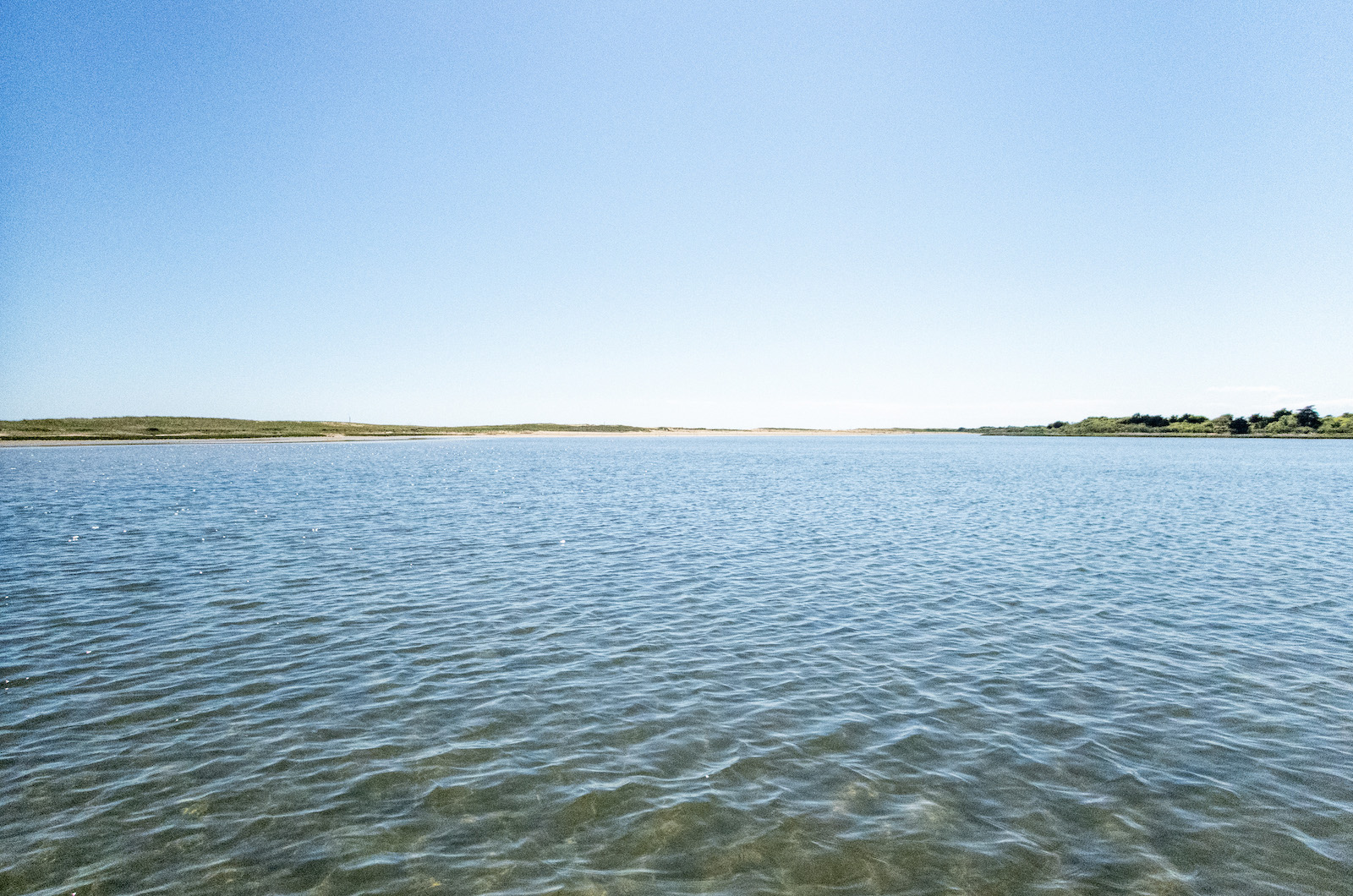
The state Division of Marine Fisheries closed Menemsha Pond and Katama Bay to oyster harvesting last week as a precaution after people have become infected with a gastrointestinal illness.
The state Division of Marine Fisheries closed Menemsha Pond and Katama Bay to oyster harvesting last week as a precaution after people have become infected with a gastrointestinal illness.
Five people were diagnosed with campylobacter, an infection that causes diarrhea, vomiting, fever and stomach cramps for up to seven days. The illness is primarily contracted from consuming raw poultry, but can be transmitted from raw seafood or contaminated water. State officials said all ill parties ate raw oysters from the pond and bay during the week of July 12 prompting the closure which went into effect on August 1.
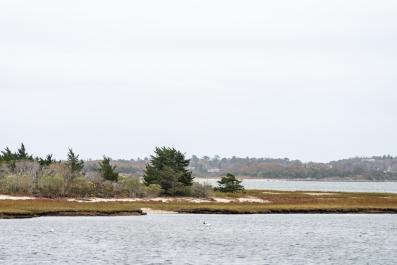
Menemsha Pond and Katama Bay were closed to oystering on August 1.

Menemsha Pond and Katama Bay were closed to oystering on August 1.
State officials said the closure on oyster harvesting at both locations was precautionary in nature and they do not have an expected date to open.
“These measures were taken in an abundance of caution,” said Edgartown health agent Brice Boutot. “We’re waiting on results before we take any official action.”
Oysters and water samples were collected from multiple locations in the pond and bay, which are currently being analyzed by the Division of Marine Fisheries lab in New Bedford for fecal coliform levels. Mr. Boutot said he’s optimistic that results should come in by Friday.
A recall for oysters harvested before the closure in both Menemsha and Katama was deemed unnecessary by the state.
“In this case, we just let the restaurants know that this is an ongoing thing and that the [Division] of Marine Fisheries is looking into it,” said Marina Lent, the Aquinnah health agent.
Oysters are still being harvested in other parts of the Vineyard, including Lagoon Pond.
The Centers for Disease Control estimates 1.5 million people in the United States get ill from campylobacter each year. For oysters in Massachusetts, campylobacter contamination is rare due to rigorous shellfish safety standards, water quality testing and modeling and shellfish sampling, state officials said.
Mr. Boutot said anyone with symptoms should contact Betsy VanLandingham, the Islandwide infectious disease investigator. He said to email [email protected] with any symptoms and relevant context. Ms. VanLandingham helps identify any potential exposures to keep local health agents informed.
Ms. Lent added that campylobacter symptoms are non-specific and could be indicative of many gastrointestinal illnesses. She advised people with severe symptoms to visit the emergency room where they can test for the specific pathogen.
Otherwise, Ms. Lent said people with symptoms should stay hydrated, wash hands and refrain from situations where the illness could be transmitted to others.
“Don’t sit at the table and ask for the salt shaker,” Ms. Lent said.
Add new comment