
In Joseph Lee’s debut book, Nothing More Of This Land: Community, Power and the Search for Indigenous Identity, he tells the story of Indigenous tribes around the country in an attempt to answer the question of what it means to be Native.
In Joseph Lee’s debut book, Nothing More Of This Land: Community, Power and the Search for Indigenous Identity, he tells the story of Indigenous tribes around the country in an attempt to answer the question of what it means to be Native.
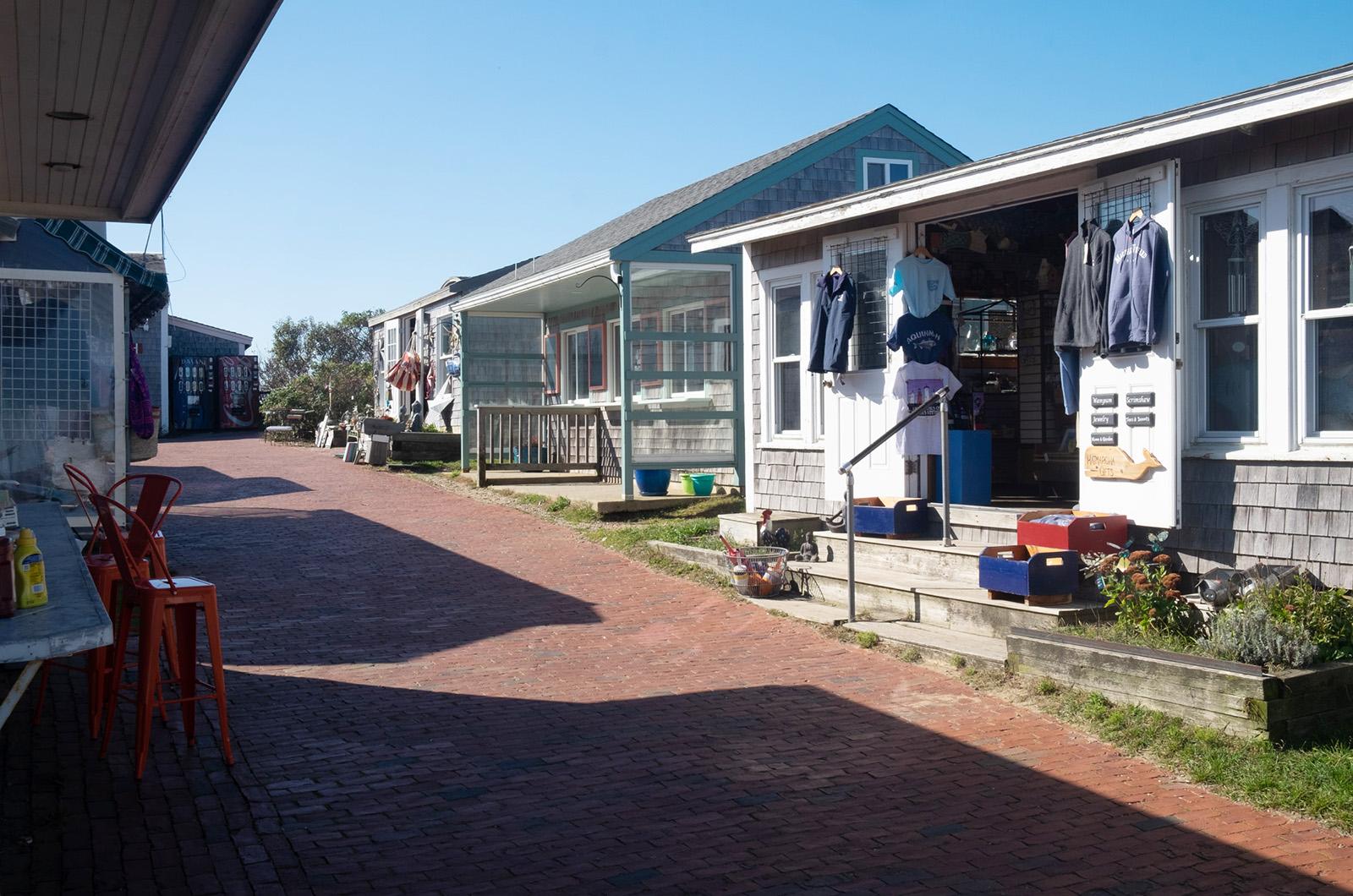
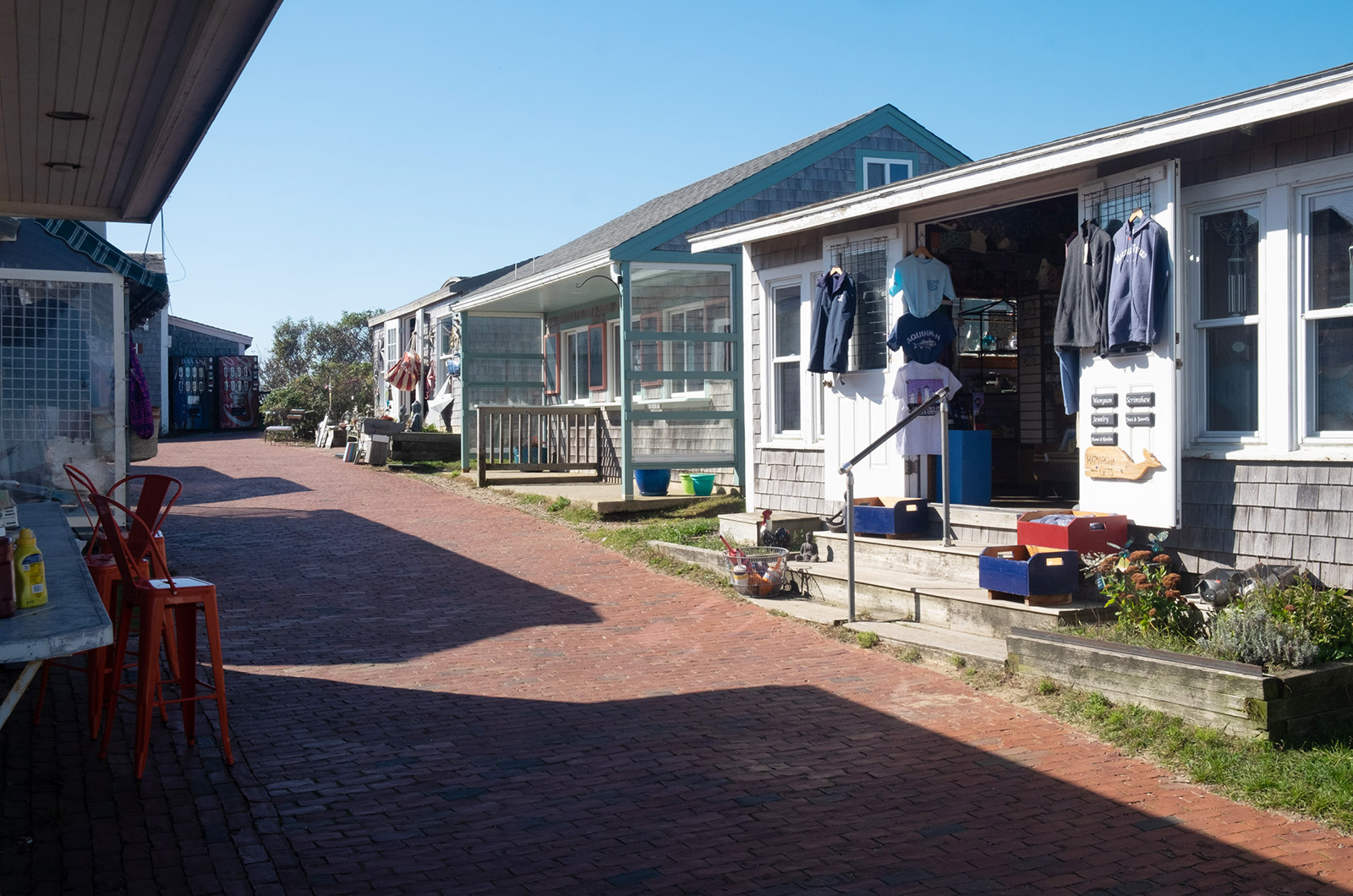
The book is also a personal one that explores issues much closer to home, in Aquinnah, where he has spent every summer since his childhood, living in his grandparents house and working in his family’s shop, Hatmarcha Gifts, atop the Gay Head Cliffs.
Nothing More Of This Land was published this week and has already been generating stellar reviews in major publications. A recent essay by Mr. Lee about the book and his research appeared in the New York Times.
In an interview with the Gazette, Mr. Lee said his initial motivation for writing the book was to discover what it meant to be Wampanoag, and to learn his people’s history, something he said was never taught in school. He started writing it nearly a decade ago, when he began his master’s degree in nonfiction writing at Columbia University.
Though the book is a memoir, Mr. Lee said the core themes — tribal sovereignty, community building and identity — invite reflection from all readers, including non-Native people.
Rather than prescribing solutions, he hopes to encourage readers to engage with questions he raises with an open mind.

Mr. Lee's debut novel was published last week.
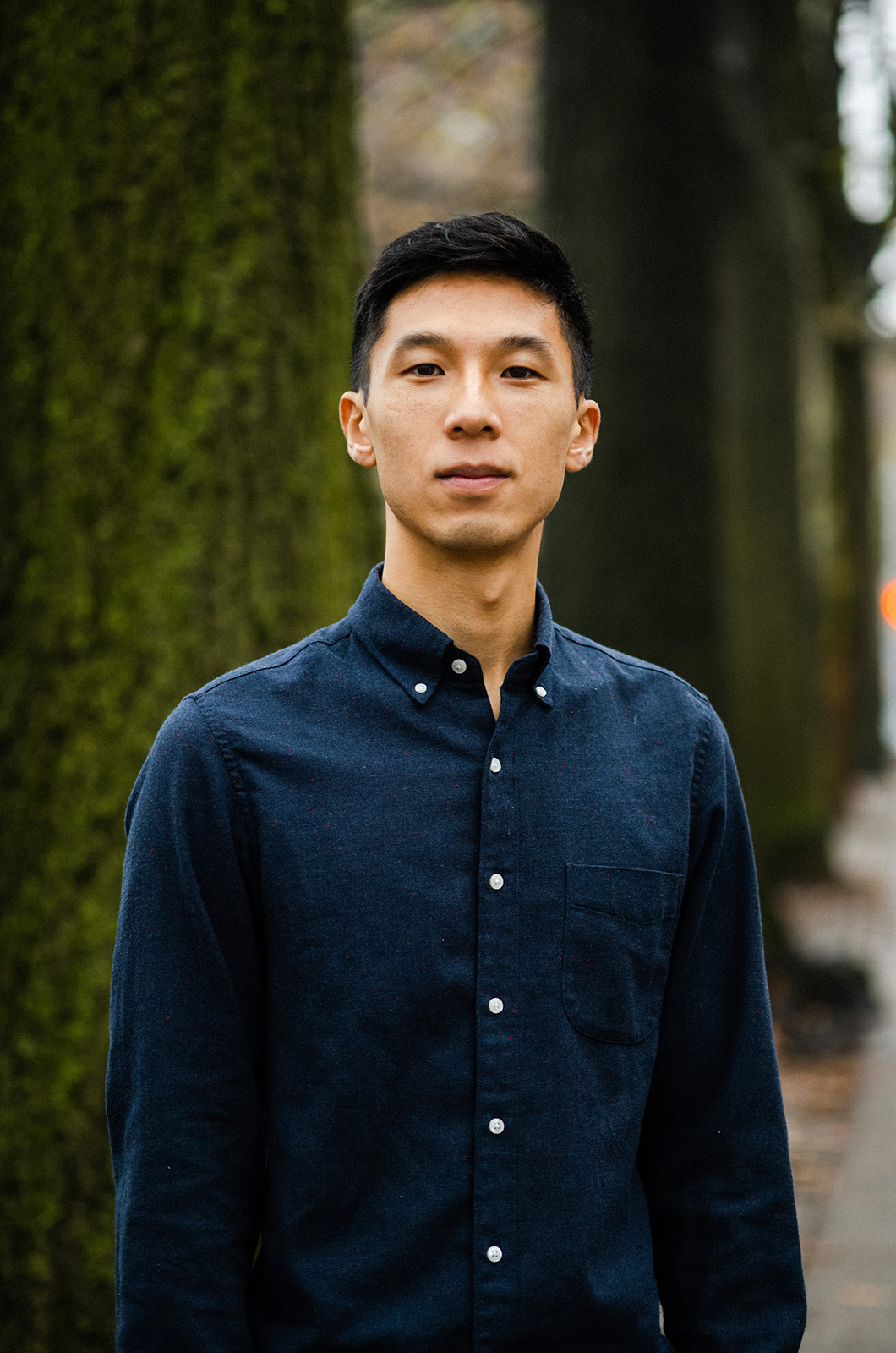
Mr. Lee's debut novel was published last week.
“I wanted to write it in a way that brings the reader along with me as we try to figure these things out together,” Mr. Lee said.
For research, he traveled to the Alaskan tundra and the Klamath River in Northern California, interviewed Cherokee Freedmen and attended the United Nations Permanent Forum on Indigenous Issues.
He also examined his personal history, growing up in Boston and working summers at his family’s Aquinnah shop, selling T-shirts, scrimshaw and wampum jewelry to tourists.
Mr. Lee wrote that he had a difficult time accessing parts of his Wampanoag identity while separated from the Island and his culture. His heritage is also tied to Japan and China, which further complicated his struggle to reconcile with his Wampanoag identity.
Tourists were even surprised to learn that he was a member of the Wampanoag Tribe of Gay Head (Aquinnah), he said, often leading to hurtful assumptions.
“Working at the store and confronting peoples’ expectations of Native people was a constant exercise in balancing the urge to push back, apathy in the face of seemingly endless stereotypes, and the ever-present knowledge that I needed these people to like me in order to make a sale,” Mr. Lee wrote.
The first few pages of the memoir recount the Wampanoag creation story, where a giant named Moshup dragged his big toe through the sand leaving a deep, water-filled trench that created Noepe, the Island known as Martha’s Vineyard. Moshup took care of the Wampanoag people, slamming whales against the Aquinnah cliffs to feed them.
After a long life, Moshup anticipated the arrival of new people who would change the trajectory of the Wampanoag people forever, and he disappeared into the fog, never to be seen again.
The parable sets the tone for the lasting effects of colonization, which Mr. Lee investigates in myriad ways.
On the Vineyard, he examines the Islandwide affordable housing crisis, which has forced many tribal members to move off-Island. He also reflects on the meaning of tribal sovereignty, sharing that while growing up it was difficult to view his tribe as truly sovereign because its influence felt so small compared to the non-Native residents, landowners and, often, the town government.
Nothing More Of This Land also amplifies tribal voices that are playing prominent roles in building and strengthening their communities, a part of the book Mr. Lee said he is particularly proud of. He commended the Aquinnah community for bringing back the Wampanoag language and continuing to prioritize the practices of their culture.
And yet, while the tribe works hard to find solutions for the community, Mr. Lee said there are also disagreements and internal tensions, including divisions over a recent attempt to build a casino as a source of revenue — a project that ultimately fell through.
The book also details an effort Mr. Lee helped lead to allow remote access to tribal council meetings for off-Island members.
“I think people see tribes as a monolith [where] everybody agrees...” he said. “For anybody who spent any time anywhere near tribal politics, you know that is absolutely not the case, that there’s always tension, there’s division, there’s fighting [and] there’s different sides.”
He said he felt it was important to shed light on these internal issues because he wanted to tell an honest and thorough story, rather than simplifying his community and its issues.
In the process of researching and writing his book, Mr. Lee said he learned to overcome his own stereotypical assumptions, and that being Native doesn’t mean just looking a certain way. He also learned that honoring the land means more than living on it.
“[Being Indigenous] is something that’s always changing and evolving” he said. “I think I’ve had to make space in my own life and talk to other people to accept that evolution and change that.”
As for his readers, he hopes the book helps them realize the Vineyard is not only serene views and coastal charm. Rather, it is filled with complexities, which in the end makes it even more interesting.
“Working in the store, it’s easy to make fun of the weird things people say,” he said. “But I think in many ways the more people learn about the Island and the tribe, the more excited they are to be there and the more special they realize the Island is.”
Joseph Lee will take part in a panel discussion on Saturday, August 2 at 12:15 p.m. The talk is entitled Out of Place in America: Marginalized Identities, and will also feature Nicholas Boggs, Danzy Senna and Martha Jones; moderated by Michele Norris. On Sunday, August 3 at 8:50 a.m., Mr. Lee will be featured at an Author Talk, in conversation with Taylor Smalley.
Comments
Driving home from Cronig's
Jane Norton ChilmarkDriving home from Cronig's recently, I heard an interview with Mr. Lee on WCAI. I was unaware of his book, and quickly it turned into an "I know I'm home and there's ice cream melting in the trunk but I just need to finish listening" moment. I look forward to reading it, and here's a link to Mindy Todd's interview: https://www.capeandislands.org/show/the-point/2025-07-17/nothing-more-o…
Add new comment