

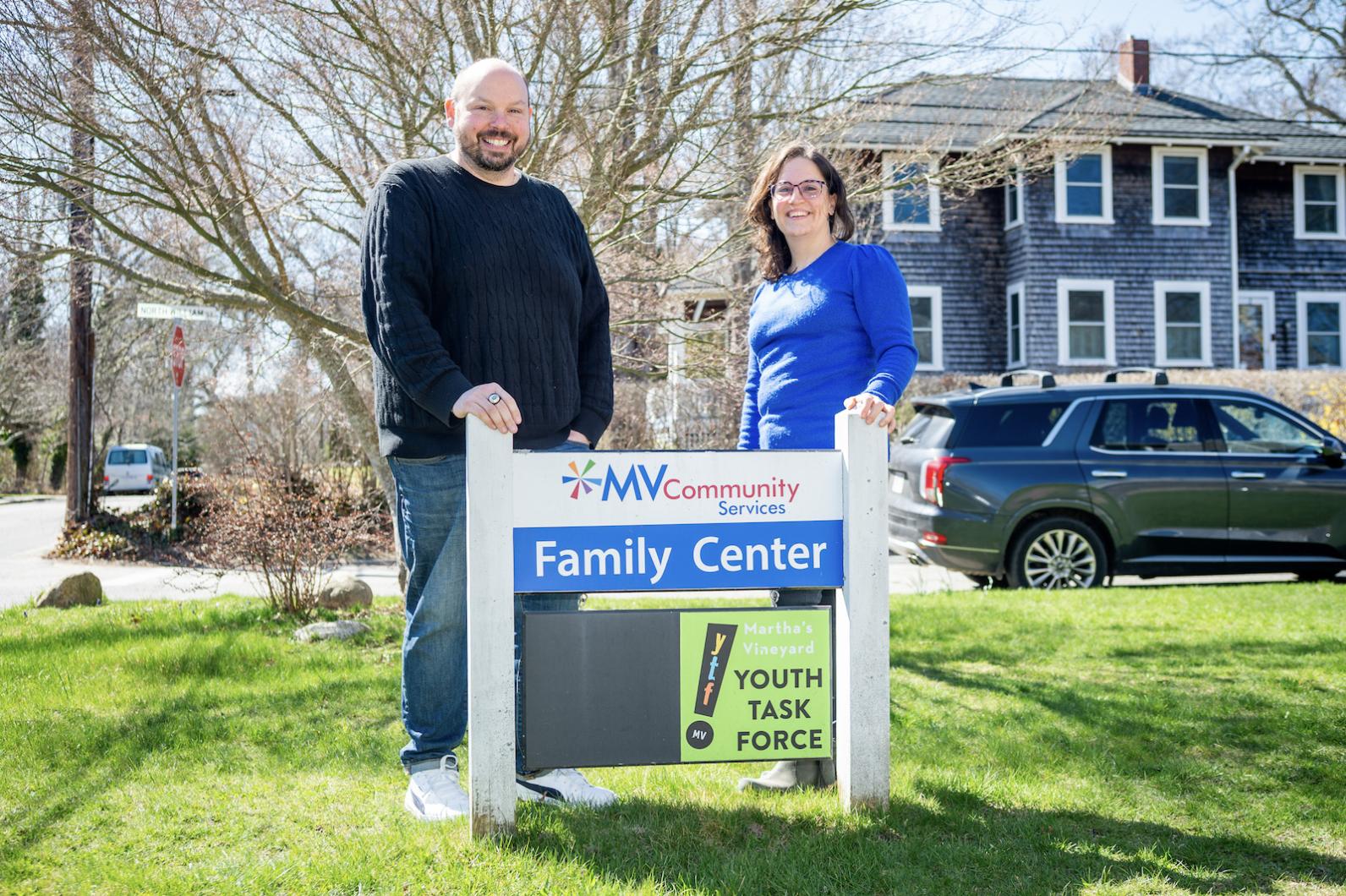
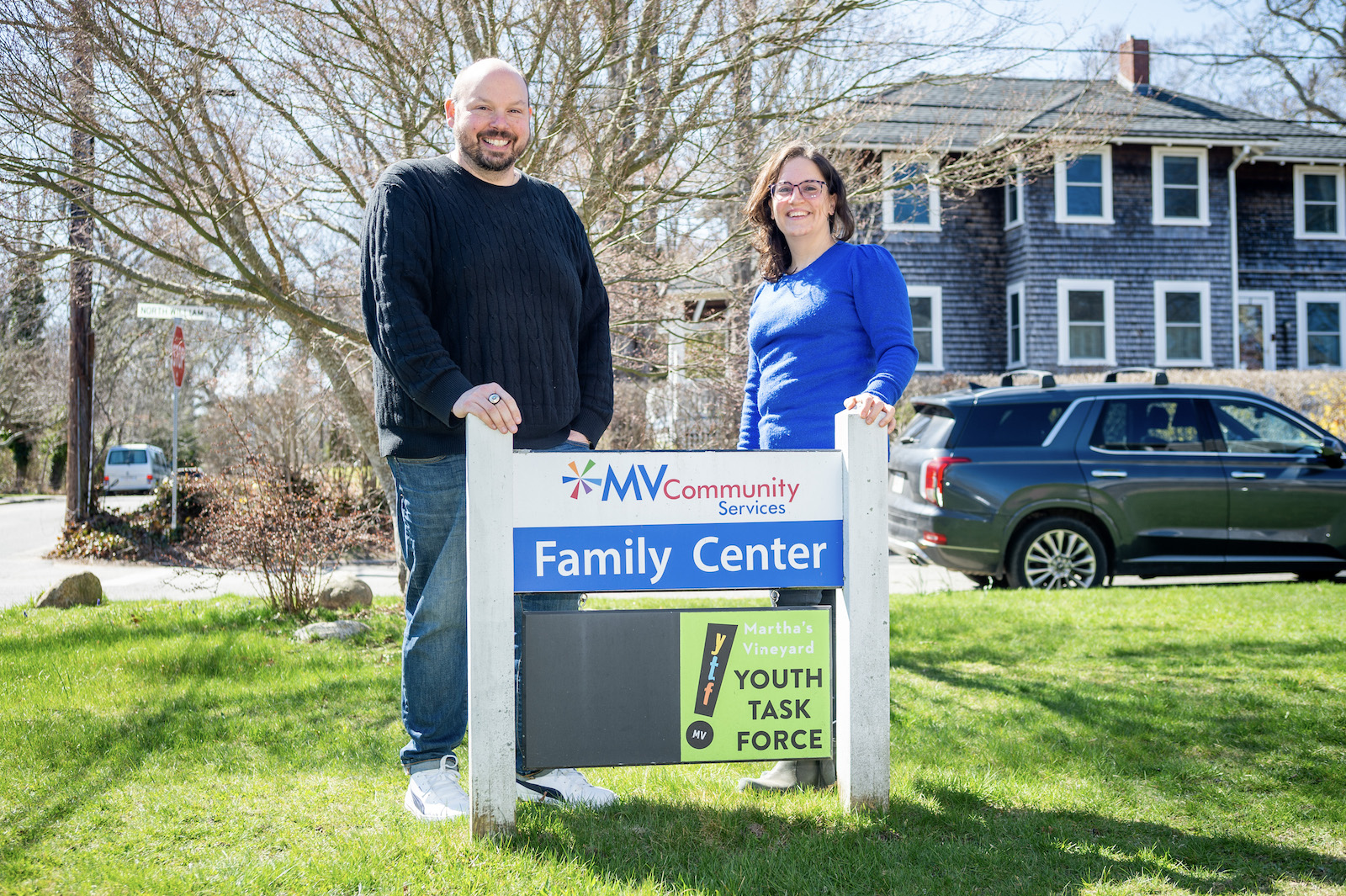
After 21 years, the Martha's Vineyard Youth Task Force continues to hone its original mission as a holistic approach to addressing substance use and other concerns for Island youth.
The Martha’s Vineyard Youth Task Force was created in 2004 to increase awareness among youth and parents about the dangers of substance abuse. Twenty-one years later the organization continues to hone its original mission as a holistic approach to addressing substance use, while also expanding into other areas of concern among Island youth.
At the forefront of its work, the task force conducts a biannual survey of middle and high schoolers to track usage of alcohol, tobacco and other drugs. The latest survey was administered this spring, with the results to be presented in September.
According to the most recent data available, from the survey conducted in 2023, high school alcohol consumption on the Island is on the decline and sits below the national average. Vape and e-cigarette usage, however, increased for middle schoolers, while decreasing for high schoolers.
Angela Knapp, the Youth Task Force’s program director, said she believes the Island’s averages are lower than national ones because of the resources available on the Island.
Maisi Garcia is helping the Youth Task Force to connect with Brazilian parents.
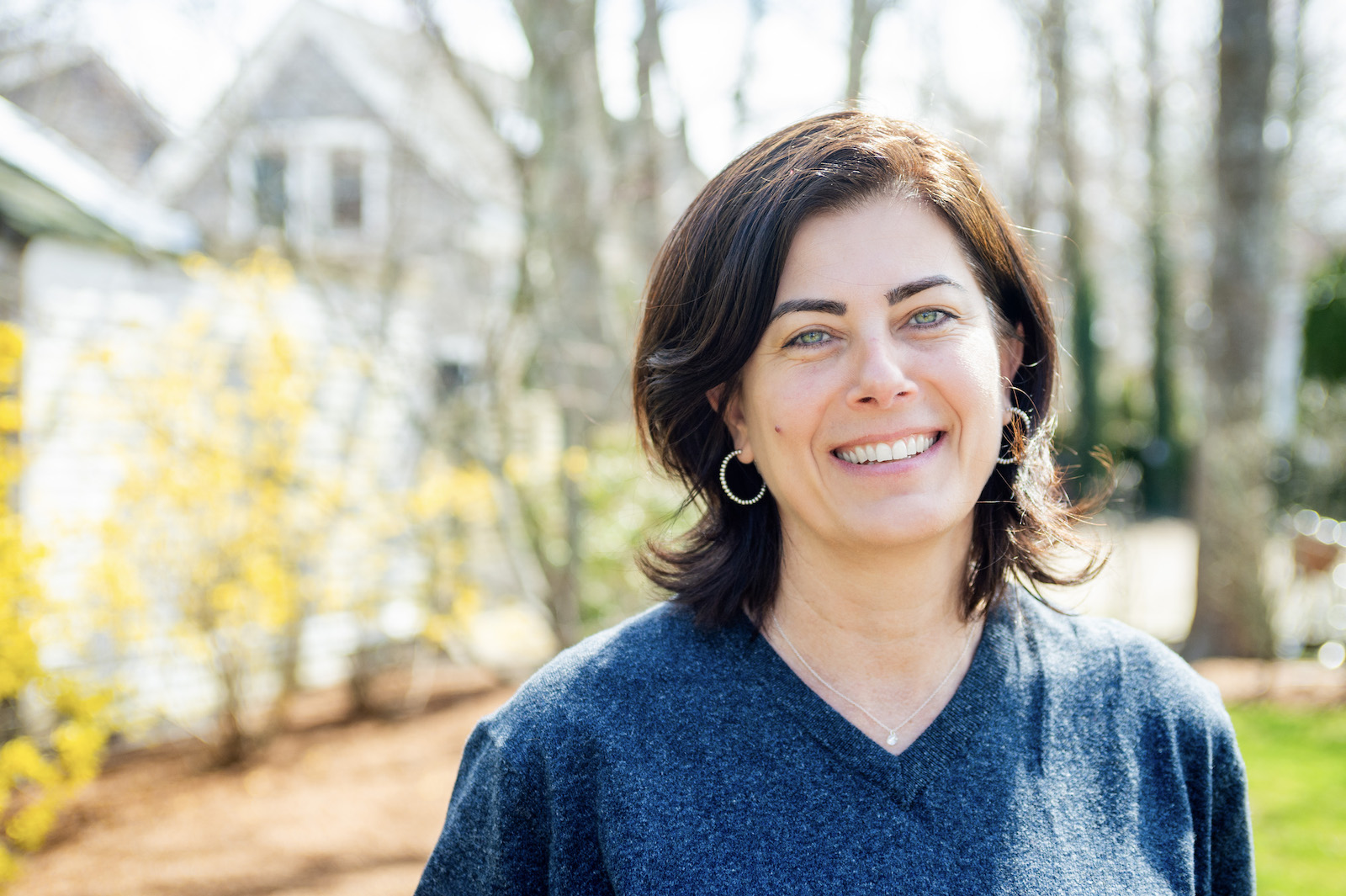
Maisi Garcia is helping the Youth Task Force to connect with Brazilian parents.
“We’re a smaller community, so the impact can be wider.... I like to think that it has to do with community resources,” she said.
This wasn’t always the case.
Mike Joyce, a former counselor at the Edgartown School, helped create the task force with Cindy Doyle and Bill Jones. He said when the group started, Island parents tended to have a casual attitude around substance abuse.
“The task force viewpoint was always, we’re not here to catch and condemn kids,” Mr. Joyce said. “What we want to do is, how do we get kids and parents to think differently about drinking and drugs.”
Ms. Doyle moved to the Island in 2000 with her husband, who worked as a substance use counselor. She said that when they went grocery shopping, teenagers would come up to speak with her husband about their problems. She said that since her own father was an addict, she was especially concerned for them. When Ms. Doyle later joined the Dukes County health council, she would always ask about what they were doing for children.
“I kept raising my hand and asking about the kids,” she said. “That was the beginning of the youth task force, and it is still going.”
Theresa Manning was hired as the group’s first program coordinator a few years after its inception. During her tenure, she worked to connect different groups across the Island and educate the community.
“I’m very proud and grateful to have been part of such a great group of community members who care so much about the kids on the Island,” Ms. Manning said.
While much of the survey has stayed the same to keep results consistent over time, there have been some adjustments over the past two decades to address new concerns, Ms. Knapp said.
Questions about vaping — which is currently the group’s greatest concern — were added in 2018. The survey now also addresses internet usage.
Survey results are also analyzed for validity, with some being thrown out due to students admitting they have been dishonest, or putting down fictional drugs and making exaggerated claims, saying they consumed more in one month than they could conceivably consume in a lifetime.
In 2023, for example, 960 middle school and high school students responded to the survey. Of those, 40 were eliminated because they failed validity checks.
The task force uses the data to guide the other work they do. Beyond conducting the biannual report, the group is working to train school staff members in the iDECIDE program, which would allow them to teach children about the neurobiology of addiction and wellness techniques. The task force has also provided education for parents on a variety of topics, including brain development and adolescent anxiety.
“Our mission is to prevent substance use disorder or substance misuse as well as risky behaviors,” Ms. Knapp said. “Risky behaviors often fall into the bucket of mental health issues.”
She added that much of the education and resources provided by the task force are done in collaboration with other Island organizations, such as the Island Wide Youth Collaborative.
Susan Mercier, who started with the task force as a concerned parent and eventually served as its interim director, said that over the years the group has helped bring a variety of organizations together.
“This Island, back in the day, tended to be very siloed,” she said. “I would do my work at X, at the Y, and this person would be at the Boys and Girls Club. We’re all doing the same work. We’re all serving the same families. Nobody was talking to each other.”
Survey results are used in a social norms campaign in schools. Posters display local statistics of alcohol and drug use to demystify how common it is. The task force has also taught courses in the past. Ms. Manning and Jamie Vanderhoop spoke to health classes about subjects such as media literacy, where they talked about product placement and advertising that target youth, including characters like Joe Camel.
“The theory that resonated the most with the kids was when they realized they weren’t making their own choices,” Ms. Manning said. “They saw that they were being sort of manipulated by advertising.... They didn’t want to become victim to the man.”
The task force has also expanded its mission over the years. For example, in 2016, the group worked to make Narcan — a medication that can be used to reverse an opioid overdose — available at pharmacies across the Island without a prescription. At the time, nearly once a week a person arrived at the Martha’s Vineyard Hospital emergency room with an opioid overdose, according to Gazette reporting at the time.
Mr. Joyce said that more recent research on the impacts on brain development due to drug use created a cultural shift. In 2023 and 2024, Ms. Manning saw that change in conversations with students.
“When I did focus groups right before I left, I was shocked at how many kids, when they said why they choose not to use, said ‘because I don’t want to hurt my brain,’” Ms. Manning said. “In 2008, you would have not heard that.”
Scott Mullin works with the Youth Task Force to bring community to LGTBQ+ youth, a group that is at a higher risk of substance abuse and mental health concerns.
“There are so many kids who are in families where they might be able to be out, but with friends they might not be able to, so it creates an insular struggle,” Mr. Mullin said. “A lot of kids will turn to substances to help them get through that.”
Mr. Mullin has worked to bring the LGBTQ+ community together on the Island and make resources from the Cape available to Island youth, including arranging a field trip for LGBTQ+ students to meet with gay-straight alliances on the Cape.
The task force has also begun to reach out to the Brazilian community to share resources and create community. Maisi Garcia, an art teacher from Brazil, is working with the group to connect Brazilian parents on the Island. While the program is similar to the task force’s existing Chat and Chowder, Ms. Garcia is working to ensure that the program suits the needs of the Brazilian community after the first attempt to create such a space was unsuccessful.
Offering a full meal instead of finger foods and coffee may make it easier for people to join after work because they won’t have to juggle going home to make dinner later, she said.
Ms. Garcia added that it is important to give parents a chance to refresh and find community, especially since many in the immigrant community have moved away from their support systems.
“Sometimes you are far away from your family and are alone here. This project is a great initiative to help parents,” she said.
Ms. Garcia hopes to continue the community outreach and host a program called Comer, Rir e Criar — eat, laugh and create — that uses art as a way to relax and create chances to reflect.
“We are learning every day with our kids. The kids are learning to be boys and girls and the parents are learning to be a parent every day,” Ms. Garcia said.
Add new comment