| Day | Max (Fº) | Min (Fº) | Inches |
|---|---|---|---|
| June 5 | 62 | 48 | 0.00 |
| June 6 | 62 | 55 | 0.02 |
| June 7 | 67 | 50 | 0.00 |
| June 8 | 71 | 50 | 0.00 |
| June 9 | 72 | 61 | 0.00 |
| June 10 | 72 | 57 | 0.00 |
| June 11 | 77 | 60 | T |


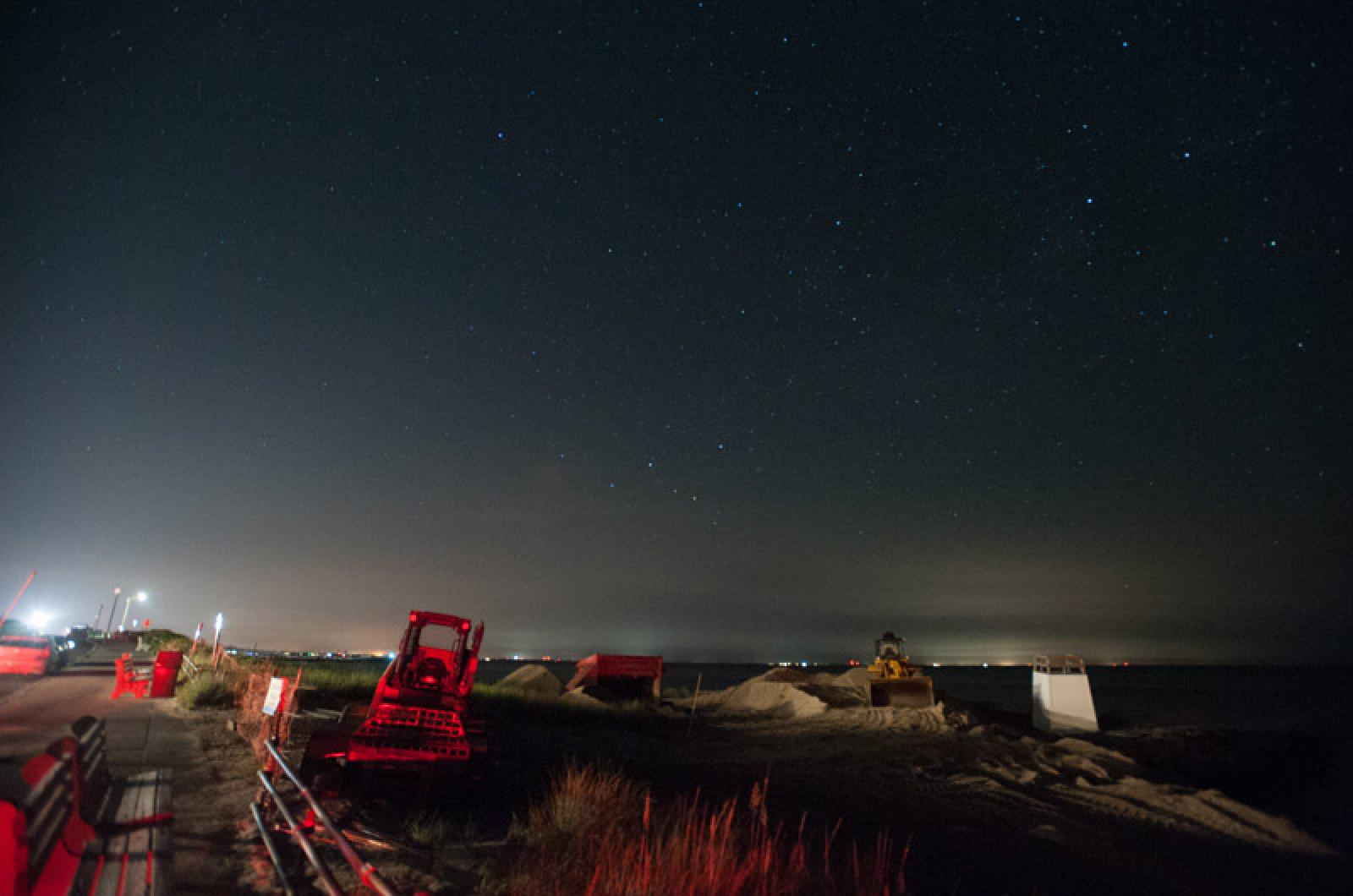
Nearly all the visible planets are viewable at night, shortly after sunset.
Nearly all the visible planets are viewable at night, shortly after sunset. Venus is brilliant, high in the western sky. Jupiter is near Venus and not as bright. The bright ringed planet Saturn is low in the southeastern sky. That is plenty in just one night.
Mercury is elusive as ever, rising just before the sun in the morning sky. So where is Mars?
Mars dominated our evening sky last year. During winter Mars faded and appeared close to the horizon. Though not visible, this Sunday, Mars is in conjunction with the sun. Mars is at the opposite side of the solar system. Mars is amid the glow of the sun, now shifting from being an evening planet to a morning planet. Mars doesn’t get much farther from the Earth than it is right now, a distance of 232 million miles.
Mars will return to our sky and be viewable as a morning planet later in the summer.
Morning Moon
A thin crescent moon hangs low in the southeastern sky before sunrise this weekend. The moon is moving through the zodiacal constellation Taurus. New Moon is on Tuesday. The moon returns to our evening sky on Thursday.
| Day | Sunrise | Sunset |
|---|---|---|
| Fri., June 12 | 5:06 | 8:16 |
| Sat., June 13 | 5:06 | 8:17 |
| Sun., June 14 | 5:06 | 8:17 |
| Mon., June 15 | 5:06 | 8:18 |
| Tues., June 16 | 5:06 | 8:18 |
| Wed., June 17 | 5:06 | 8:18 |
| Thurs., June 18 | 5:06 | 8:18 |
| Fri., June 19 | 5:06 | 8:19 |
| Day | Max (Fº) | Min (Fº) | Inches |
|---|---|---|---|
| June 5 | 62 | 48 | 0.00 |
| June 6 | 62 | 55 | 0.02 |
| June 7 | 67 | 50 | 0.00 |
| June 8 | 71 | 50 | 0.00 |
| June 9 | 72 | 61 | 0.00 |
| June 10 | 72 | 57 | 0.00 |
| June 11 | 77 | 60 | T |
Add new comment