
<p>A federal judge ruled early this month that the state of Alabama cannot interfere with casinos on tribal lands. The case has caught the attention of both sides in the dispute between the Vineyard Wampanoag tribe and the commonwealth over casino rights on the Island.</p>
A recent federal court ruling in Alabama over casino rights for Indian tribes has caught the attention of both sides in the dispute between the Vineyard Wampanoag tribe and the state over casino rights on the Island.
In a case involving the Poarch Band of Creek Indians, a federal judge ruled early this month that the state of Alabama cannot interfere with casinos on tribal lands. The Alabama tribe operates three commercial class II casinos on tribal lands. The state of Alabama sought oversight in order to enforce a public nuisance law.
In the April 10 ruling, U.S. District Judge Keith Watkins said the federal Indian Gaming Regulatory Act of 1988 supersedes Alabama state law.
“The bottom line is that even if [the tribe] is operating illegal class III gaming at the Poarch Band casinos, [IGRA] does not provide the state authority to prohibit such gaming,” Judge Watkins wrote in a 60-page opinion.
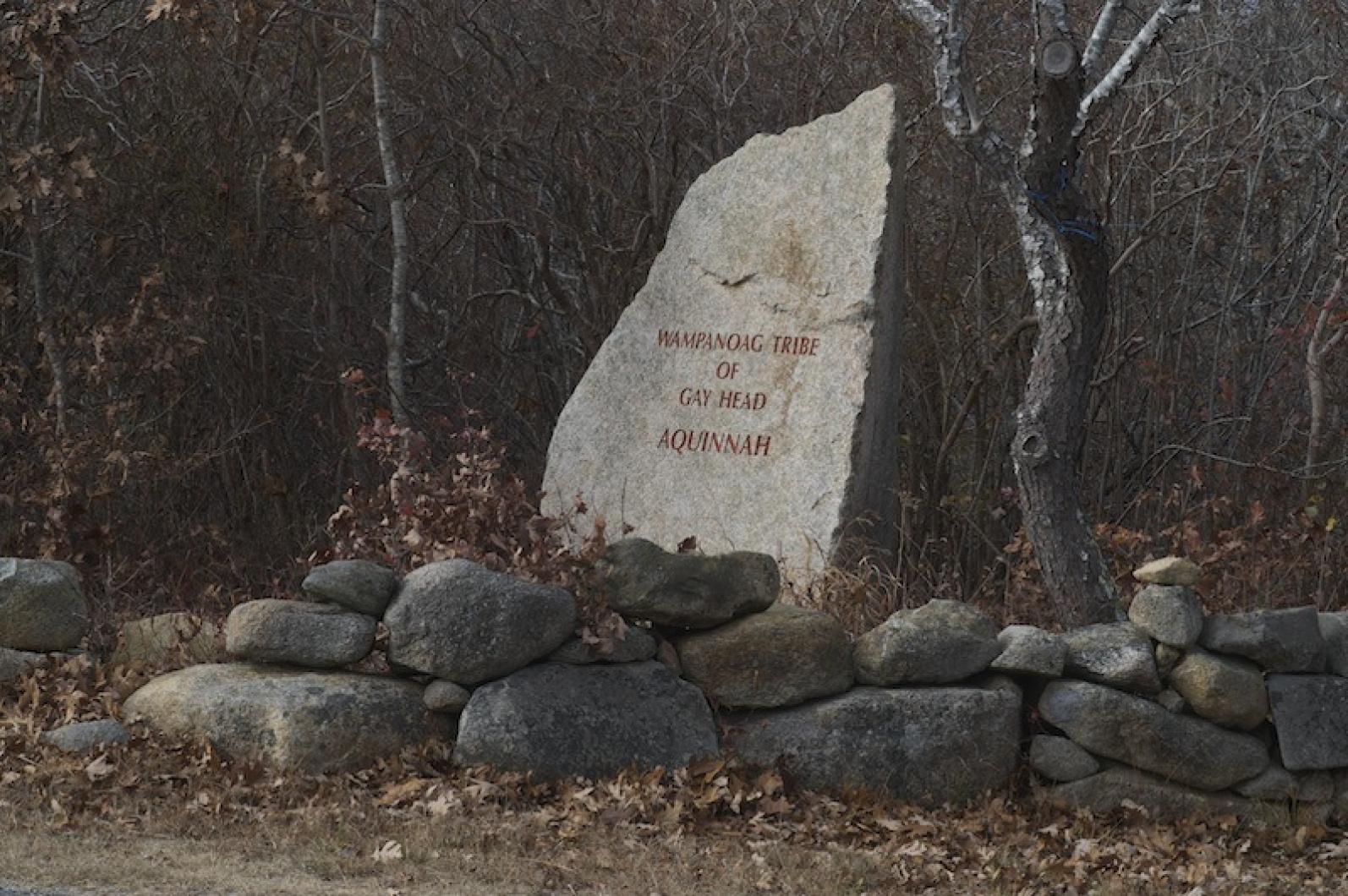
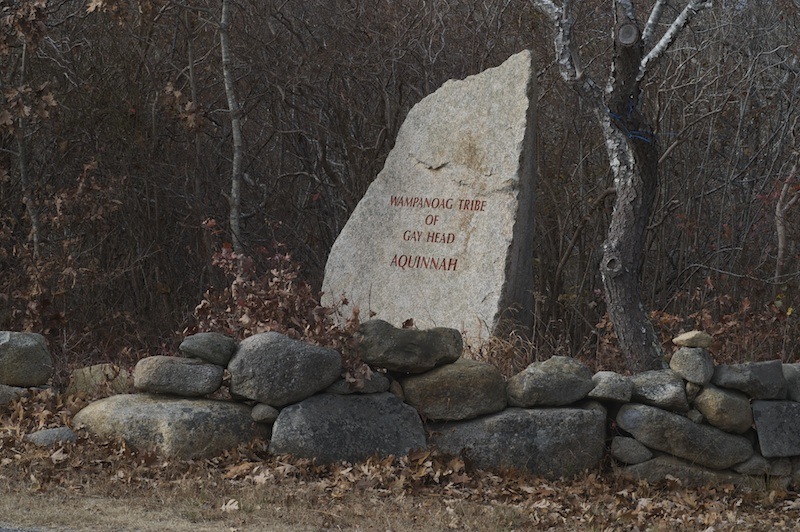
The question of whether the federal gaming act trumps state law is at issue in a lawsuit between the Wampanoag Tribe of Gay Head (Aquinnah) and the commonwealth. The dispute arose last year when the Vineyard tribe began to assert its rights to convert a community center to a casino facility on land it owns in Aquinnah.
Gov. Deval Patrick filed a lawsuit last December with the state Supreme Judicial Court to block any attempt by the Island tribe to build a gaming facility in Aquinnah. The state claims the tribe breached a 1983 land claims settlement agreement by taking steps to allow gaming in Aquinnah, including organizing a gaming commission and passing a gaming ordinance.
The town of Aquinnah is also an interested party in the case. The state and Aquinnah town counsel argue that the tribe waived its sovereignty rights in the settlement agreement which states that the tribal lands are subject to state and local laws. The sovereignty agreement later led to the tribe’s federal recognition. In 2004 the agreement was upheld by the state’s highest court in a landmark case that tested whether the tribe was bound to follow local zoning laws. The state SJC said that it was.
The tribe has taken the position that IGRA supersedes the settlement agreement, and in January the tribe removed the current case to federal court where it now sits before U.S. District Judge F. Dennis Saylor. The state has petitioned to have the case remanded back to state court.
Immediately following the Alabama ruling this month, the Vineyard tribe filed a supplementary brief in federal court.
“The district court’s analysis in this case of the preemptive impact of the Indian Gaming Regulatory Act on state laws affecting Indian gaming supports the preemption exception,” the tribe wrote in its brief. “The District Court dismissed the state’s complaint, concluding that Congress intended IGRA to preempt all state-law claims that ‘interfere with tribal governance of gaming.’ ”
The brief was filed by attorney Bruce Singal of Donoghue, Barrett and Singal in Boston.
In a response, Massachusetts Attorney General Martha Coakley said the Alabama case is irrelevant to the Vineyard tribe’s petition.
“The tribe is wrong,” Ms Coakley wrote in a state brief.
She noted that the key difference between the two cases is that while Alabama and the Poarch tribe both agreed that IGRA applied to the lawsuit, the question of whether IGRA applies at all is disputed in the Vineyard case.
“This court must determine whether IGRA applies at all and . . . whether IGRA completely preempts the commonwealth from suing to enforce a federally ratified agreement between the commonwealth and the tribe,” Ms. Coakley wrote. “Any comparison of Poarch Creek Indian Gaming to this case is unfounded.”
Comments
The article says the Poarch
Linda McGhee AlabamaThe article says the Poarch Creek operate three (3) Class III casinos in Alabama. That is not true. All three of them operate Class II bingo based electronic machines which resemble Class III slot machines but are in fact Class II games, bingo based. Come check them out and you will see for yourself.
Thanks to the reader; the
EditorThanks to the reader; the story has been corrected and updated.
I don't see much similarity
Mr. B ChilmarkI don't see much similarity here--did the Poarch Creek sign away their rights in a settlement agreement, an agreement that allowed them to get federal recognition?
Linda is 100% correct.
Nathaniel Holt New JerseyLinda is 100% correct.
"The tribe waived its
aka Martha's Vineyard"The tribe waived its sovereignty rights in the settlement agreement (of 1983) which states that the tribal lands are subject to state and local laws." I have faith that the Wompanoag Tribe signed that agreement in good faith. correct? There will be little local support for this idea, but lots of opposition. Please stop this, you are spoiling your own home and undermining the good will of your own community.
Add new comment